The win gains direct access to international funding, climate protections, and legal safety nets to preserve endangered indigenous traditions.
The Philippines secured a historic seat on the UNESCO Intangible Cultural Heritage Committee (2026–2030), winning a landslide 106 votes over contenders like South Korea. Steering global policy alongside Japan, Indonesia, and Cambodia, Manila will now directly access international funding, climate protections, and legal safety nets to safeguard vulnerable indigenous communities and preserve dying local traditions.
Direct access to the global safeguarding fund
The IGC-ICH is a strong body that manages the funding and assessment mechanics of the 2003 Heritage Convention. As a member of the official committee, the Philippines now has direct voting power in deciding which global traditions will be included in the List of Intangible Cultural Heritage in Need of Urgent Safeguarding.
Being on this list is an international emergency beacon, prompting immediate financial and technical assistance from the UNESCO Heritage Fund. This role enables the country to fast-track its own endangered practices for critical international aid, such as the complex Hudhud chants of the Ifugao, the multi-ethnic Buklog rituals of the Subanen, or the fine master-weaving techniques of Aklan piña.
Shielding vulnerable identity from the climate crisis
Through its new UNESCO seat, the Philippines will champion a critical issue: safeguarding living heritage in climate-vulnerable communities. When super-typhoons displace remote tribes, the intergenerational transmission of oral epics and traditional crafts snaps overnight as elders pass away and youth migrate.
To combat this issue, the Philippines will pioneer UNESCO capacity-building programs to digitally log, map, and legally insulate tribal arts before disasters strike—guaranteeing cultural survival even when local geography is permanently disrupted.
Financial lifelines for grassroots artisans
The National Commission for Culture and the Arts (NCCA) has been running underfunded Schools of Living Traditions (SLTs) for years—informal, community-led spaces where tribal masters teach indigenous crafts, pottery, and music directly to neighborhood youth.
In the past, heritage conservation meant preserving immobile artifacts behind glass in Manila museums. “Through this committee seat, the Philippines will be able to reorient the world’s agenda to support living, breathing transmission.
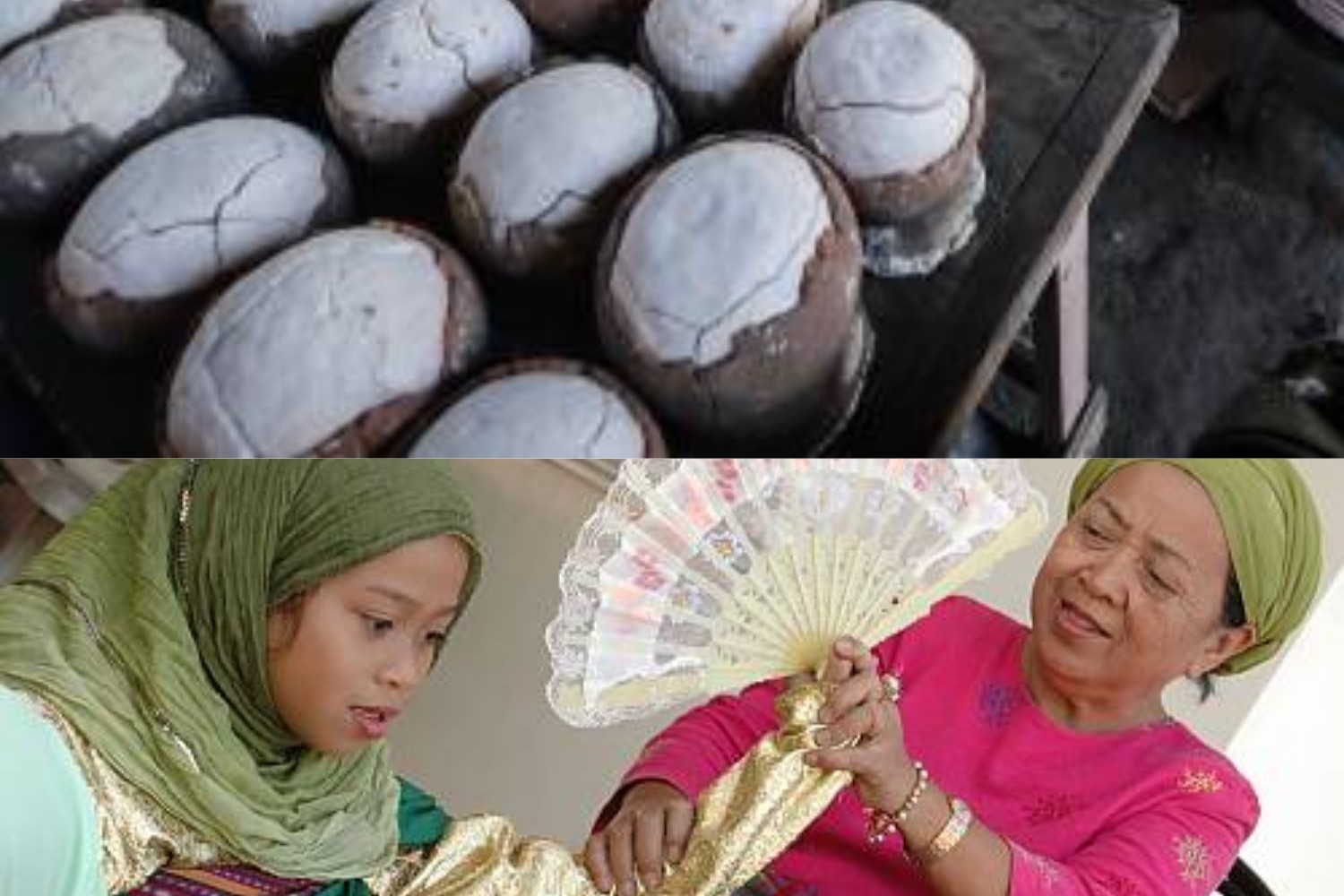
UNESCO’s structural support guarantees institutional safeguards for local SLTs and thus protects the economic rights of local creators. Tribal knowledge such as the production of Bohol’s Asin Tibuok or Maranao Darangen performances will be legally shielded from corporate exploitation or fast-fashion copying, keeping the economic benefits entirely within the indigenous communities that created them.
For a remote weaver in Aklan or a tribal elder singing centuries-old epics in the Cordilleras, this international milestone means that the global community has officially recognized their right to thrive.
READ: