Long before minimalist aesthetics took over, traditional Pinoy households were defined by a warm, sentimental collection of unique family keepsakes.
You could walk into almost any Filipino home in the 1980s and instantly recognize the era through the objects inside. Before minimalist interiors and Pinterest aesthetics took over, Filipino homes had their own unmistakable personality — warm, cluttered, sentimental, and proudly lived in.
Here are some of the most iconic items almost every Pinoy household seemed to have back then:
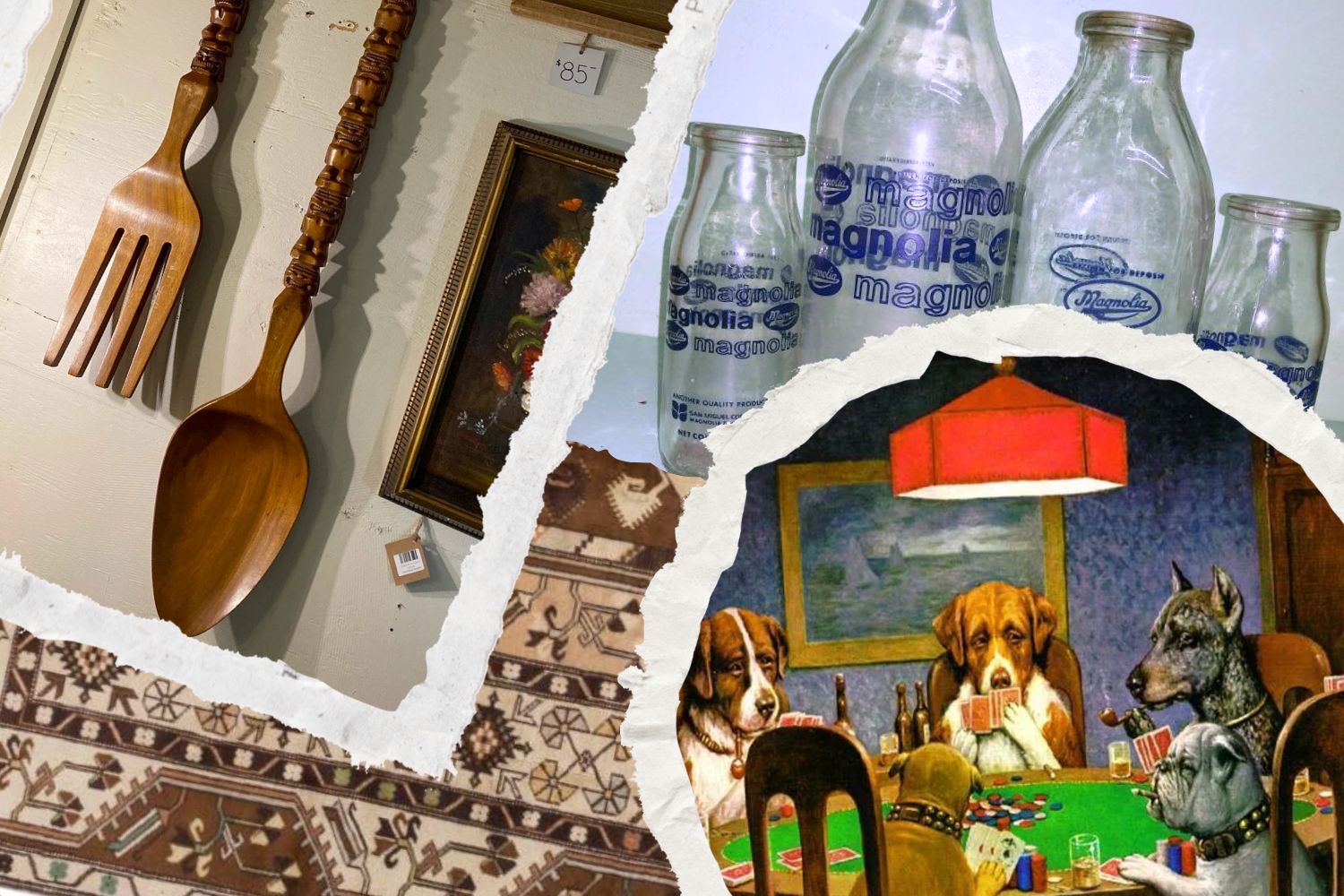
The giant wooden spoon and fork from Baguio
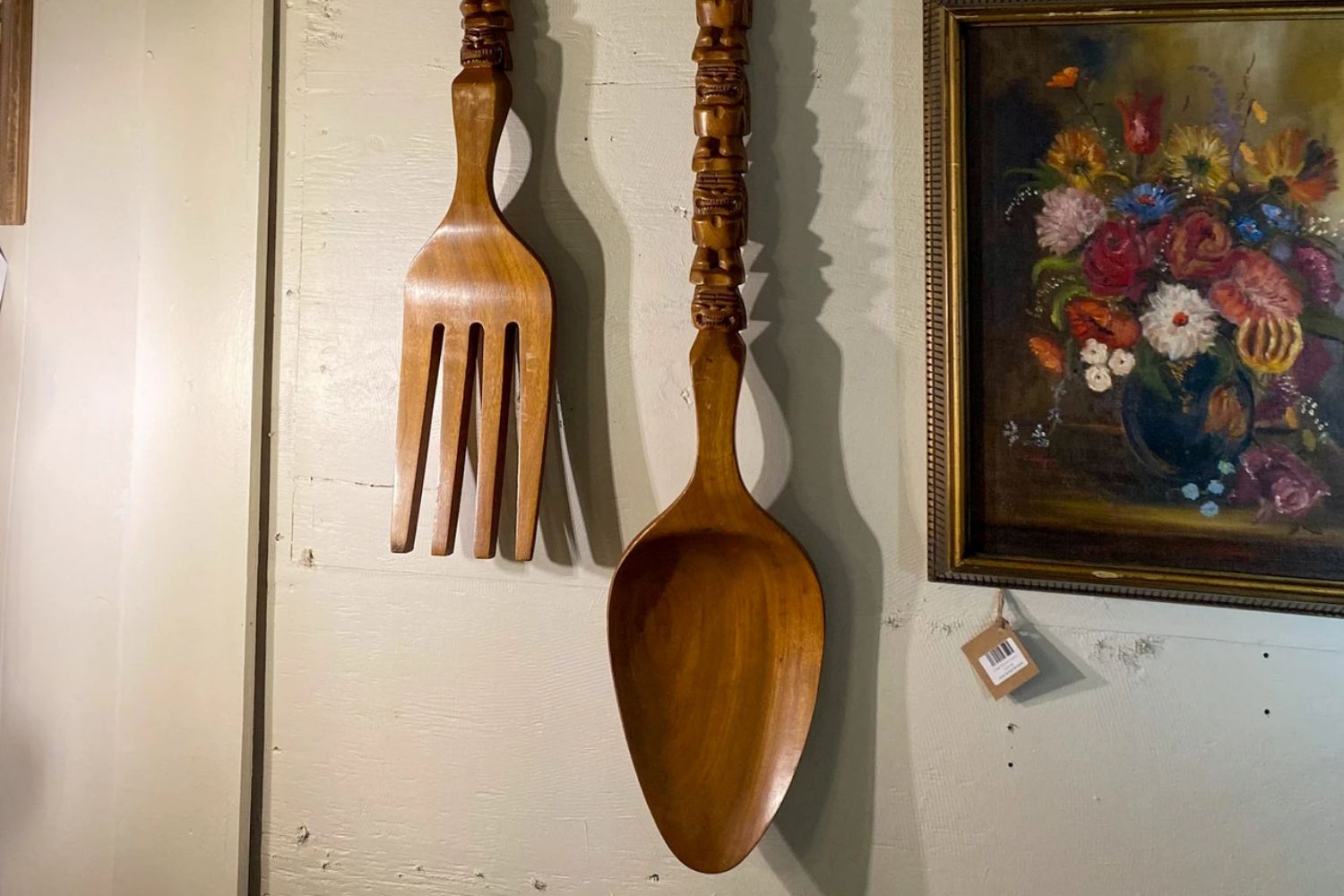
Nobody really questioned why giant utensils became décor. They simply existed as part of Filipino home culture. Usually polished dark brown with carved details, they were often mounted above the dining table like a badge of honor announcing, “Nag-Baguio kami.”
For many families, these souvenirs symbolized travel at a time when out-of-town trips were still considered a big luxury. The colder weather, Mines View photo ops, and palengke shopping all somehow ended with giant wooden cutlery becoming part of the household forever.
The “Middle East” carpet
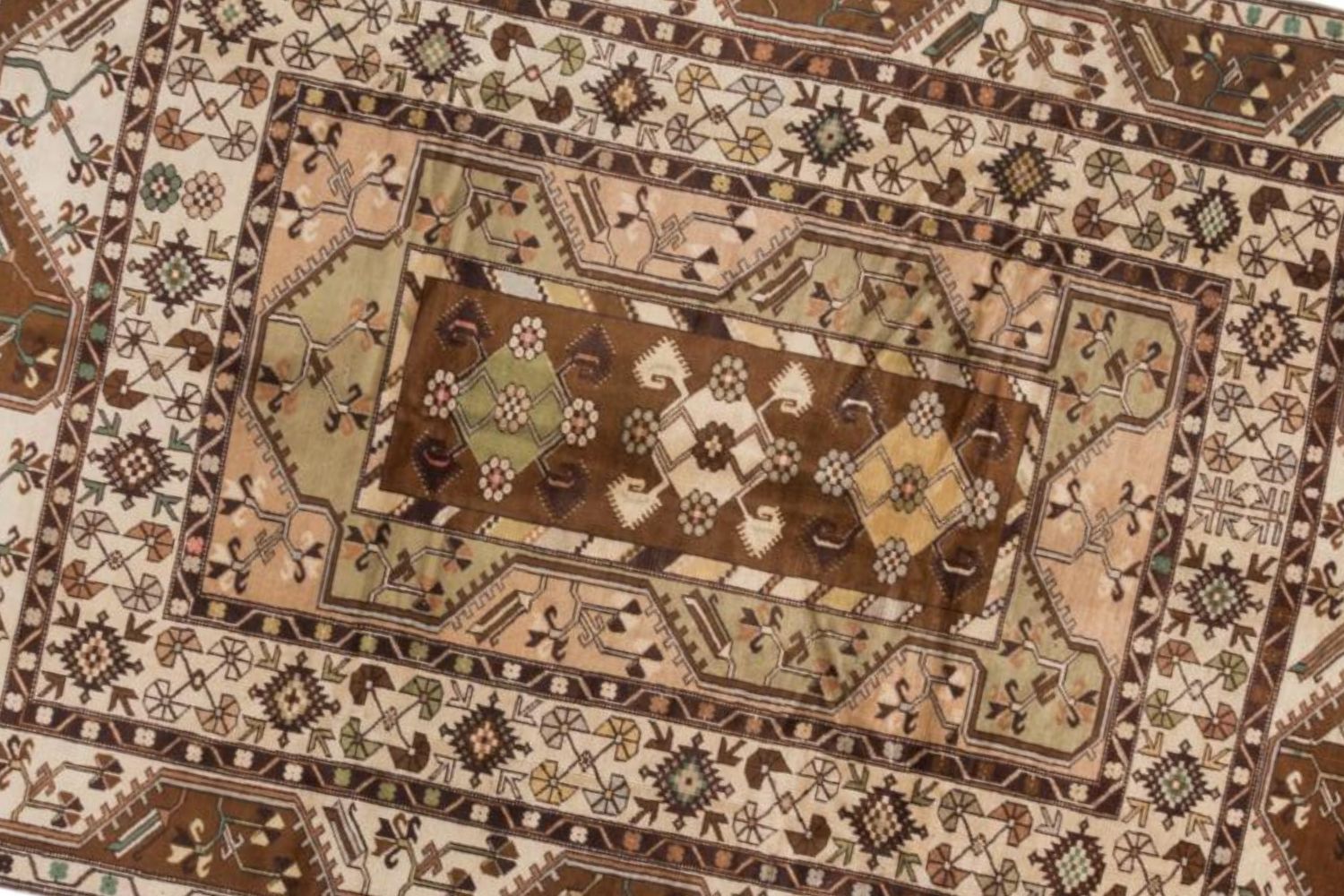
These ornate carpets looked expensive, elegant, and sosyal compared to ordinary local décor. Framed by wooden panel walls or displayed prominently above sofas, they instantly gave homes a “mayaman” feel. Children were constantly warned not to touch them, while adults proudly pointed them out to visitors as prized pasalubong from abroad.
The carpet was more than decoration. It quietly represented sacrifice. Behind every imported tapestry was usually a mother, father, aunt, or uncle spending years away from home so the family could live a little better.
The framed dogs playing poker print
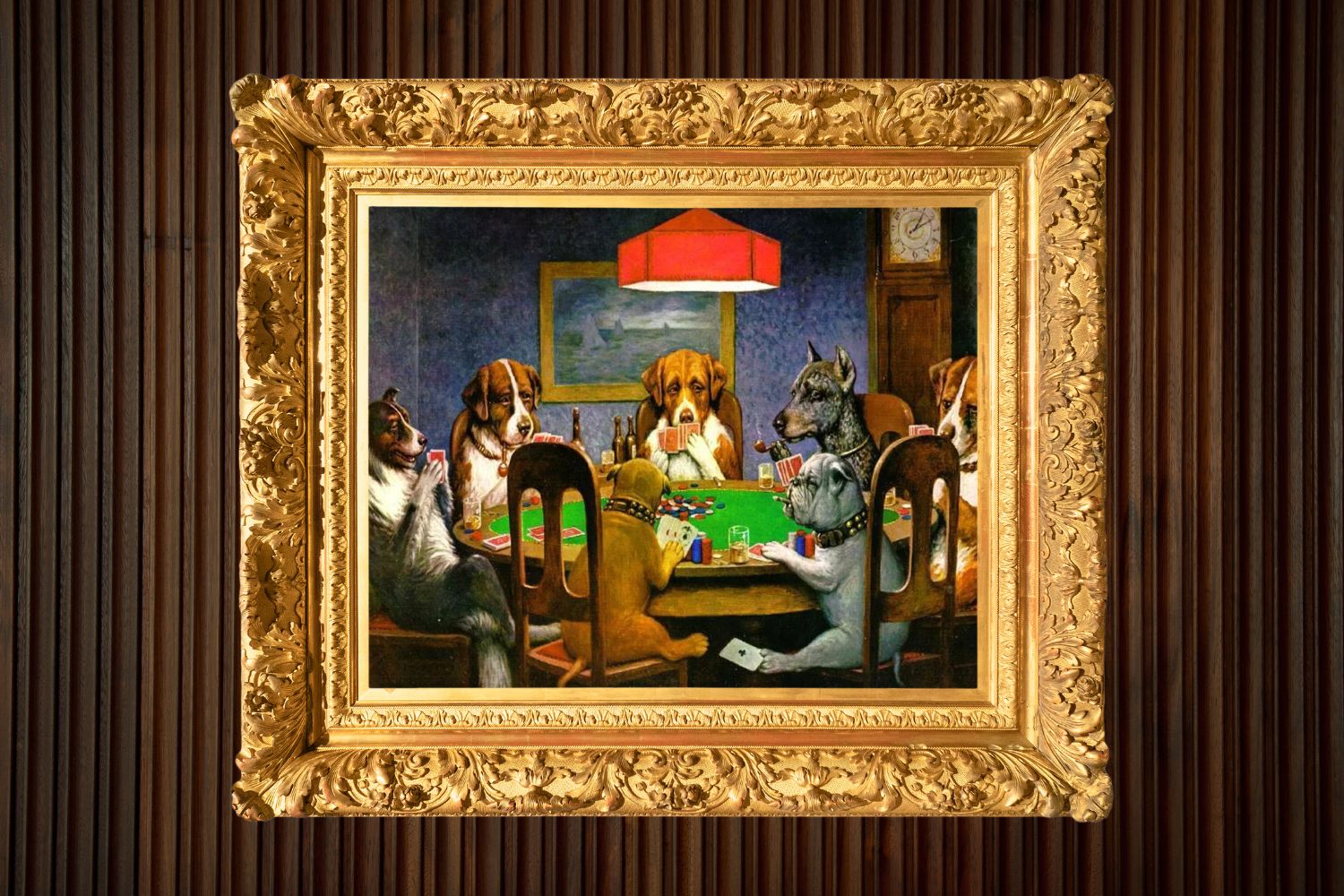
Bulldogs with cigars. Golden retrievers holding cards. Serious-looking dogs gathered around green poker tables like businessmen after office hours.
Nobody knew where the trend started, but the artwork somehow became a universal symbol of “classy” home decoration in the ’80s and ’90s. The paintings often hung near family portraits, wedding photos, or calendars from Mercury Drug and San Miguel Beer.
To children, the image was both funny and weird. To adults, it felt sophisticated.
Linoleum flooring
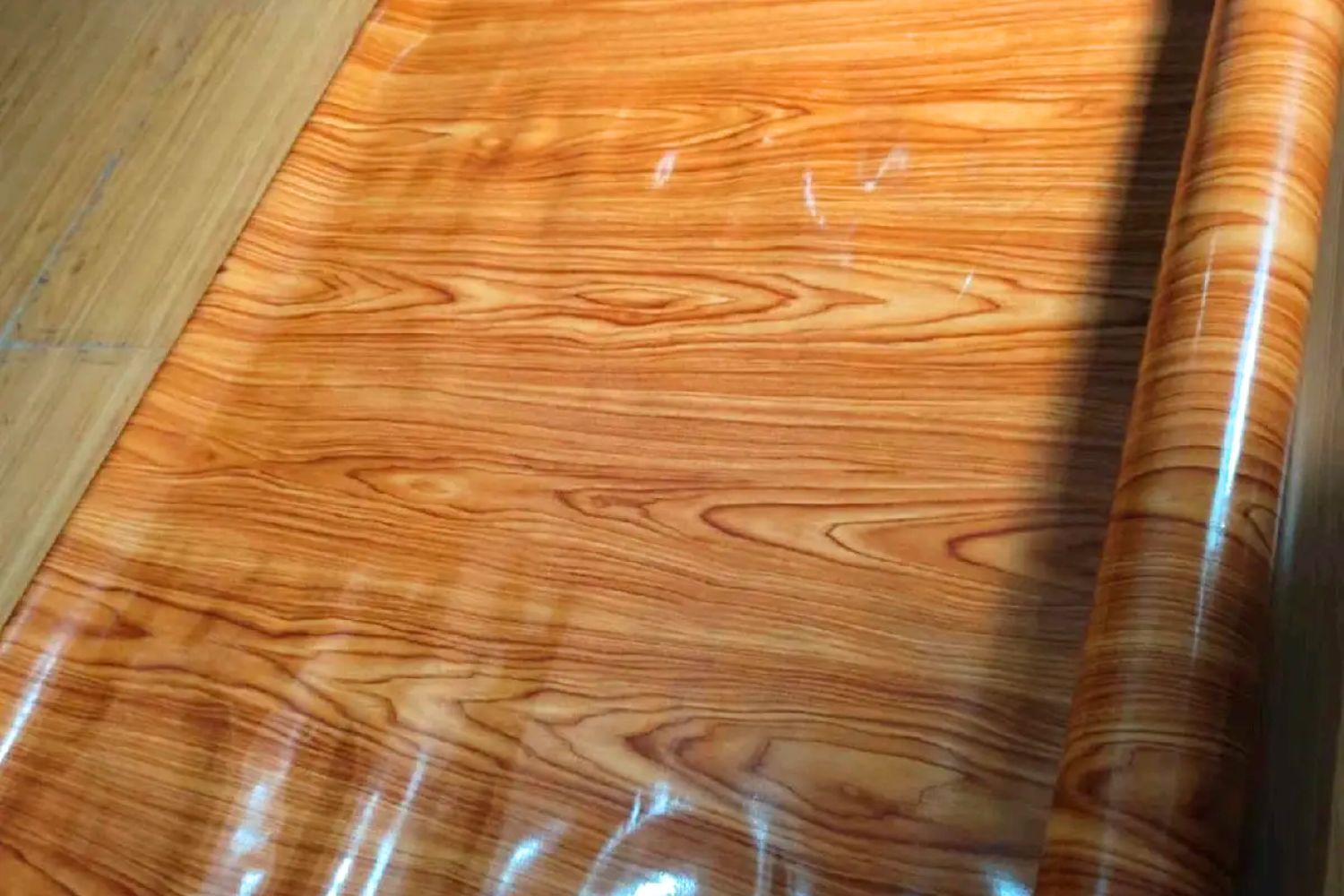
The smooth floral or fake marble patterns covered entire living rooms and bedrooms. During hot afternoons, children loved lying flat against the cool floor while watching TV or electric fans rotate slowly nearby.
Linoleum carried the sound of everyday Filipino life: tsinelas dragging across the floor, monobloc chairs scraping during handaan, cousins running around during reunions, and mothers yelling because someone spilled Royal or Toyomansi on the lino.
Over time, corners would peel upward, revealing the cement underneath. But somehow, every scratch and stain became part of the house’s history.
The reusable glass mugs and bottles
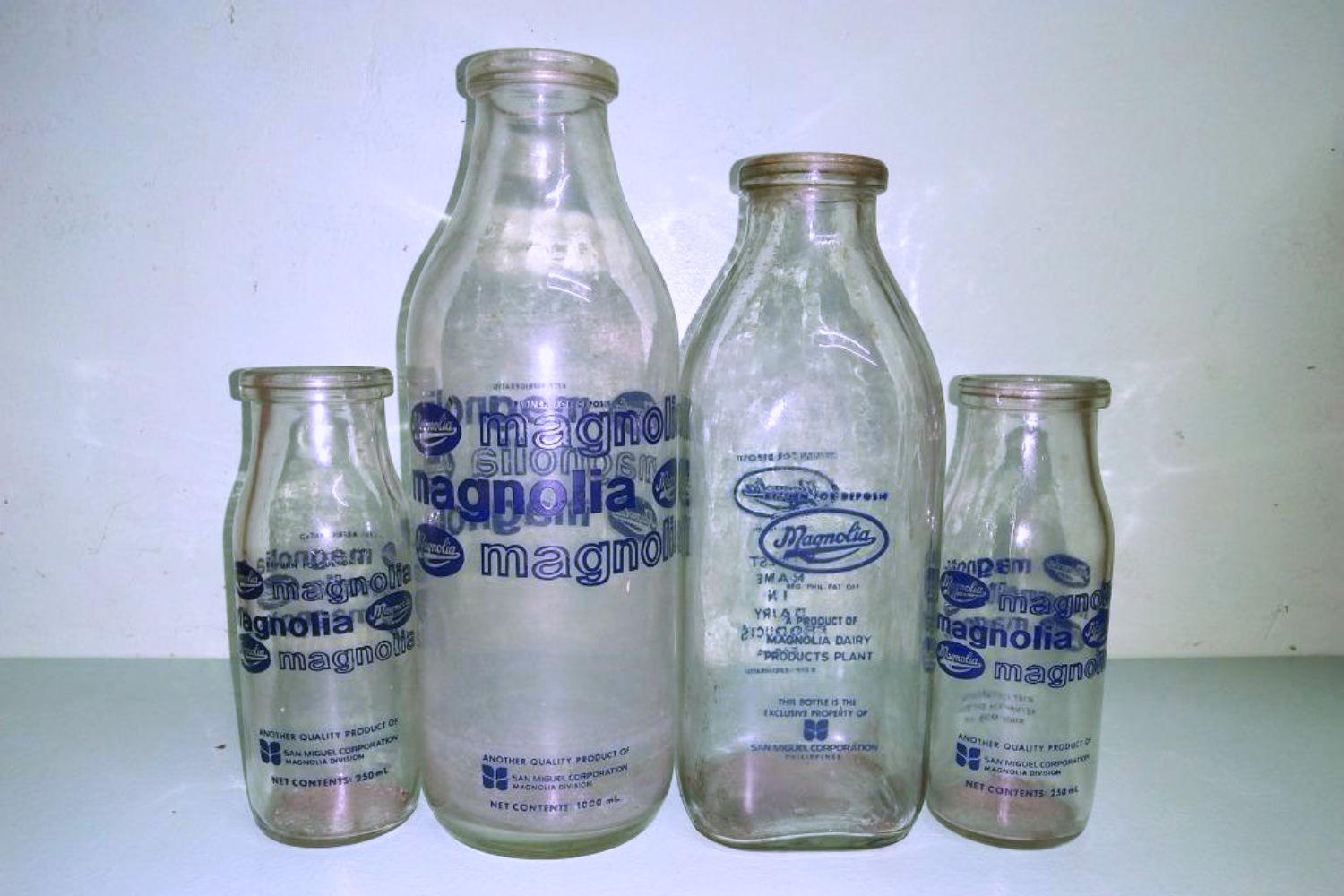
Almost every kitchen cabinet had those thick glass coffee mugs that came free with products like Nescafé or Café Puro. The logos never faded no matter how many times they were washed. These mugs became permanent fixtures in the house, used for coffee in the morning, Milo at night, or even softdrinks during birthday parties.
And inside nearly every refrigerator sat reused glass milk bottles from Magnolia filled not with milk — but with cold water.
There was something strangely satisfying about opening the fridge after playing outside all afternoon and pouring ice-cold water from those heavy glass bottles that slightly fogged from the temperature. Sometimes the bottle still smelled faintly of milk no matter how many times it had been washed.
Back then, nothing useful was thrown away immediately. Filipino homes knew how to repurpose almost everything. And somehow, those reused mugs and bottles became part of everyday family life as naturally as the refrigerator itself.
Today, many of these items are seen as outdated or overly nostalgic. But for those who grew up in Filipino homes during the ’80s, they were never just decorations.
They were memories you could literally walk around in.
These everyday items mapped out the story of family milestones and the quiet sacrifices that shaped the classic Pinoy sala.