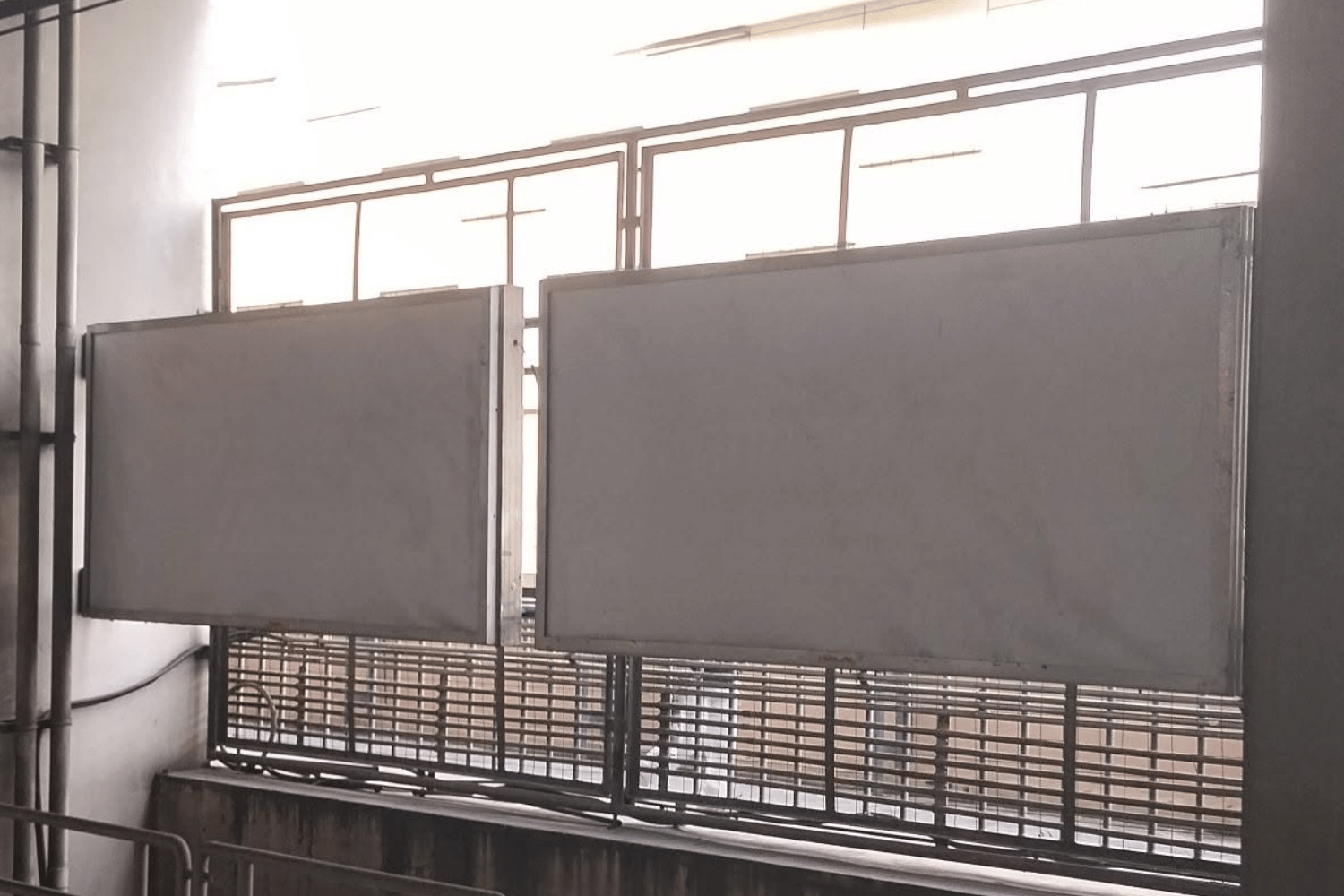
Long before the era of content creators and digital ads, these backlit panels were a common sight across MRT stations in the 2000s. They carried posters for brands, movies, events, and public service campaigns—designed to stay visible at night or even in dim station areas.
What happened to them?
A mix of legal disputes and changing advertising trends left the panels unused.
Conflicts between the MRT Development Corporation (MRTDevCo) and the Department of Transportation (DOTr)—including unpaid dues, property rights issues, and court freezes involving advertising firms—put these spaces on hold and discouraged advertisers from returning.
At the same time, companies began shifting to LED billboards and digital platforms, which offer more flexibility and wider reach than static posters inside stations.
Together, these factors left the once-prominent panels largely unused for years.
A slight comeback?
When the MRT-3’s 25-year Build-Lease-Transfer contract expired in July 2025, advertising rights reverted from MRTDevCo back to the DOTr.
Since then, a few ads have started to appear again, including one from a PAGCOR-licensed app—hinting at a slow return.
For now, DOTr is still looking for a private partner to manage MRT operations, including advertising. This reinforces why most panels remain unused, especially in less crowded stations.
A relic of the past
Hardly used today, many of these panels have become quiet reminders of an earlier era of advertising.
Commenters in the Facebook group shared how these ad boxes once made stations feel more alive. The original poster even digitally placed ads onto the blank panels in the photo.
While some imagine these panels filled again, others reveal what’s been left behind.
In a TikTok video, user @rorentsu1 showed a fading poster of the 2009 animated film “Up” in Santolan-Annapolis Station—suggesting some panels have been left untouched for over a decade.