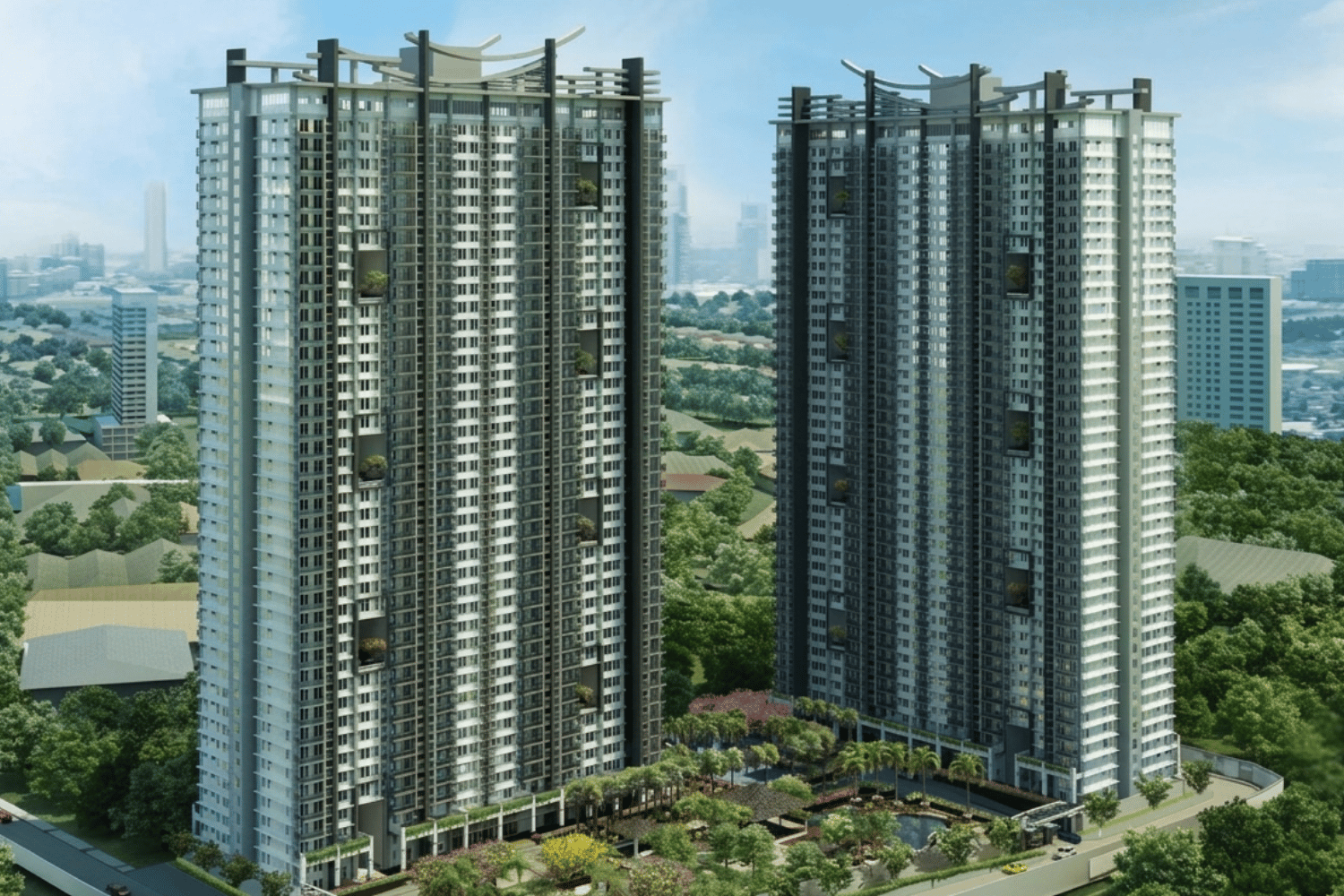
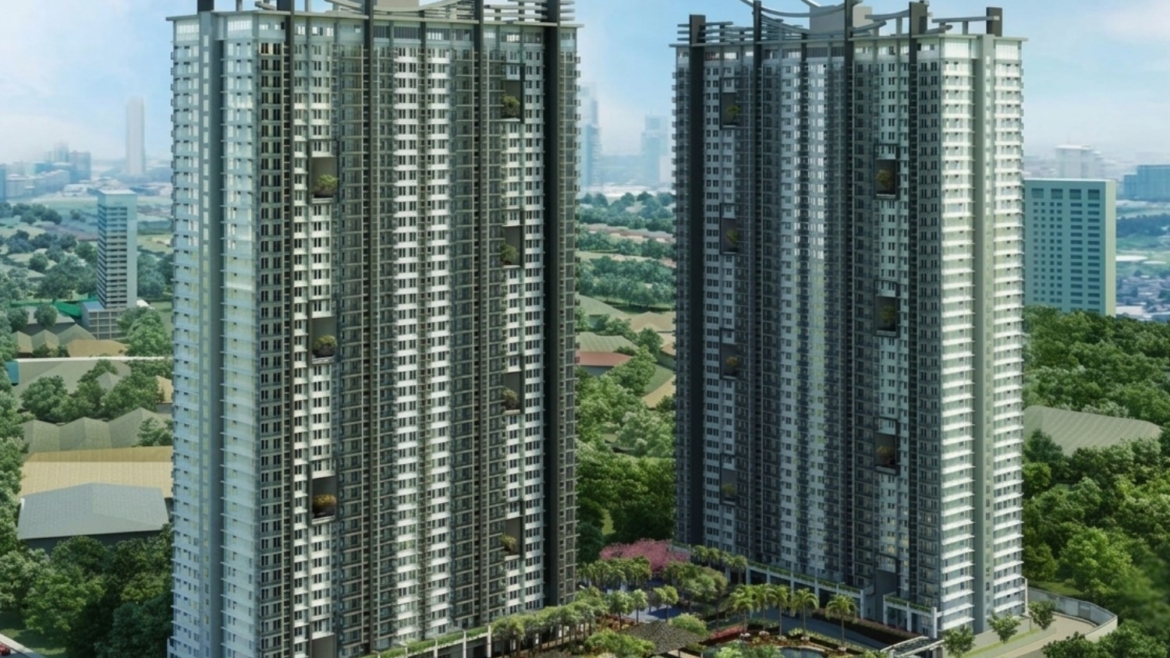
Statement responding to radar stories says questioned billings were reviewed and corrected, while the transition was planned months in advance.
DMCI Homes Property Management Corp. (DPMC) has broken its silence on the Flair Towers controversy, issuing a statement that specifically references two radar reports and seeks to clarify claims made by homeowners following the end of its property management engagement.
In the statement, DPMC said it was responding to concerns raised following radar’s earlier stories on the dispute, which detailed both the company’s departure and homeowners’ criticisms of its explanation.
DPMC said its engagement with Flair Towers Condominium Corporation (FLTCC), which formally ended on June 20, was neither sudden nor unexpected and stemmed from nearly two years of unresolved financial obligations despite what it described as repeated discussions, document submissions, negotiations, and extensions granted in good faith.
The company added that it formally issued an initial termination notice on March 26 and later extended the transition period to give FLTCC additional time to settle its obligations and prepare for turnover.
The statement comes after several homeowners challenged DPMC’s earlier explanation that unresolved financial obligations led to the split. Residents had argued that the issue was not a refusal to pay, but questions surrounding billings that allegedly lacked supporting documents. Some also raised allegations of double billing and so-called “ghost employees.”
DPMC rejected those claims, saying allegations of ghost employees were “categorically false” and stemmed from an erroneous billing entry that was later corrected following verification by both FLTCC and DPMC accounting teams.
The property manager also addressed concerns regarding alleged double billing, saying these were reviewed and rectified.
Hours after the statement was posted on Flair Towers’ official Facebook page, several individuals questioned why DPMC was still issuing announcements despite no longer serving as the condominium’s property manager.
DPMC also pushed back against the impression that residents were blindsided by the transition, saying turnover activities had been ongoing for several weeks and were intended to ensure continuity of essential condominium operations.
It likewise maintained that residents had been given advance notice of the transition, pointing to weeks of turnover activities before the formal conclusion of its engagement.
Despite the end of the agreement, DPMC said it would continue providing reasonable assistance on an as-needed basis to support the turnover process.
Residents seeking clarification on decisions made on behalf of the condominium corporation were encouraged to coordinate with their elected board representatives.
READ: