Capturing the holy grail of underwater macro photography
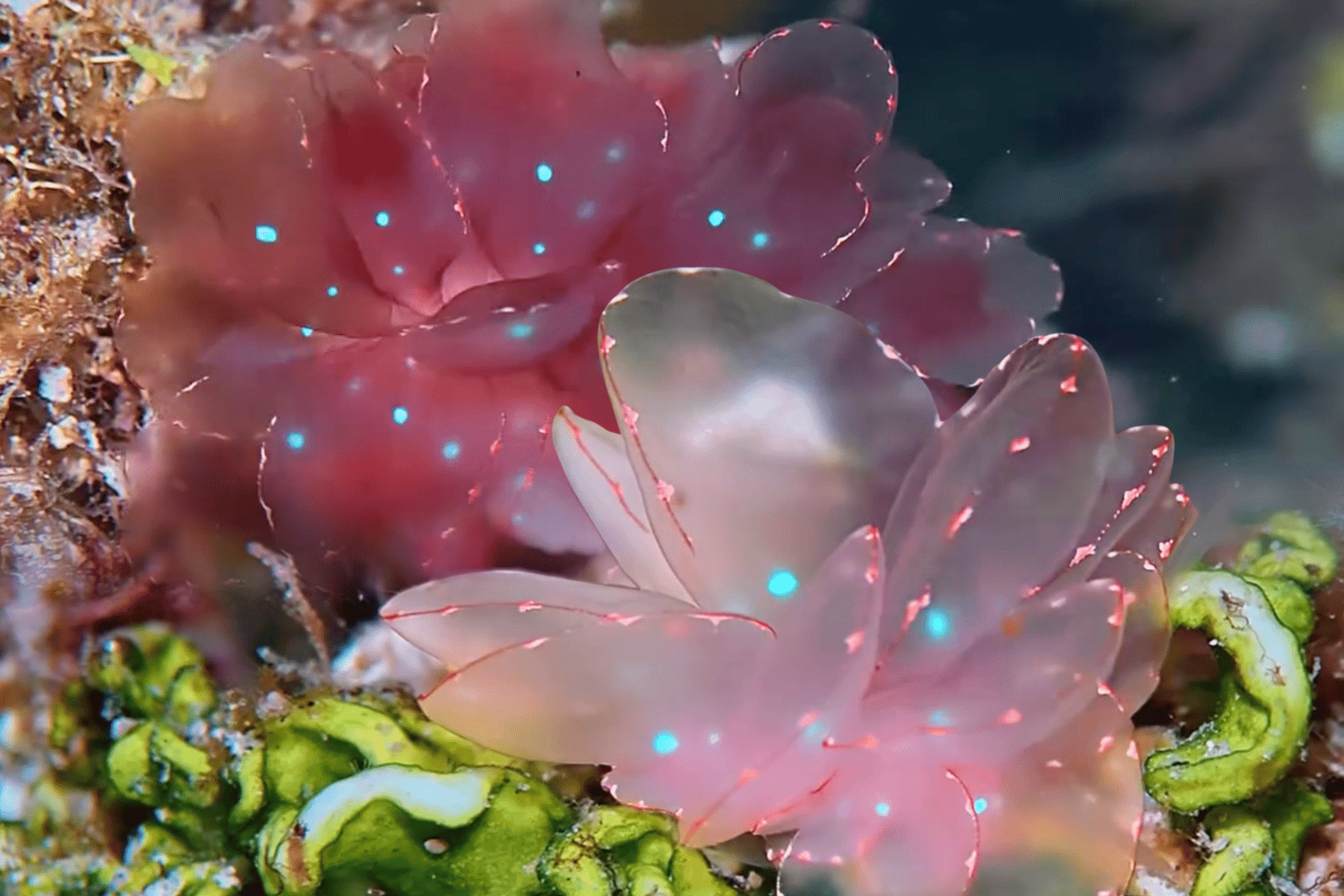
In the world of underwater macro photography, the Cyerce elegans also known as Elegant Sapsucking Slug, is the ultimate holy grail. Most divers spend their entire lives chasing a single glimpse of this creature, and for good reason: it is notoriously tiny, hyper-cryptic, and impossibly fragile.
This thumbnail-sized creature is covered in delicate, leaf-like structures called cerata. Finding one requires enduring pitch-black night conditions and combing through specific reef terrains where it perfectly camouflages against marine algae.
But its rarity isn’t its only charm—its biology reads like science fiction.
When a predator corners it, the slug voluntarily sheds its glowing, leaf-like cerata. The discarded “petals” continue to wriggle and secrete a distasteful mucus on their own, serving as a neon decoy while the main body slips into the reef shadows to regenerate later.
Unlike carnivorous sea slugs, this creature is a vegetarian that pierces algae cells to suck out the sap. Through a wild process called kleptoplasty, it literally steals the functioning chloroplasts from its food, keeping them alive inside its own transparent body to photosynthesize energy directly from the sun.
The volcanic seascape and elite Pinoy spotters
To capture a creature this elusive, you need a highly specific environment. Photographers flock to the Philippine macro capitals—Anilao, Dauin, Romblon, and rising night havens like Siquijor. The nutrient-dense, black volcanic sand slopes create a dramatic, high-contrast studio backdrop that makes the neon, internal lightning patterns of the Cyerce pop flawlessly on camera sensors.
But even with a ₱500,000 macro rig, you are completely blind without the real secret weapon: Filipino dive guides. These elite local spotters possess legendary, eagle-eyed vision. They can locate a shifting, translucent millimeter-long organism swaying in the dark currents, pointing it out perfectly so creators can execute a career-defining shot.
So it’s no wonder when Kay Blue captured this magnificent sea creatures five times in one trip, Kay writes, “Honestly… I wish I could get my 2nd nationality as a Filipino so I could live in The Philippines for good; then I could sight this magnificent, extraordinary, beyond-the-craziest-imagination life form much more often!!!”
If you want to witness the rarest, most poetic details the ocean has to hide, you look down at the Philippine seabed.
READ: