The growing reliance on free community-led initiatives highlights a large gap in the Philippine healthcare system.
UGAT SandaLine is open from 5 PM to 8 PM.
In the Philippines, seeking professional help for mental health is often seen as a luxury.
With licensed psychologists and clinical therapy sessions costing anywhere from ₱1,500 to ₱3,500 per hour, the average Filipino cannot afford the help they need to process heavier days.
This economic barrier has given rise to a quiet, yet accessible solution: “emotional first aid” via Facebook Messenger.
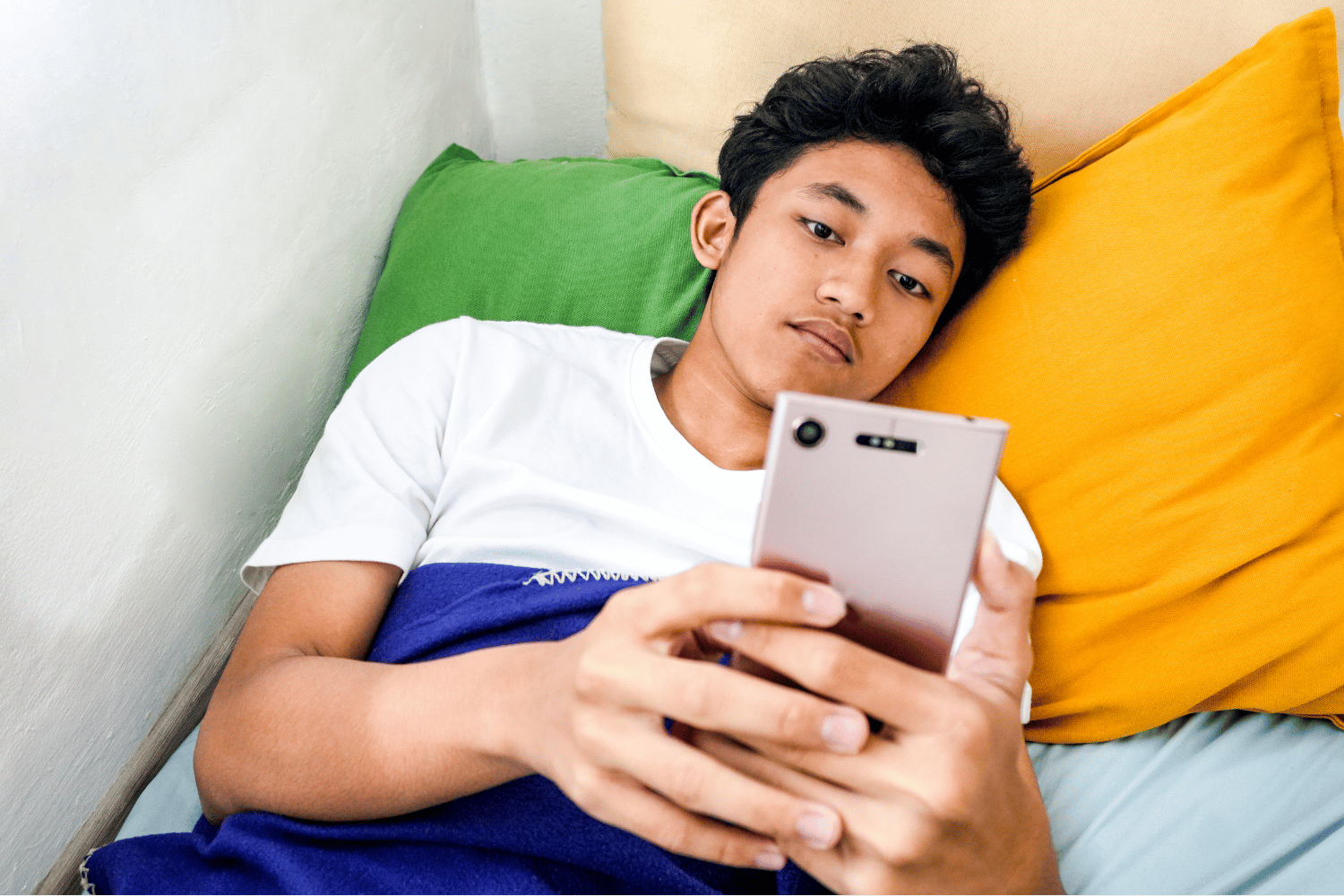
Recently, a Threads post shared the services of UGAT SandaLine, the official anonymous helpline of UGAT Foundation Inc. The initiative provides free, chat-based psychoemotional support sessions daily from 5 PM to 8 PM on a first-come, first-served basis for those in need.
The user also urged others to share similar resources, emphasizing that sometimes, people just need someone to listen without judgment.
But the growing reliance on these free community-led initiatives points to a much larger systemic gap in the country’s healthcare system.
According to the Department of Health, over 3.6 million Filipinos currently suffer from mental health conditions. However, expenditures for mental health have remained largely stagnant, leaving the country with a severe shortage of accessible healthcare.
Because of these conditions, experts note that access to formal care remains severely limited for the majority of the working class. The Philippine Mental Health Association has flagged this accessibility issue as a rising crisis, noting that it requires a united effort across all sectors to solve.
And while it is important to celebrate alternative lifelines, it is vital to draw a clear medical distinction.
As the original Threads poster noted, these pages provide peer counseling—a safe space to vent and learn coping strategies. It is a crucial form of emotional support, but it is not a replacement for clinical psychotherapy, which involves licensed professionals diagnosing and treating trauma or severe psychological disorders.
Still, when the formal healthcare system is priced out of reach, emotional first aid becomes an absolute necessity.
Until mental healthcare becomes truly accessible to the average Filipino, citizens will continue to find other means of surviving, whether it be directly addressing structural gaps or one Messenger chat at a time.
Annie Azucena is a writer who keeps her doors open for any opportunity. While she is an avid fan of searching for stories in everything, once in a while she delves into the world of cats, video games and new snack places.