A plant that has become a household name in the Philippines for relieving coughs may not be what Filipinos have long believed it to be.
A new study by researchers from the University of the Philippines Los Baños has found that the Philippine lagundi—widely used in herbal medicines and traditional remedies for cough and other respiratory ailments—is not a single species of Vitex negundo as previously thought.
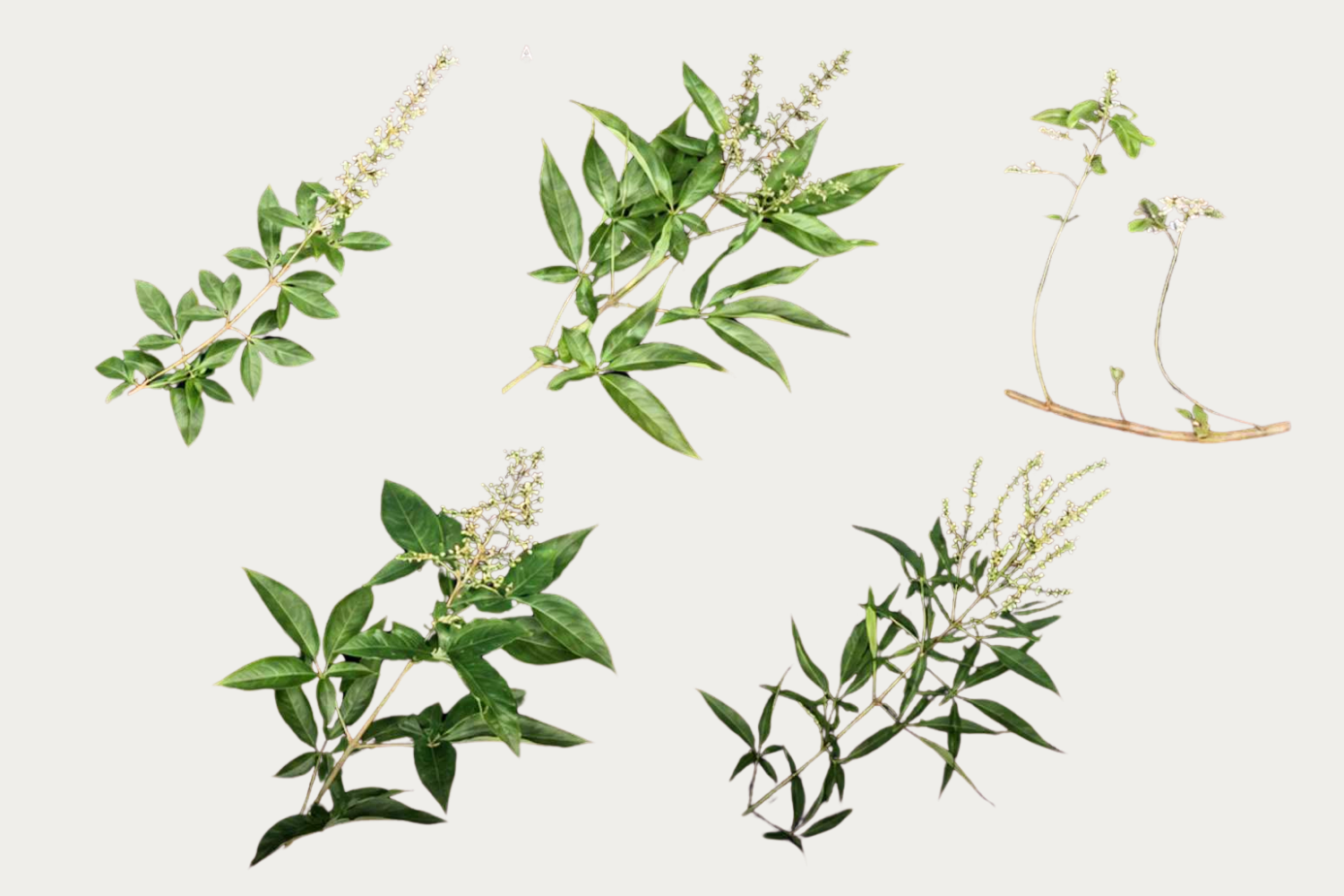
Instead, the researchers discovered that Philippine lagundi actually belongs to five distinct species within the Vitex trifolia complex, resolving a long-standing taxonomic confusion surrounding one of the country’s most popular medicinal plants.
Led by Dr. Renerio P. Gentallan Jr. of the Institute of Crop Science, College of Agriculture and Food Science, UPLB, the study showed that the true Vitex negundo is not naturally distributed in the Philippines. Rather, the local plants commonly called lagundi belong to Vitex arvensis, V. bicolor, V. elmeri, V. rotundifolia, and V. trifolia.
The researchers also identified Vitex arvensis as a newly recognized endemic Philippine lagundi species that is now predominantly cultivated in the country. They further proposed restoring Vitex elmeri as a distinct endemic species because of its unique characteristics.
One of the easiest ways to distinguish the plants is through their leaves. Philippine lagundi species have smooth-edged leaflets, while the true Vitex negundo develops toothed or serrated leaf margins when mature.
The researchers said accurate identification is important because lagundi is extensively used in medicinal plant research, conservation programs, and practical herbal applications. Several of the identified species are endemic to the Philippines, highlighting the need to protect and sustainably manage them.
The findings came from the DOST-PCAARRD-funded project “Development, Genotyping, and Preliminary Evaluation of Genetically Stable Planting Materials of Selected Medicinal Plants,” which also studied other widely used Philippine medicinal plants such as turmeric, sambong, tsaang gubat, niyog-niyogan, akapulko, serpentina, roselle, and pansit-pansitan.
The research was published in the journal PhytoKeys and later earned the Best Oral Presentation award during the International Conference on Advances in Medicinal & Aromatic Plant Research in Lucknow, India.
The full study is available at: https://f.mtr.cool/qokakgwpvq
READ: