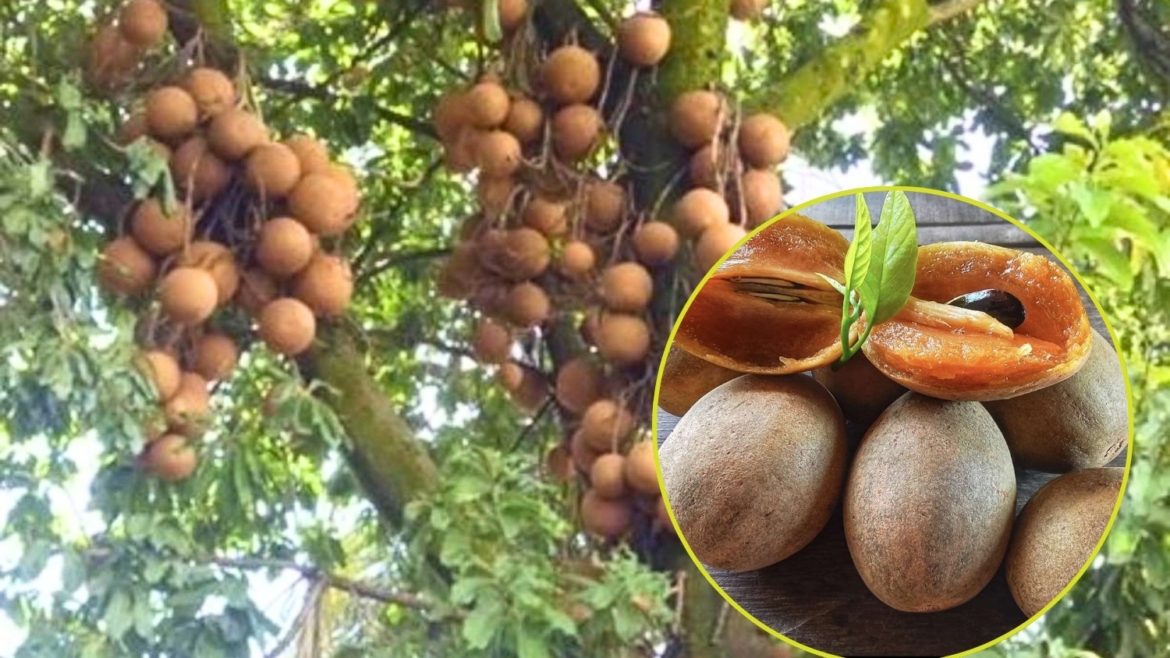
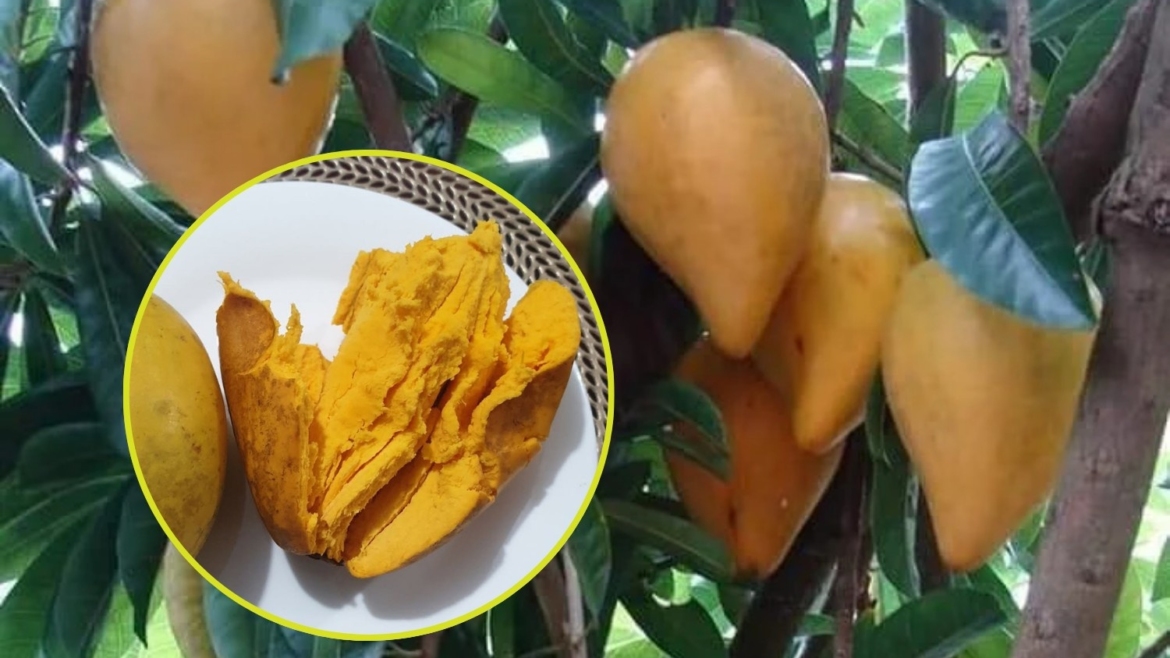
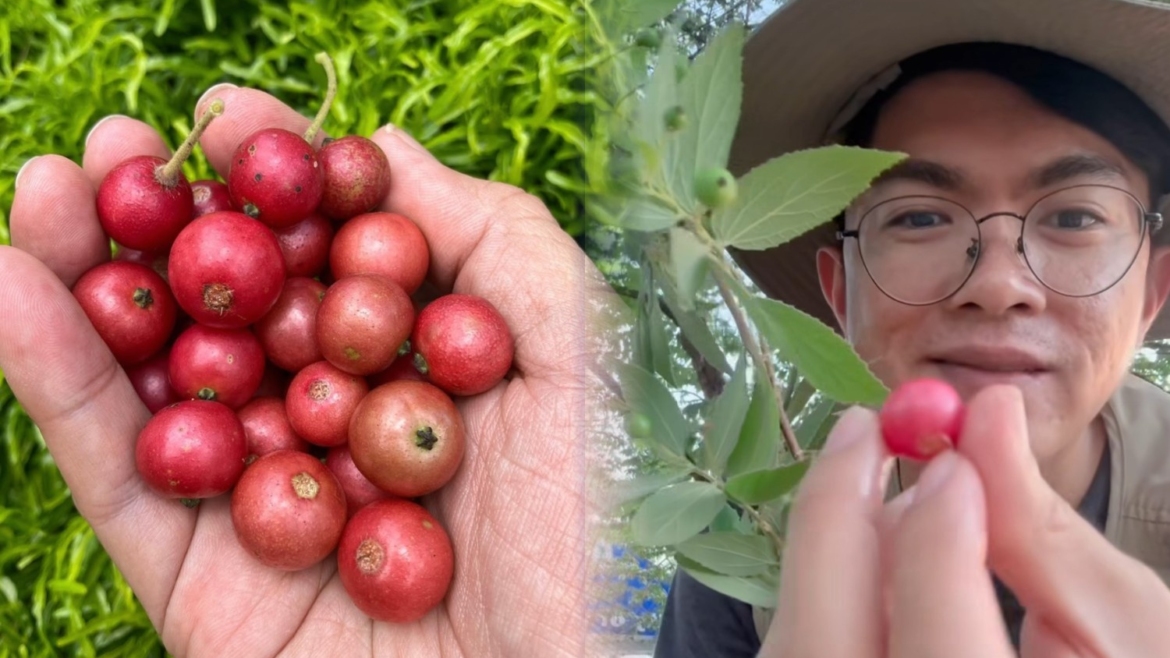
Most fruits give you one thing: something sweet to eat. Santol gives you an entire menu.
For generations, Filipinos have found ways to use almost every part of this backyard favorite. The fluffy white pulp becomes a nostalgic merienda sprinkled with salt, sugar, chili, or dipped in bagoong. The thick rind transforms into the rich and spicy sinantolan, simmered in coconut milk with pork and shrimp paste. Even the unripe fruit finds a place in the kitchen, adding a bright, tangy kick to sinigang when sampalok isn’t around.
That ability to move from snack to ulam is what makes santol one of the country’s most versatile fruits.
From street snack to comfort food
For many Filipinos, santol is a taste of childhood. During summer, vendors sell the fruit peeled and ready to eat, with tiny packets of salt or spicy bagoong on the side. The contrast of sweet, sour, salty, and spicy flavors has made it a classic afternoon treat.
But the fruit doesn’t stop there.
In Bicol and Quezon, the thick outer rind—often discarded by those unfamiliar with the fruit—is grated, squeezed, then cooked into ginataang santol or sinantolan, a creamy dish packed with coconut milk, chilies, and shrimp paste. Food historians consider it one of the best examples of Filipino resourcefulness because what looks like waste becomes the star of the meal.
A natural souring agent
Before powdered mixes became common, home cooks relied on whatever was in season to give sinigang its signature sourness.
Unripe native santol was one of those ingredients. Its sharp acidity works well with pork, fish, or shrimp, making it a practical alternative to tamarind or kamias.
It proves that the same fruit can be enjoyed sweet when ripe and savory when still green.
More than just food
Traditional Filipino herbal medicine also gave santol an important role.
According to StuartXchange’s documentation on Philippine medicinal plants, boiled santol leaves have long been used in folk medicine to help reduce fever and as part of post-childbirth baths. The roots and bark have also traditionally been prepared as decoctions for stomach ailments, although these uses are based on traditional practice rather than established medical treatment.
Modern researchers are now studying compounds found in santol for their antioxidant and anti-inflammatory properties, suggesting there may be more to discover about the fruit.
Even the tree is useful
The usefulness doesn’t end with the fruit.
Santol trees provide generous shade in Filipino backyards, while their hardwood is valued for furniture and light construction because it is durable and resistant to insect damage. In some indigenous communities, crushed leaves and dried bark have also been used as natural insect repellents.
Few backyard trees can claim to feed families, provide medicine, offer shade, and later become useful timber.
One important warning
There is, however, one part of the fruit that should never be swallowed.
Doctors have long warned against ingesting santol seeds. Because the slippery seeds hide razor-sharp edges beneath the pulp, they can become lodged in the intestines and cause serious blockages or perforations that may require emergency surgery.
It’s a reminder that while almost every part of the santol has a purpose, not every part belongs in your stomach.
Perhaps that’s why the santol has remained a Filipino favorite for generations. It’s more than just a fruit—it’s a snack, an ingredient, a home remedy, a shade tree, and a symbol of making the most of what nature provides. Few fruits have found as many ways to become part of everyday Filipino life.
READ: