The name may be less about where the bread came from and more about where the baking tradition began.
Picture yourself walking into a neighborhood panaderia early in the morning.
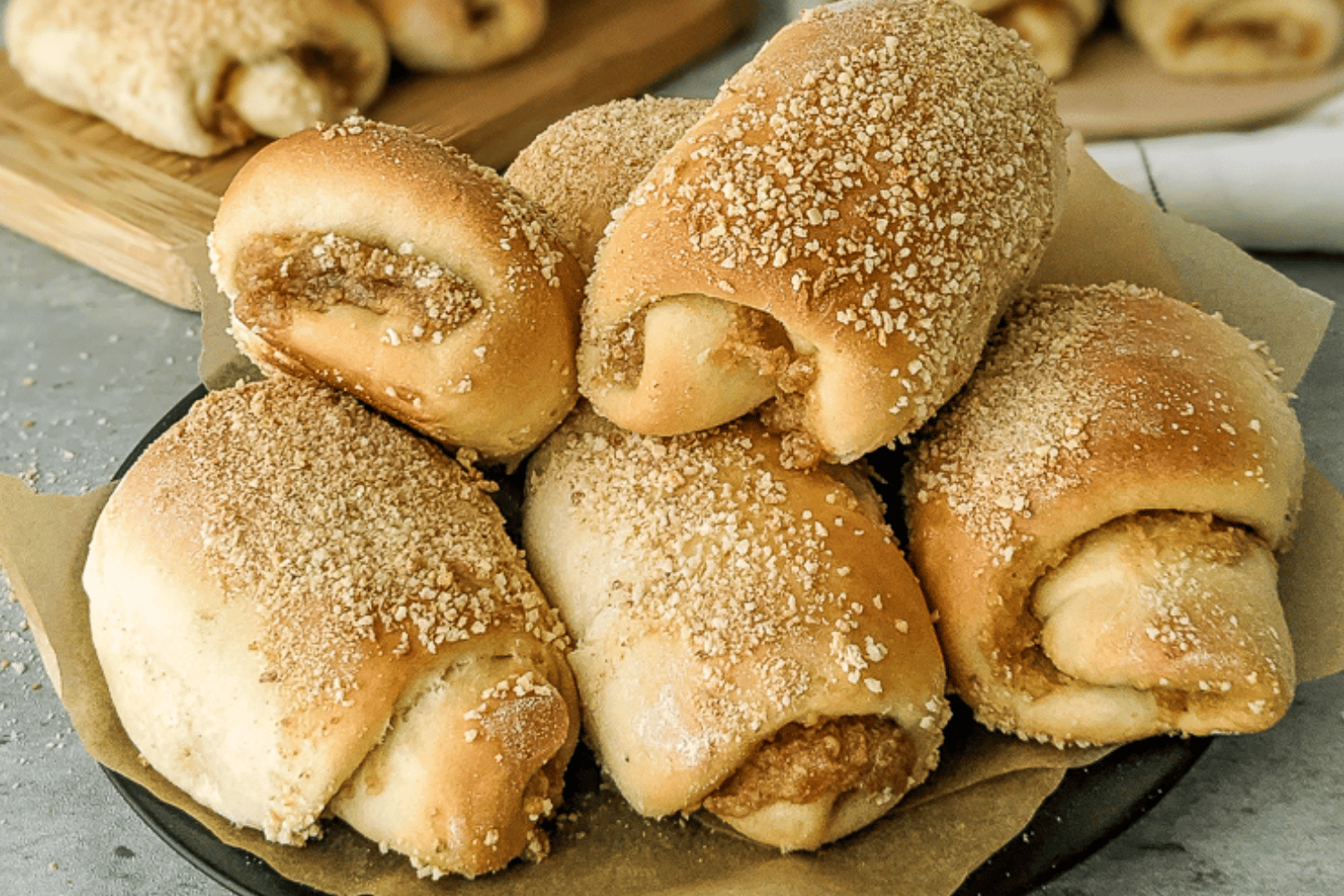
The smell of freshly baked pandesal fills the air, but your eyes immediately lock on another familiar favorite: Spanish bread. Golden brown, coated in breadcrumbs, and filled with that sweet buttery mixture that somehow tastes even better with coffee.
It sounds imported. It looks like something with European roots.
Except it isn’t.
Despite its name, Spanish bread is not from Spain. In fact, food historians say you’ll have a hard time finding anything like it in Spanish bakeries because the pastry is a Filipino creation.
The bread likely emerged in local bakeries during the mid-to-late 20th century as an inventive twist on pandesal dough. Bakers flattened the dough, spread a filling made of butter or margarine, brown sugar, and breadcrumbs, rolled it into its now-iconic shape, then coated it with more breadcrumbs before baking.
The result became one of the country’s most beloved bakery staples.
So why call it “Spanish” at all?
One explanation is marketing. During and after the Spanish colonial period, products with European names often sounded more elegant and premium. Calling it “Spanish bread” or pan de kastila gave the humble pastry a touch of sophistication that appealed to customers.
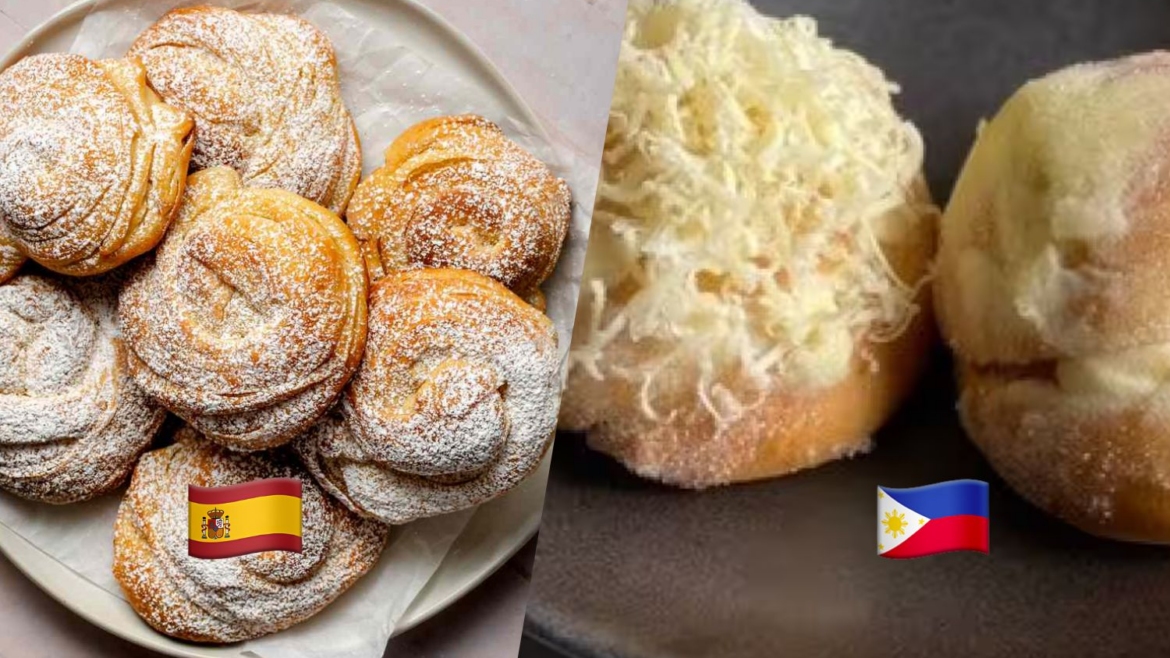
Another theory points to its resemblance to ensaymada, a pastry that traces its roots to Spain’s Mallorca region. While Spanish bread is a completely different recipe, both use enriched dough made with flour, yeast, eggs, sugar, and butter. Local bakers may have simply grouped it with other “Spanish-style” baked goods.
There’s also a historical connection. Although the recipe itself is proudly Filipino, the techniques used to make yeast-leavened wheat bread arrived in the Philippines during more than three centuries of Spanish rule. In that sense, the name may be less about where the bread came from and more about where the baking tradition began.
It’s not the first Filipino food with a misleading name. We have “hotdog” that isn’t a dog, “arroz caldo” that’s more Filipino than Spanish, and “Pan de Regla,” which has nothing to do with school rulers.
Spanish bread belongs to that same delicious tradition—proof that Filipinos have always borrowed ideas, reinvented them, and made them unmistakably our own.
So the next time you bite into that warm, sugary roll from the neighborhood bakery, remember: the only Spanish thing about Spanish bread… is its name.
READ: