The redevelopment has reignited discussions over modernization versus preserving ATC’s identity.
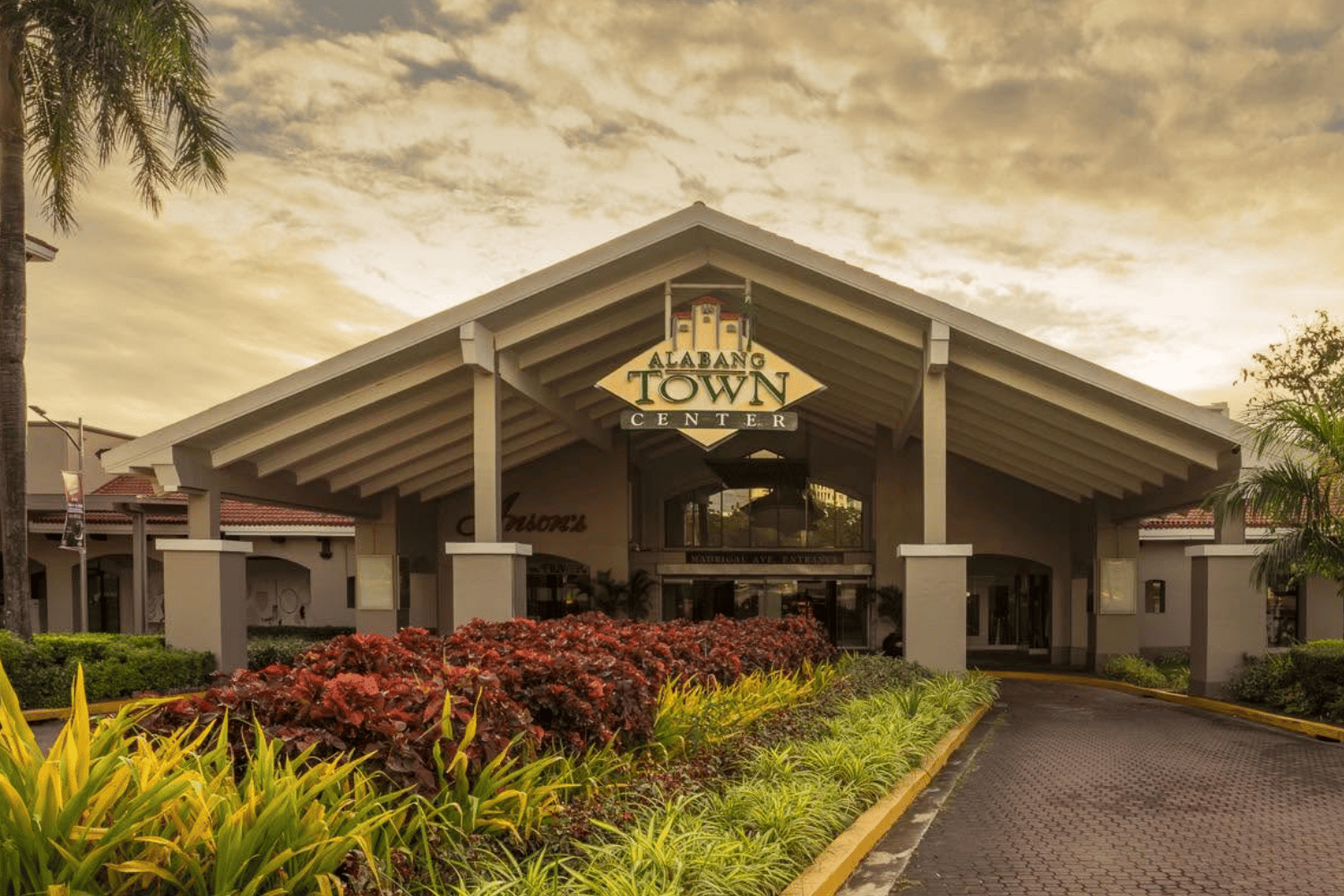
Rockwell Land’s ₱21.6-billion acquisition of Alabang Town Center is evolving into one of Metro Manila’s most closely watched retail transformations, offering an early look at how developers are repositioning aging malls for a new generation of consumers.
As Southies debate whether it’s “ATC” or simply “Town,” the redevelopment of one of southern Metro Manila’s best-known community malls is drawing mixed reactions from shoppers, retailers, and longtime patrons alike.
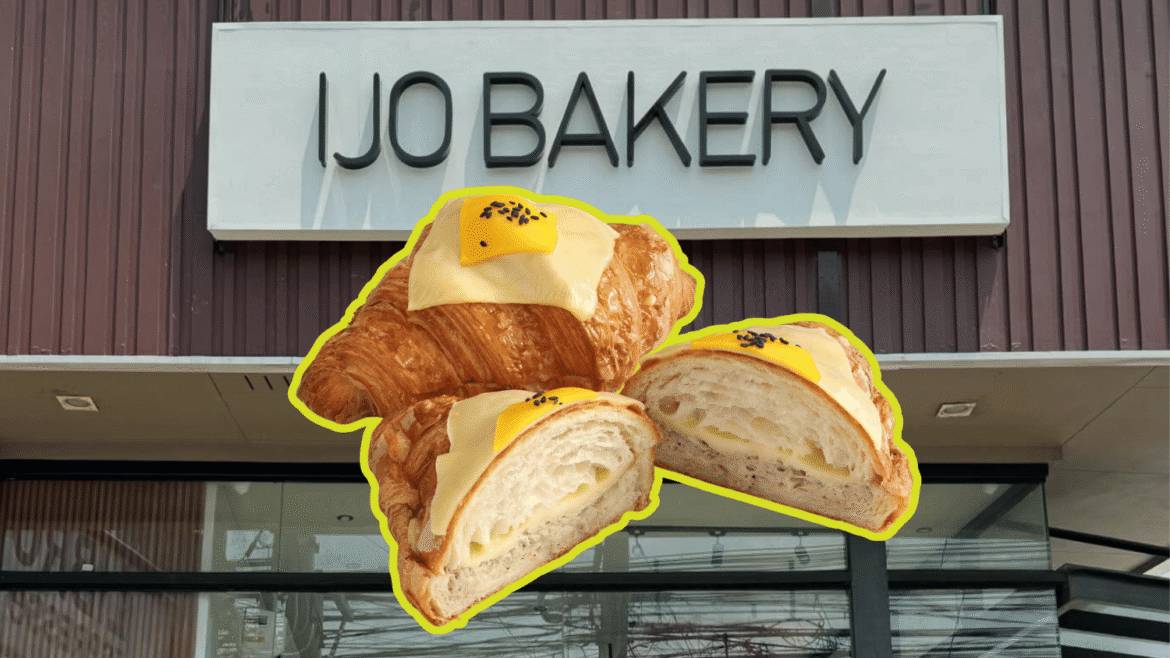
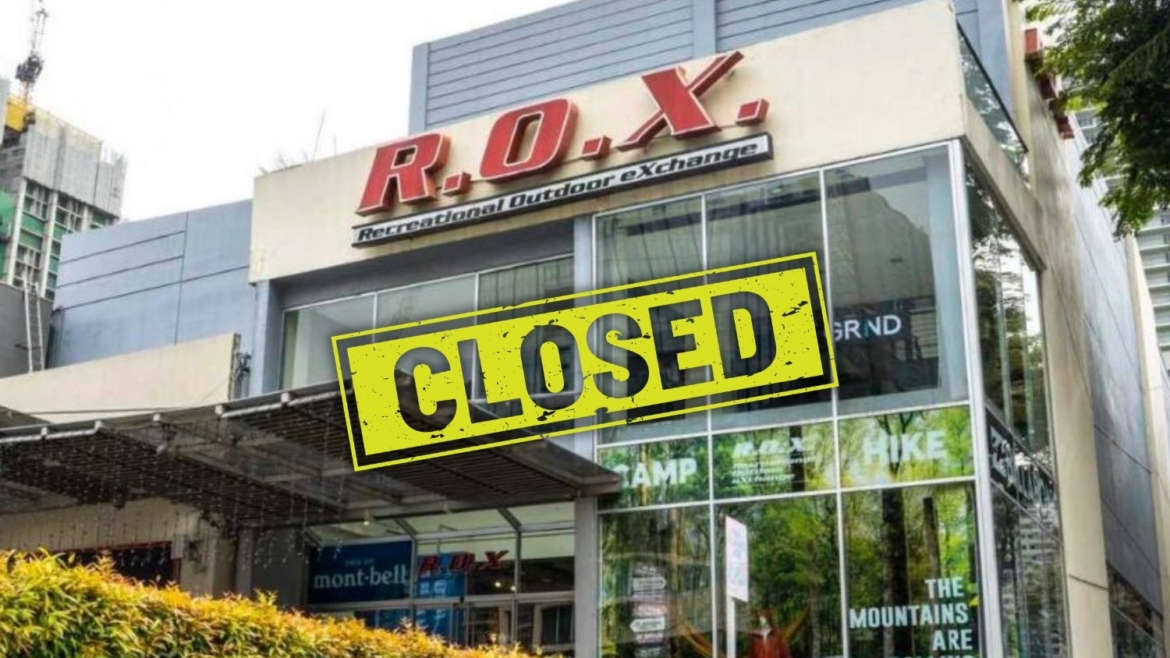
The acquisition is proving to be more than just a change in ownership. It signals a strategic retail repositioning that has already led to store closures, tenant reshuffling, and a wave of mixed consumer sentiment in Metro Manila’s south.
Following Rockwell Land’s acquisition of Alabang Town Center, ATC is undergoing a phased redevelopment aimed at upgrading its commercial mix and overall mall experience. This includes the planned introduction of curated retail and dining concepts such as “The Grid,” alongside the temporary closure of sections like The Street beginning August 3 to make way for renovations.
Rockwell has said the transformation will unfold over the next five to 10 years, with the initial phase focusing on improving traffic flow, parking, and the mall’s tenant mix. The company has also confirmed plans to bring in brands such as Zara, Bershka, Pull & Bear, Stradivarius, Harlan + Holden Coffee, and Skin Station.
The repositioning, however, has coincided with the exit of several long-standing tenants and uncertainty over lease renewals for others. While anchor stores such as Fully Booked, Healthy Options, and Mary Grace continue to operate, many are reportedly on lease contracts that expire in December, leaving their long-term future at the mall unclear.
For many Southies, the redevelopment has reignited the debate over modernization versus preserving ATC’s identity. The mall has long stood apart from other Metro Manila shopping centers through its open-air layout, community events, and familiar mix of long-running brands.
That divide is evident in online discussions. One Reddit user wrote, “To completely gut its DNA would be like stripping away all the memories I have of this place.” Others welcomed the changes, arguing that nostalgia alone cannot keep a retail destination relevant.
The bigger challenge is how far a beloved community mall can evolve without losing the identity that made it a destination for generations of Southies. Rockwell, for its part, has repeatedly said its goal is to preserve and revive the old charm of “The Town” while modernizing the property for today’s retail landscape.
At the same time, industry observers note that mall redevelopments of this scale are often driven by the need to optimize asset value, attract higher-spending demographics, and remain competitive in an evolving retail landscape shaped by e-commerce and growing demand for experiences beyond shopping.
As Rockwell moves forward with its redevelopment plans, the success of the project may ultimately depend on whether it can modernize the space without alienating the very market that made it valuable.
READ: