Mateo Cariño’s fight for his land created a legacy that protects indigenous property rights.
Imagine being told that the land your family has lived on for generations no longer belongs to you simply because you don’t have a piece of paper to prove it.
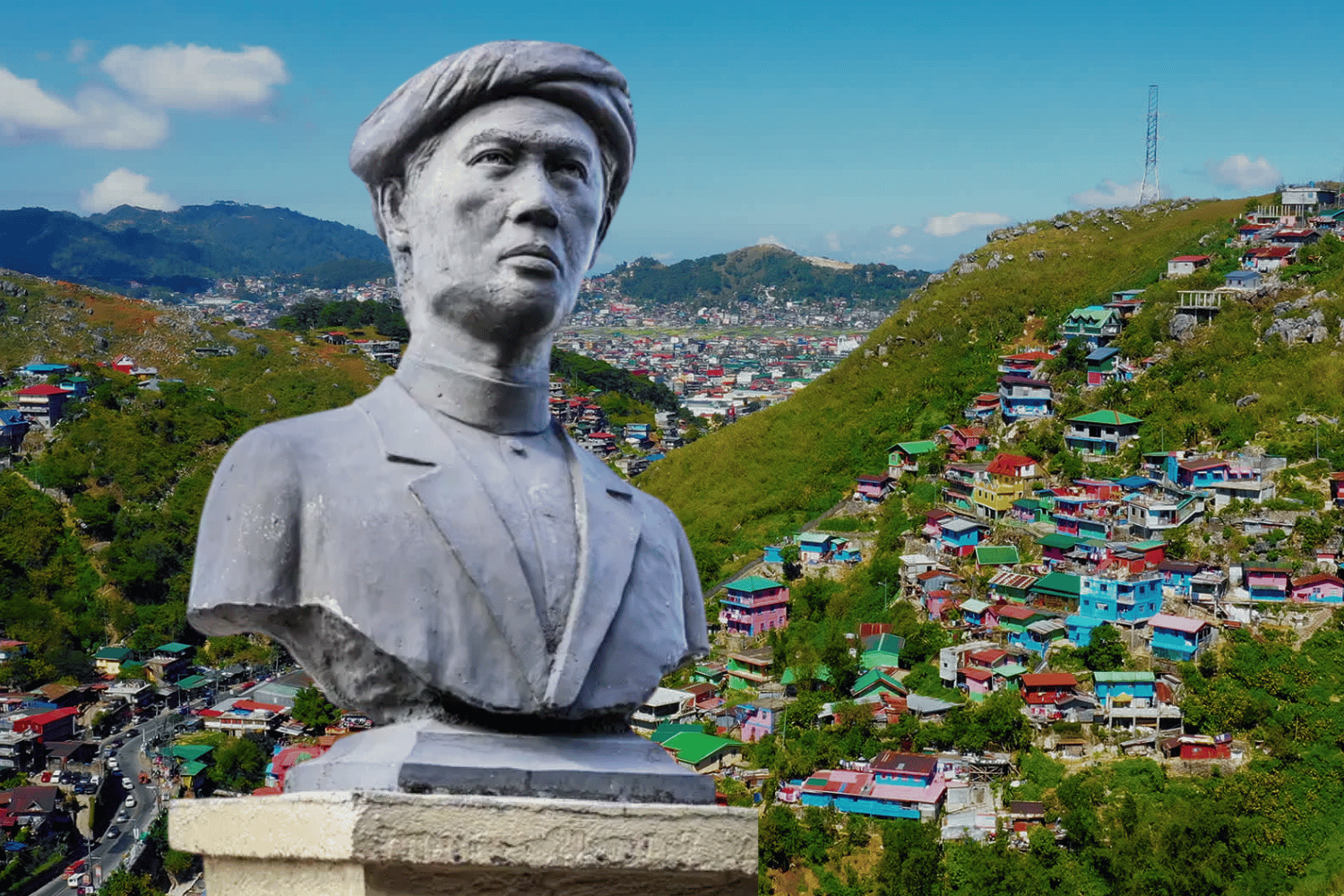
That was the reality faced by Mateo Cariño, an Ibaloi Igorot chieftain from Benguet, when the American colonial government claimed ownership of his family’s ancestral grazing land in what is now Baguio City. Instead of giving in, he fought the case all the way to the U.S. Supreme Court—and won.
His 1909 victory became the foundation of what is now known as the Cariño Doctrine, one of the Philippines’ most important contributions to international law.
The landmark ruling recognized the principle of Native Title, affirming that indigenous peoples who have occupied their ancestral lands since “time immemorial” own them by right, even without formal government-issued titles. It also rejected the sweeping assumption that all untitled land automatically belongs to the State.
The decision transformed the legal landscape in the Philippines. Its principles were later reflected in the 1987 Constitution and became a cornerstone of the Indigenous Peoples’ Rights Act of 1997, allowing indigenous communities to secure legal recognition of their ancestral domains through Certificates of Ancestral Domain Titles.
The doctrine’s influence also spread far beyond the Philippines.
Legal experts have cited the Cariño Doctrine as an important influence on the development of Native Title and Aboriginal Title in countries such as Canada, Australia, and New Zealand. Its central idea—that indigenous ownership survives colonization and changes in sovereignty—helped shape modern legal thinking on ancestral land rights.
Ironically, although the ruling came from the U.S. Supreme Court, American courts have often been more hesitant to extend the same reasoning to Native American land claims.
More than a century later, what started as one Igorot chieftain’s determination to protect his family’s land has become a legal doctrine that continues to influence indigenous rights not only in the Philippines, but around the world.
READ: