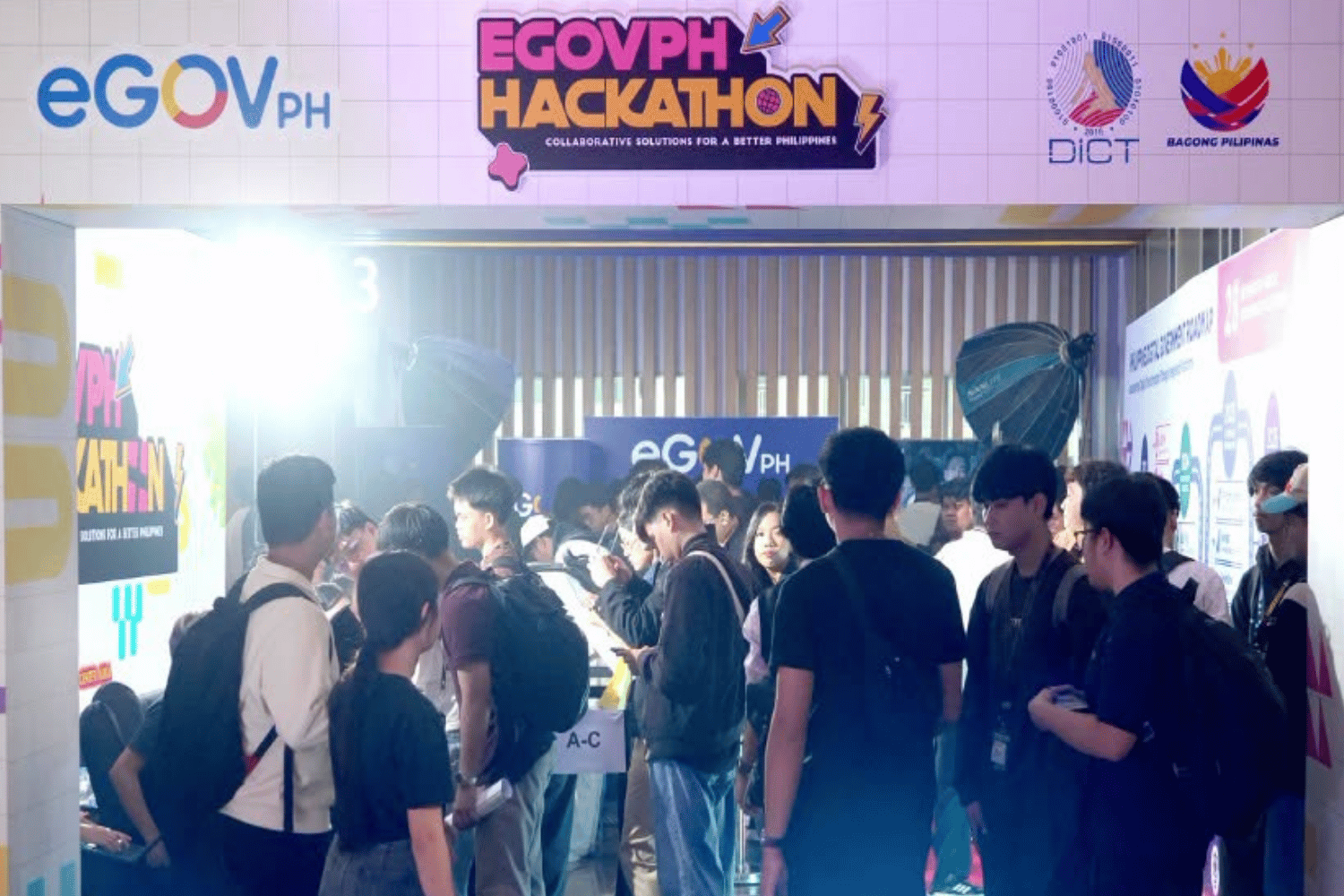
He said he wanted to automate the registration process but was unable to do so, adding that the current requirements “need to be changed.”
Some participants also complained about the lengthy program flow and the lack of work tables on the first day, saying these prevented teams from preparing adequately for the hacking proper.
“Instead of using that time to brainstorm and start building our solution, participants spent hours simply sitting and waiting,” one participant wrote on Facebook.
Almirol also acknowledged internal issues, saying government procurement delays prevented organizers from preparing the event and materials ahead of time.
“I wanted the hackathon event and needed materials/things prepared ahead of time, pero natapos ang procurement last week lang!” he wrote, adding that the government’s procurement process is “complicated” and also “need[s] to be fixed.”
Participants likewise questioned the judging and awarding process after organizers reportedly announced the Top 10 finalists while some teams were still undergoing evaluation.
Some participants also alleged that winning entries included features that panelists had previously advised against or functions already available in the eGov app. They likewise lamented the absence of a Q&A session for finalists, saying it is a key learning component of most hackathons.
“The competition needed clearer judging criteria, consistent standards, and transparency in how winners were selected,” an attendee said.
According to Almirol, the evaluation ultimately relied on the submitted presentation materials due to time constraints. He said the process would be improved, with specific details to be announced next week.
With a ₱2-million prize pool at stake, participants urged organizers to take their feedback into account for future hackathons.
READ: