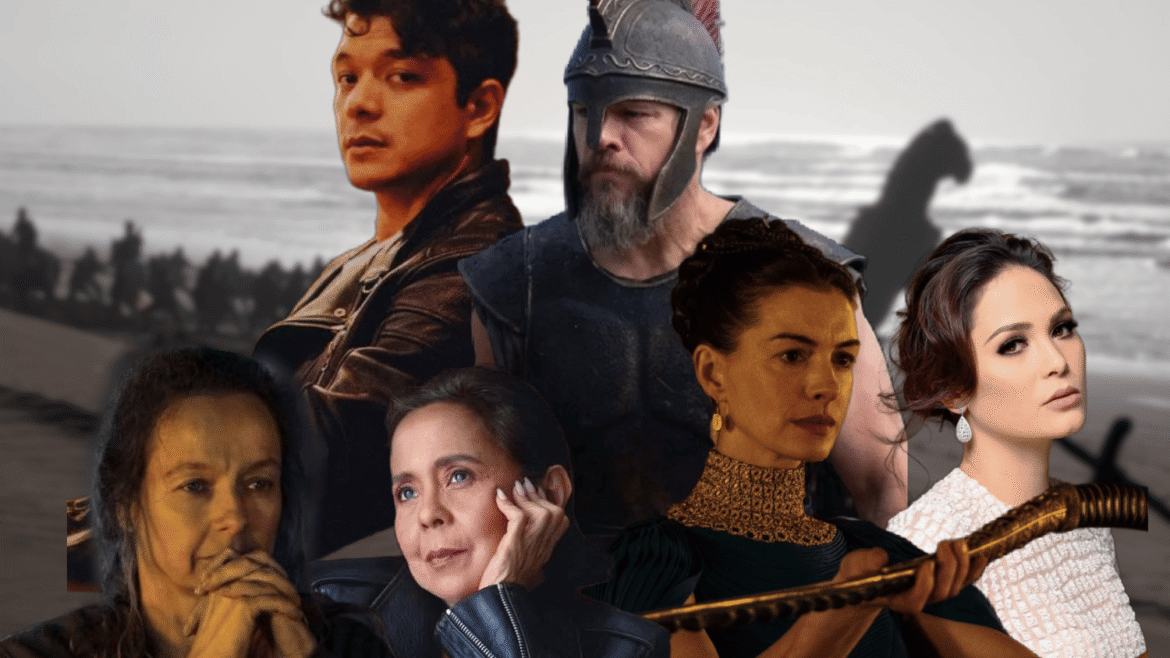
Moviegoers are once again following a hero across monster-filled seas.
With Christopher Nolan’s “The Odyssey” now the No. 1 film in Philippine cinemas, audiences are rediscovering the timeless appeal of epic storytelling—gods meddling in human affairs, impossible journeys, mythical creatures, and a hero determined to find his way home.
For nearly 3,000 years, Homer’s “The Odyssey” has stood as one of the greatest adventures ever written, shaping Western literature and inspiring generations of writers and filmmakers.
But as Filipinos pack cinemas to witness the legendary voyage of Odysseus, many remain unaware that the Philippines has its own epics—stories every bit as grand, imaginative, and emotionally resonant.
Before the arrival of Spanish colonizers, communities across the archipelago were already chanting tales of heroes who crossed enchanted seas, fought monsters, returned from death, and challenged the will of gods and spirits. These weren’t merely folktales. They were the foundations of entire cultures, preserving the beliefs, values, and histories of pre-colonial Filipinos.
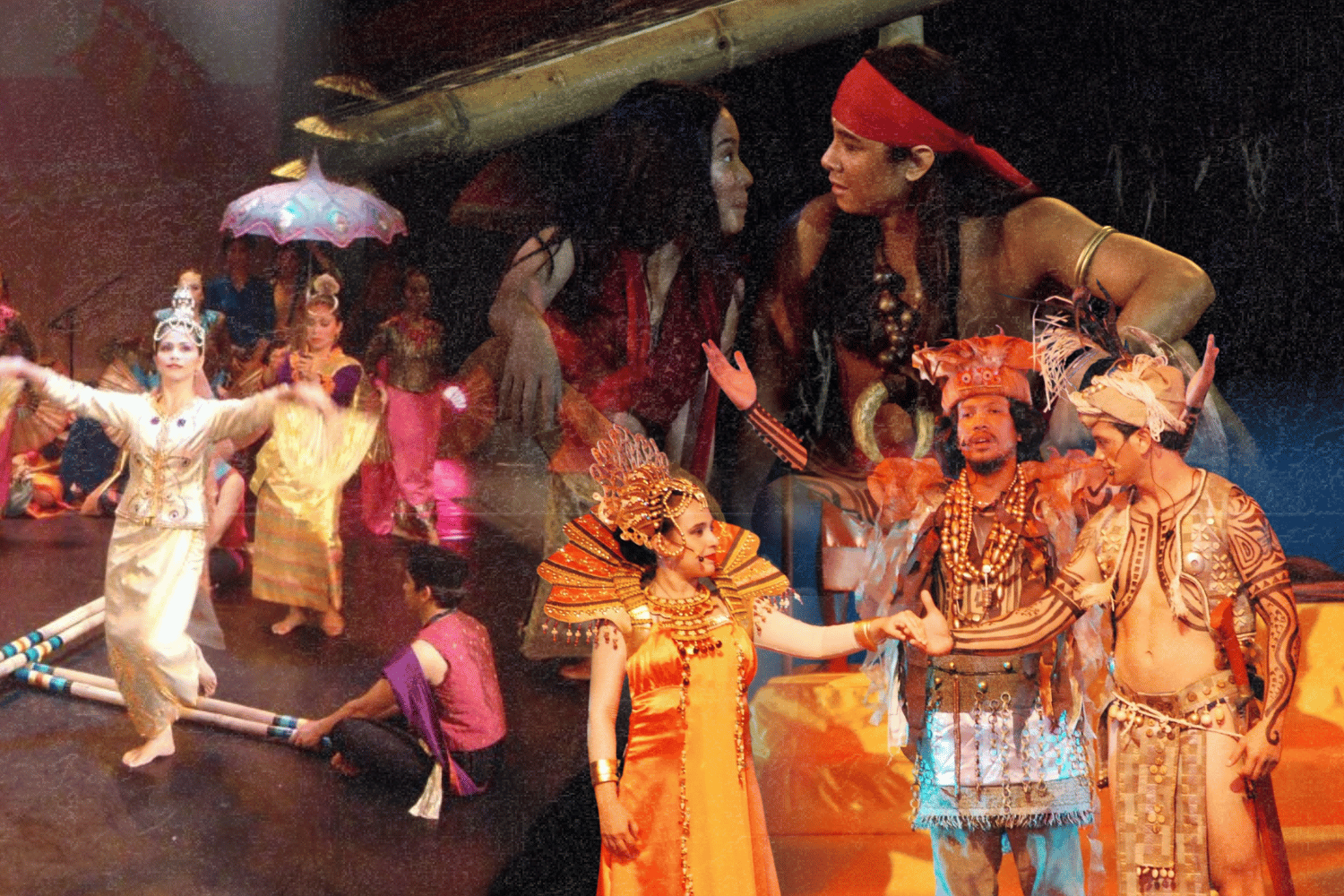
Among the greatest are three masterpieces that can stand proudly beside Homer’s “The Odyssey”: the Ilocano epic “Biag ni Lam-ang,” the Visayan epic “Hinilawod,” and the Maranao epic “Darangen.”
The boy who returned from death
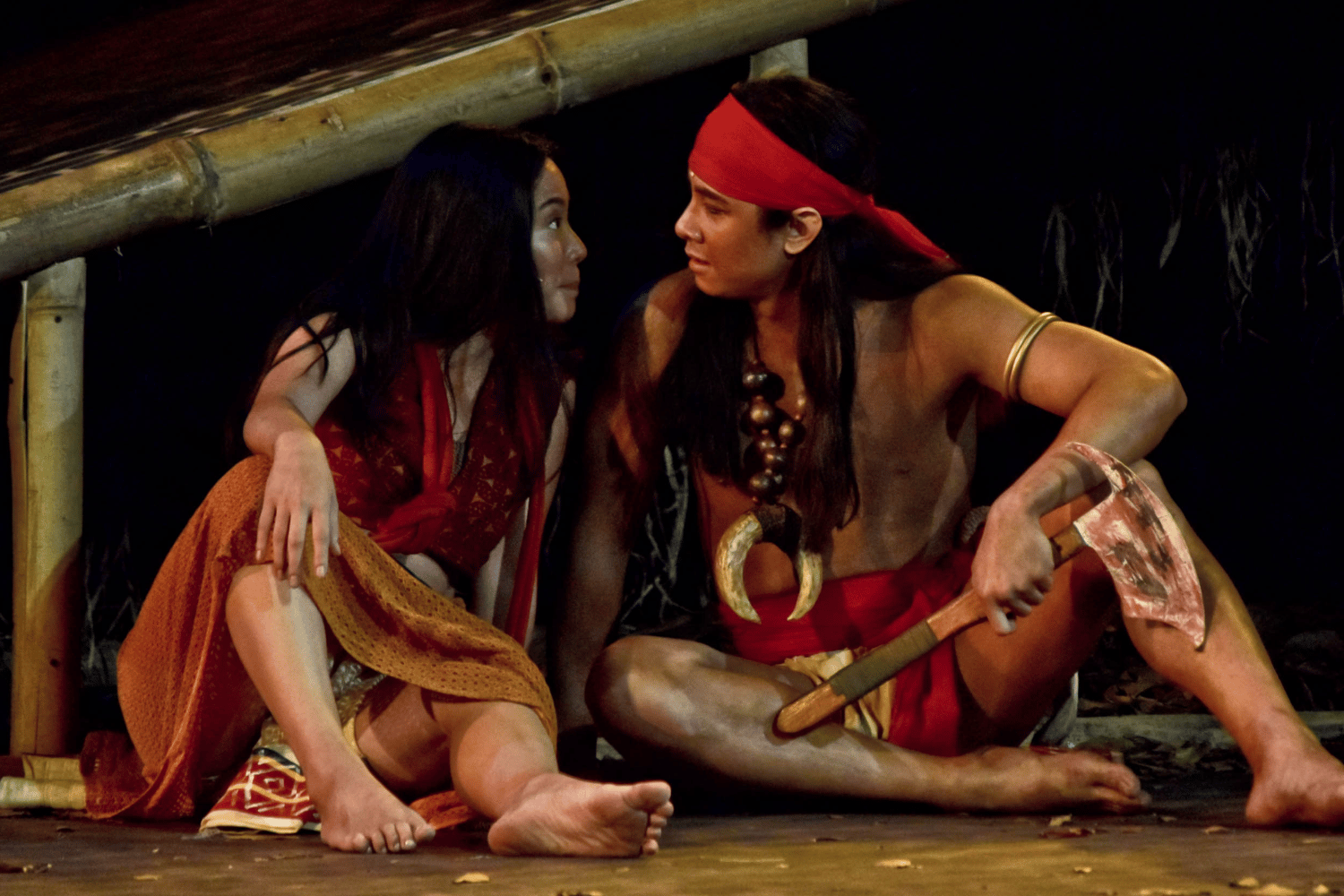
The Ilocano epic “Biag ni Lam-ang” is perhaps the best-known Philippine epic, having been preserved through centuries of oral tradition before being transcribed in the 17th century by blind poet Pedro Bucaneg.
Its hero is extraordinary from the moment he is born.
Lam-ang speaks immediately after leaving his mother’s womb, chooses his own name, and displays supernatural abilities while still an infant. When he learns that his father has been killed in battle, he journeys alone into the mountains to avenge him, defeating an entire enemy village.
His adventures continue when he woos the beautiful Ines Kannoyan, overcoming impossible challenges before winning her hand in marriage.
The story reaches its most unforgettable moment when Lam-ang dives into the sea to catch the prized rarang fish despite foreseeing his own death. He is swallowed by the monstrous Berkakan, leaving behind only his bones. Through the magical chants of his loyal dog and white rooster, however, he is brought back to life.
Like Odysseus, Lam-ang survives encounters that blur the line between life and death, proving that true heroes are defined not only by strength but by resilience and destiny.
The three-day sea adventure
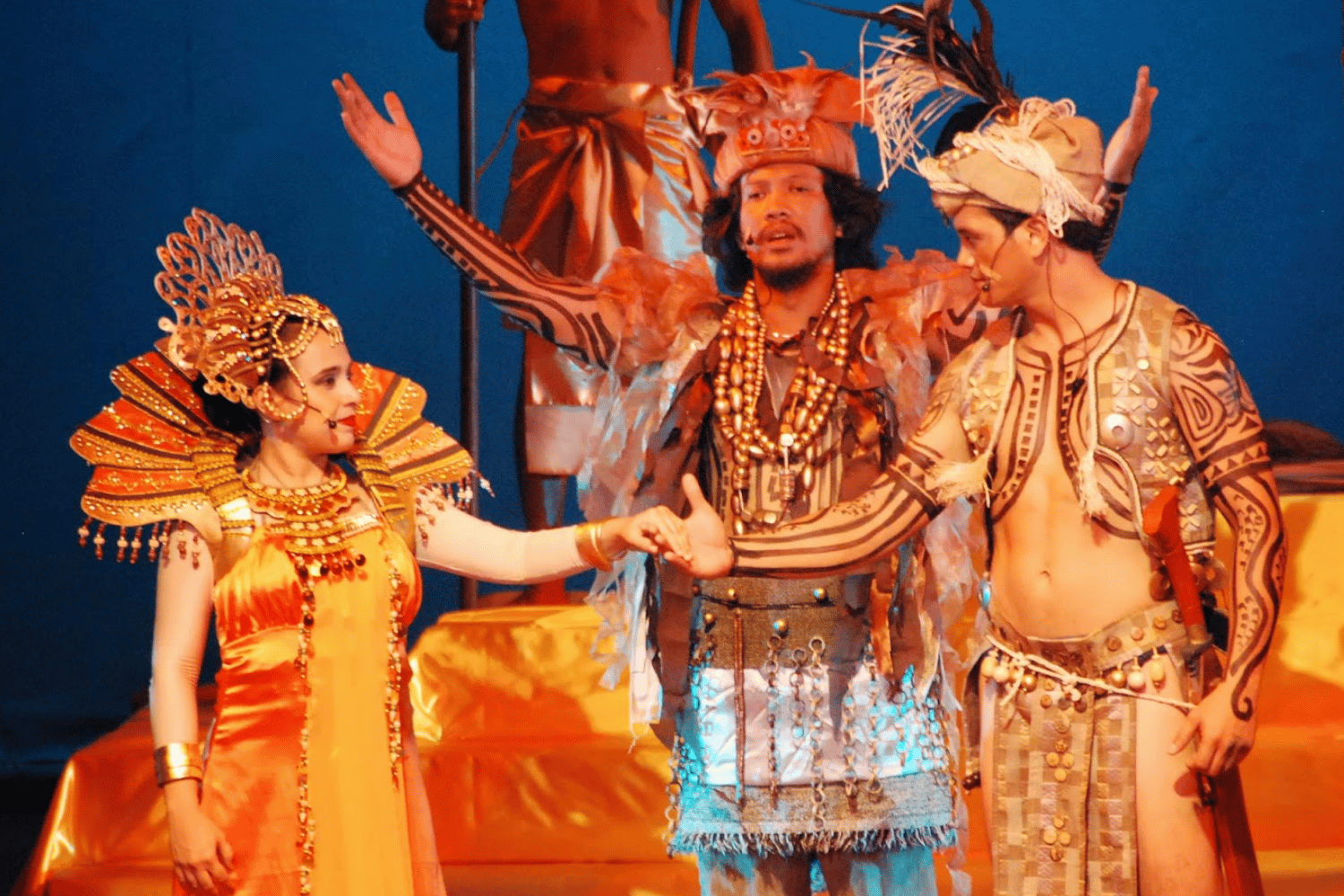
If “The Odyssey” is remembered for its long voyage across the seas, the Visayan epic “Hinilawod” is arguably even more ambitious.
Preserved by the Sulodnon people of Panay, the epic spans around 28,000 verses—so long that a complete traditional chanting can take nearly three days.
Rather than following a single hero, it chronicles the adventures of three demigod brothers: Labaw Donggon, Humadapnon, and Dumalapdap.
Labaw Donggon sails across distant seas aboard a golden boat in pursuit of love and glory, eventually battling the powerful Saragnayan, whose life force is hidden inside a wild boar. Defeated and imprisoned beneath the sea, he remains captive for years before his own sons rescue him.
Humadapnon embarks on his own perilous voyage but becomes trapped by the enchanting sorceress Pandin inside a magical cave, recalling the temptations faced by Odysseus with Circe and Calypso.
Meanwhile, Dumalapdap battles the fearsome multi-headed monster Baluak in a clash so powerful that legend says it gave birth to the islands of Panay, Negros, and Guimaras.
Like “The Odyssey,” “Hinilawod” is built around perilous sea journeys, supernatural beings, impossible battles, and heroes constantly tested by fate.
The UNESCO-recognized masterpiece
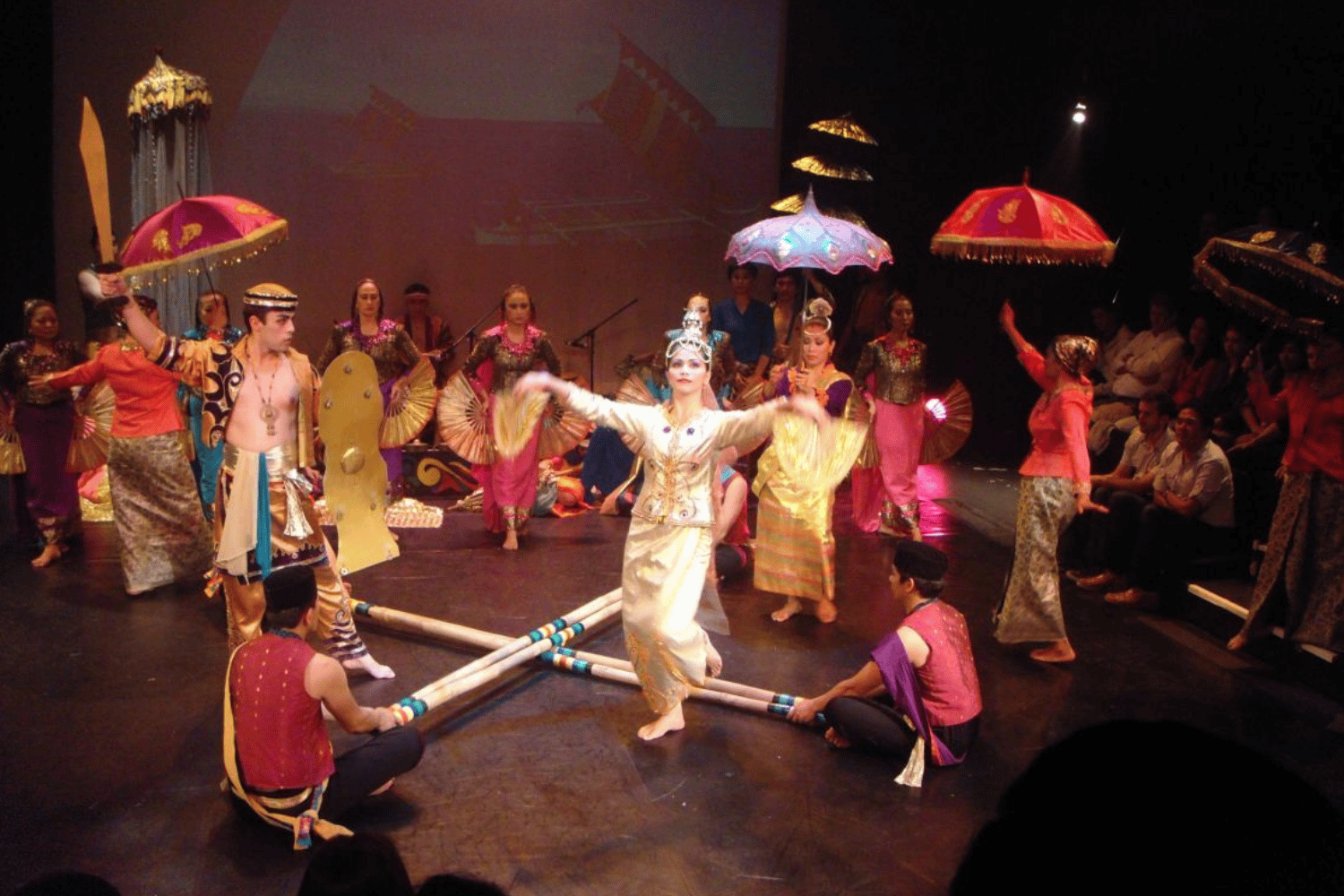
Far to the south lies one of the country’s greatest literary treasures.
The Maranao epic “Darangen” consists of 17 interconnected cycles and around 72,000 lines of verse. It has been recognized by UNESCO as a Masterpiece of the Oral and Intangible Heritage of Humanity.
Its central hero is Prince Bantugan, the celebrated warrior of the kingdom of Bumbaran.
His popularity sparks the jealousy of his own brother, King Madali, who forbids anyone from speaking to him. Heartbroken, Bantugan leaves his homeland and eventually dies in exile.
Overcome with guilt, Madali embarks on a supernatural quest. Riding a magical flying shield, he ascends into the Skyworld, retrieves Bantugan’s soul, and restores him to life just in time to defend their kingdom against invading forces.
Like Homer’s masterpiece, “Darangen” explores honor, kingship, divine intervention, family, and sacrifice. Gods and ancestral spirits shape the destinies of kingdoms much like the Olympian gods influence the fate of Odysseus.
Our heroes deserve their moment
Christopher Nolan’s blockbuster has reminded audiences that ancient stories never lose their power. They simply wait to be rediscovered.
Perhaps it is time Filipinos did the same.
For generations, Lam-ang, Labaw Donggon, Humadapnon, Dumalapdap, and Prince Bantugan have remained largely confined to classrooms, libraries, and oral traditions while Greek mythology and modern superheroes dominated popular culture.
Yet these Filipino heroes possess magical weapons, sail enchanted seas, battle monsters, return from death, and confront gods with the same scale and imagination that made “The Odyssey” one of history’s greatest epics.
The difference is that these legends did not come from ancient Greece.
They were born in the Philippine archipelago, carried across generations by Filipino voices long before the nation itself had a name.