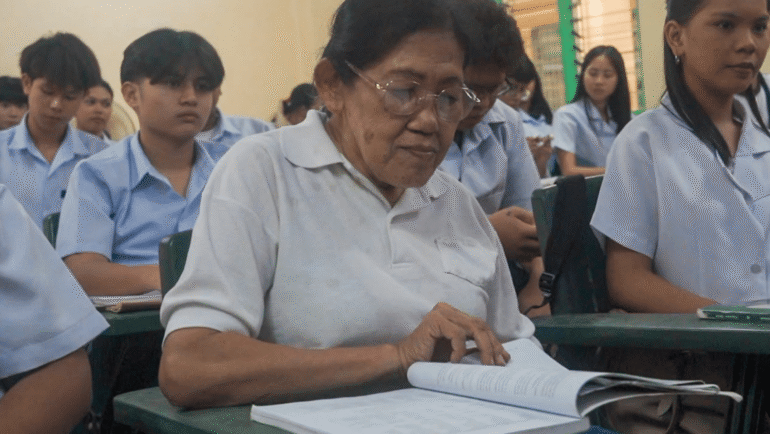
The rainy season remains the peak period for dengue transmission.
The rainy season is fueling new dengue hot spots across the Philippines, with several cities, provinces, and regions reporting sharp increases in infections, deaths, or disease activity that have already breached health thresholds.
While the Department of Health (DOH) says nationwide dengue cases remain significantly lower than last year, health authorities are sounding the alarm over localized outbreaks where transmission is accelerating.
The renewed surge also comes as the Philippines still has no publicly available dengue vaccination program, despite the availability of newer dengue vaccines that have been approved in several countries after undergoing extensive clinical trials and regulatory review.
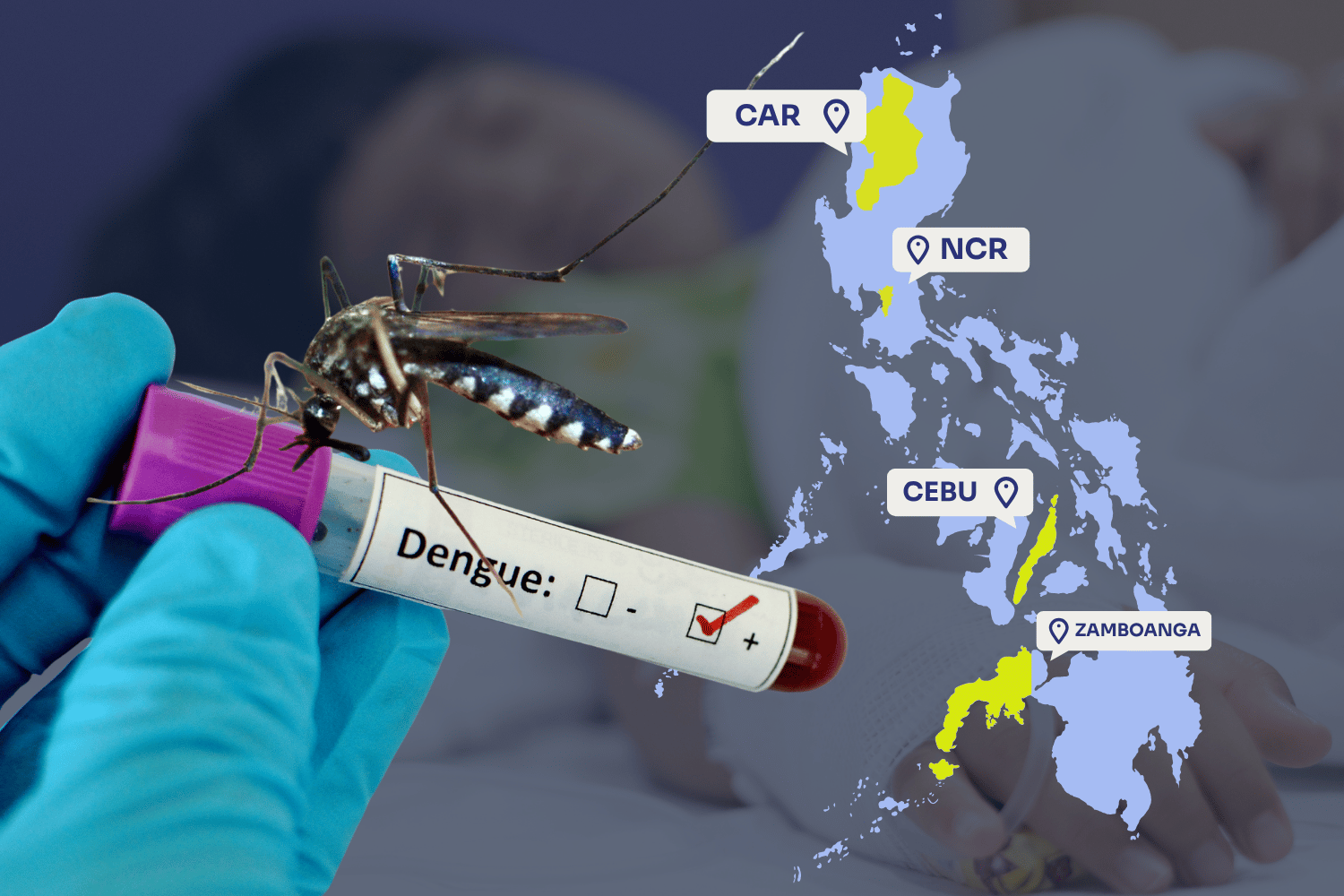
Among the areas under close watch is Cebu City, where the City Health Department reported on Aug. 3 that the city has recorded 1,228 dengue cases and 10 deaths this year—higher than the same period in 2025. Across Cebu Province, the Provincial Health Office also reported on Aug. 1 that Toledo City has emerged as the biggest hotspot, followed by Barili, Talisay City, and Consolacion, as infections continue to climb during the rainy season.
In Zamboanga City, the City Health Office reported on July 31 that the city had logged 1,184 dengue cases and 11 deaths, representing a 20% increase from the same period last year. Officials said sustained community transmission remains a concern and urged residents to immediately eliminate stagnant water around their homes.
The situation is also worrying in the Cordillera Administrative Region (CAR). Based on DOH-CAR surveillance data released on Aug. 2, Benguet and Baguio City remain above the epidemic threshold, while Mountain Province has already exceeded the alert threshold, prompting intensified monitoring and mosquito-control measures.
Earlier DOH surveillance data released on June 20 identified the National Capital Region (NCR), CALABARZON, and Central Luzon as accounting for more than half of the country’s dengue burden. The report also identified 17 local government units, including Quezon City, as active dengue hot spots requiring intensified intervention.
The DOH stressed that the national decline in cases should not create a false sense of security. Based on the June 20 surveillance report, the country recorded 50,727 dengue cases from January to May, about 56% lower than the 114,308 cases reported during the same period last year. Health officials, however, emphasized that localized outbreaks can still occur even when national figures are declining.
Authorities warned that the rainy season remains the peak period for dengue transmission because rainwater easily collects in containers, discarded tires, flower pots, roof gutters, and other breeding sites for Aedes mosquitoes.
The DOH is urging the public to practice the 4S strategy: Search and destroy mosquito breeding places, Secure self-protection by using long sleeves and mosquito repellents, Seek early consultation if symptoms develop, and Say yes to fogging only in identified hotspot areas.
Doctors also reminded the public not to ignore warning signs such as persistent high fever, severe headache, pain behind the eyes, muscle and joint pain, rashes, vomiting, abdominal pain, or unusual bleeding. Early medical consultation can significantly reduce the risk of severe dengue and death.
READ:
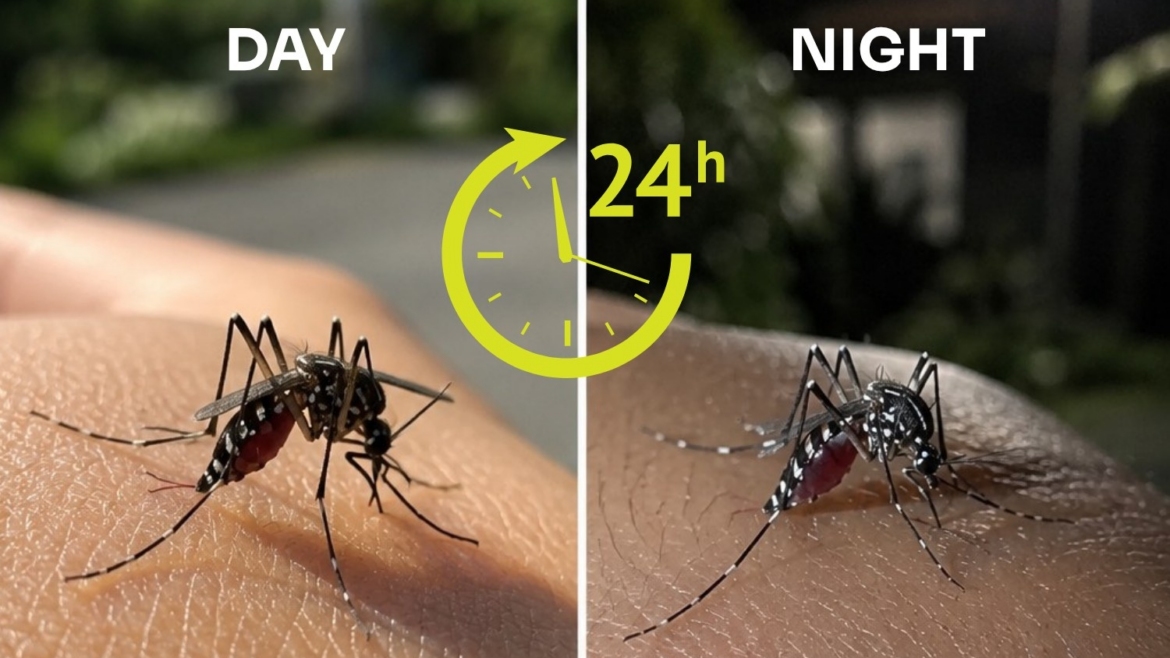
Dengue is now a day-and-night threat, says UPLB study
Top Dagohoy
July 29, 2026
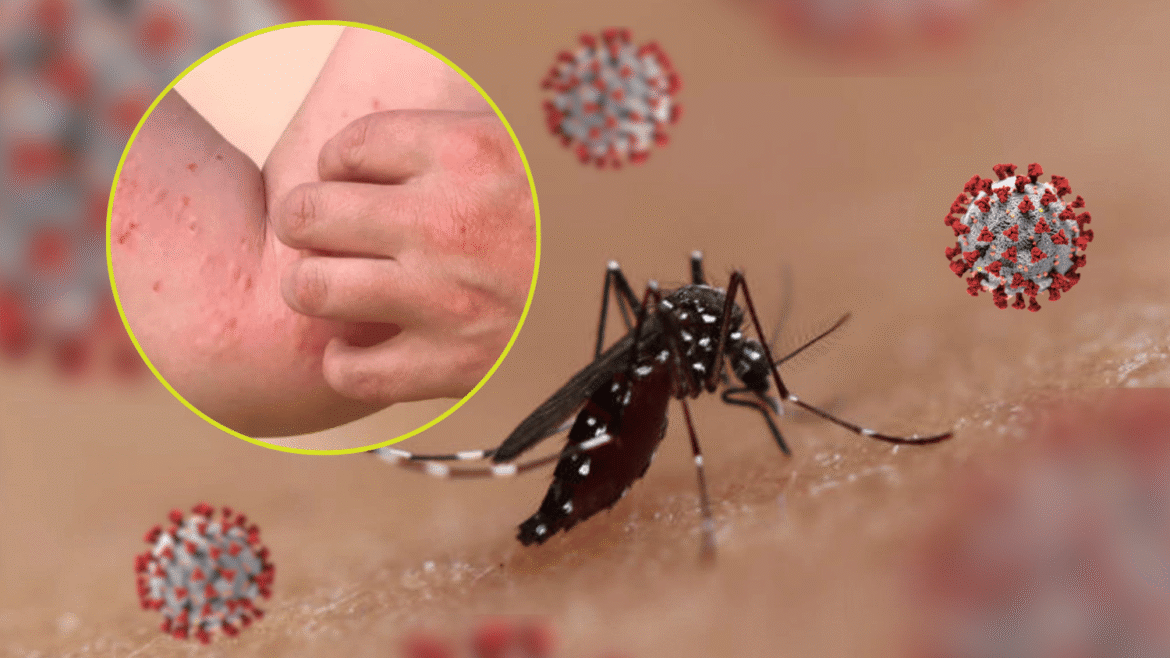
Chikungunya is back!
Top Dagohoy
July 11, 2026
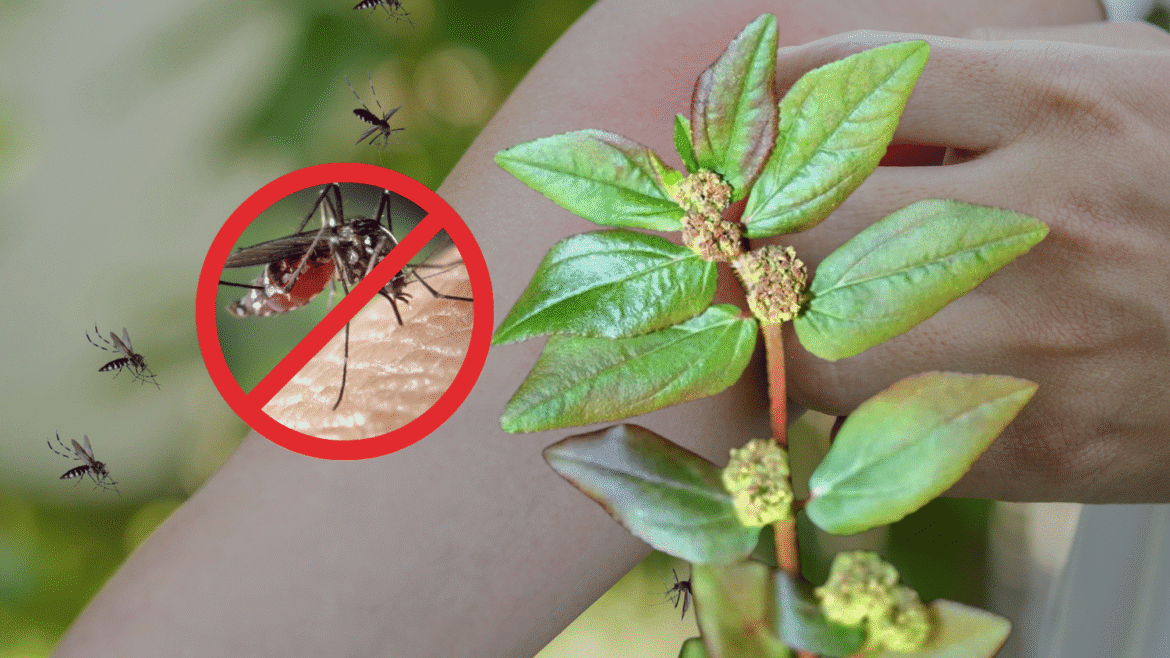
Tawa-tawa: The humble weed helping Filipinos fight dengue
Top Dagohoy
July 31, 2026