You see it at a plant fair or outside a garden center and can’t help but laugh.
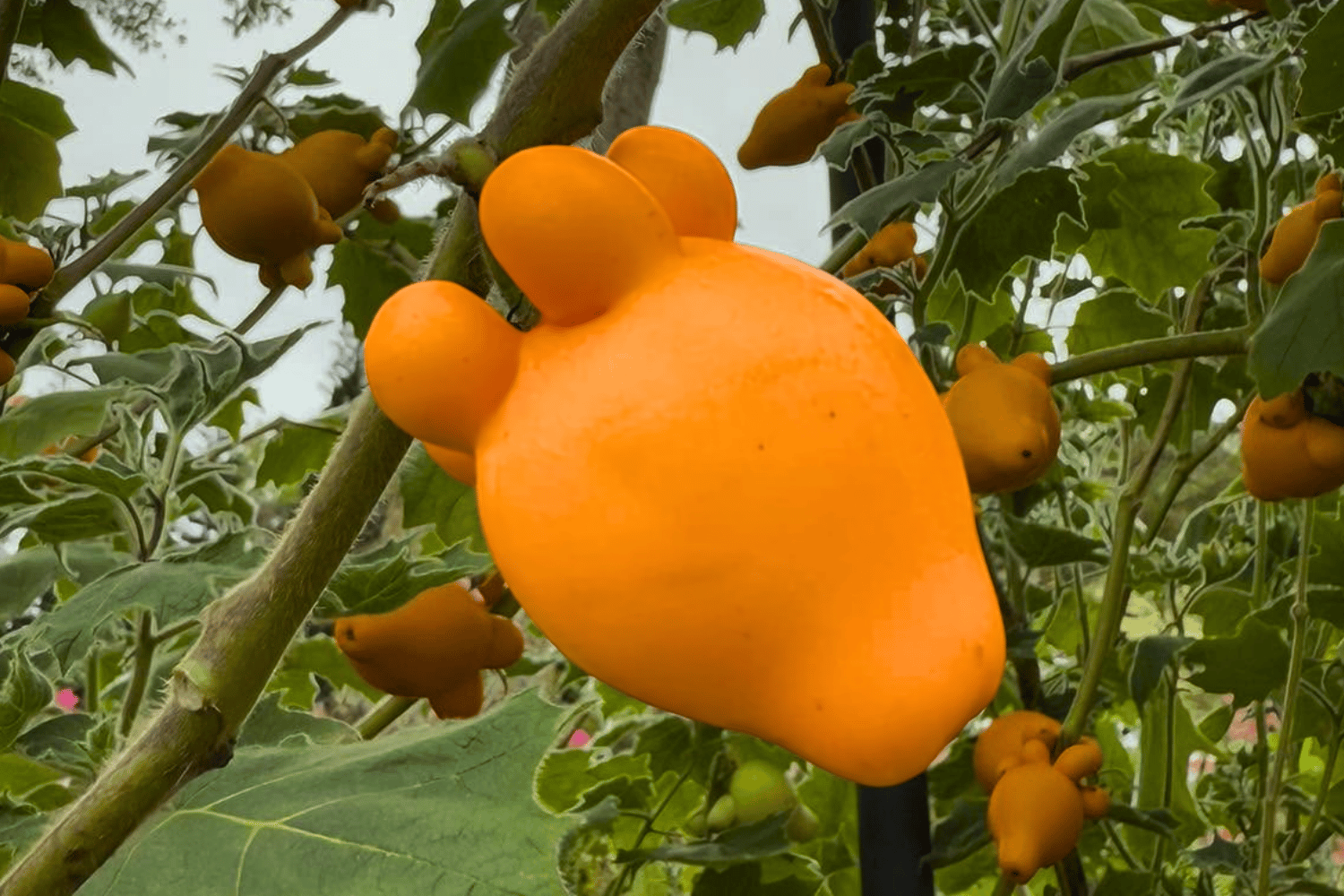
Bright orange, oddly shaped, and sporting several rounded protrusions, the fruit looks exactly like what its Filipino nickname suggests. It’s called utong—the Tagalog word for “nipple.” But while its cheeky name makes it a conversation starter, this is one fruit you should never put on your plate.
Scientifically known as Solanum mammosum, utong is highly toxic and is grown almost entirely as an ornamental plant. Despite belonging to the same plant family as tomatoes and eggplants, it is not edible and can cause poisoning if consumed.
Why is it called “utong”?
Filipinos have always been creative when naming plants, often basing them on appearance rather than scientific classification.
In the case of utong, the nickname is impossible to miss. The fruit develops one to five rounded, nipple-like projections at its base, giving it a striking resemblance to a human breast or a cow’s udder. That’s also why it has earned colorful names overseas such as nipplefruit, cow’s udder, and titty fruit. Others call it the Mickey Mouse plant because the protrusions can resemble cartoon mouse ears.
Its bright orange color makes it even more eye-catching, turning it into one of the most unusual ornamental plants found in tropical gardens.
Look, don’t taste
As amusing as the fruit looks, experts warn that it should never be eaten.
Utong contains naturally occurring toxic compounds called steroidal glycoalkaloids, including solanine and solamargine. These chemicals can trigger nausea, vomiting, diarrhea, severe stomach pain, dizziness, and in more serious cases, breathing difficulties.
Unlike exotic fruits that simply taste bitter or sour, utong isn’t considered a culinary curiosity. Its flesh is filled with a spongy white interior and sticky green pulp surrounding flat seeds, but its toxicity means there is no safe tradition of eating it.
A plant that’s meant to be displayed
The fruit’s real value lies in its appearance.
Gardeners prize utong for its vivid orange fruits that remain attractive for weeks, making it a popular decorative plant. During Lunar New Year, branches laden with the fruits are sometimes used in Filipino-Chinese and Chinese celebrations as symbols of prosperity, longevity, and a flourishing family because of their clustered shape.
Some traditional folk practices also use the fruit externally for skin conditions, while others have used crushed fruits as a natural insect deterrent. However, these practices involve external application only—not consumption.
So if you ever spot a basket of bright orange utong fruits at a market or plant shop, admire them, chuckle at the name if you must, and perhaps bring one home to brighten your garden.
Just don’t mistake it for something edible. Some fruits are grown to satisfy your appetite. Utong is grown to catch your eye—not your taste buds.
READ: