The bayong proves that sustainability does not have to sacrifice durability.
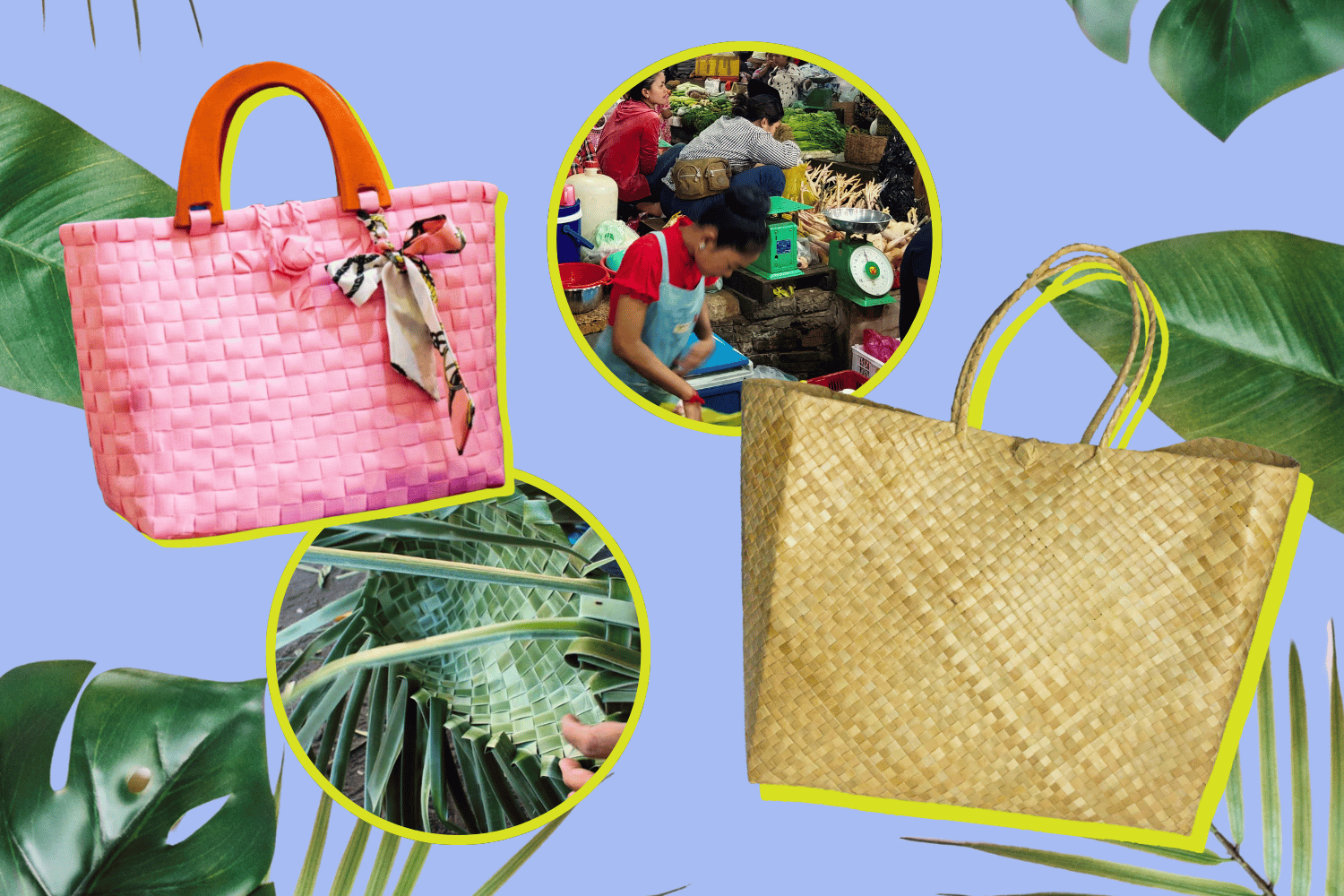
You step into the palengke with a bayong tucked under your arm. The fish goes in first, followed by leafy vegetables, a few kilos of rice, ripe mangoes, and fresh bread. The bag stretches but never tears.
When you get home, you rinse it, leave it under the sun to dry, and use the same bag again on your next market trip. No pile of crumpled plastic bags. No overflowing trash bin. Just one sturdy bag doing what it has always done.
Today, that simple routine has become surprisingly rare.
The humble bayong is more than just a nostalgic symbol of old-fashioned market days. It is one of the most practical and sustainable alternatives to single-use plastic bags ever developed. Generations of Filipinos practiced a zero-waste lifestyle without even realizing it, relying on woven bags made from buri, pandan, abaca, or rattan for everyday shopping.
Every time someone chooses a bayong over a disposable plastic bag, they prevent another piece of plastic from entering the waste stream. A typical plastic shopping bag may be used for only a few minutes before being discarded, yet it can remain in the environment for centuries. In contrast, one sturdy bayong can serve its owner for years, replacing hundreds—if not thousands—of disposable bags over its lifetime.
That difference matters.
Plastic bags do not simply disappear after they are thrown away. They eventually break down into tiny microplastics that contaminate soil, rivers, and oceans, where they can be ingested by fish, wildlife, and ultimately humans. Traditional bayongs, on the other hand, are made from natural plant fibers that decompose without leaving behind toxic residues.
The bayong also proves that sustainability does not have to sacrifice durability. Designed for busy market days, it can carry kilos of vegetables, rice, fish, meat, and fruits without easily tearing. While a plastic bag often gives way under heavy weight, a properly woven bayong becomes even more dependable with regular use.
Another advantage is its circular life cycle. Traditional bayongs are crafted from renewable materials harvested locally, often by artisans using weaving techniques passed down through generations. Their production requires far less energy than manufacturing plastic bags, which depend on fossil fuels and industrial processing. When a woven bayong finally reaches the end of its useful life, it naturally decomposes instead of remaining in landfills for generations.
Even maintenance is simple. A bayong can be rinsed after carrying fish or meat, dried under the sun, and used again. Instead of reaching for fresh plastic bags every shopping trip, one reusable bag can safely serve countless visits to the market.
Modern versions have also emerged. Across many public markets, woven plastic-strip bayongs have become increasingly common. While these are not biodegradable, their exceptional durability still offers an environmental advantage because they are reused repeatedly instead of being discarded after one trip. One bag that lasts for years is still far better than hundreds of flimsy plastic bags that quickly become trash.
Reviving the bayong is not simply about bringing back a familiar Filipino icon. It is about rediscovering a practical solution to one of today’s biggest environmental problems. The Philippines has always had a culture of reusing, repairing, and making things last. The bayong is proof that sustainable living is not a foreign concept—it has always been woven into Filipino life.
The next time you head to the grocery or the palengke, consider leaving the plastic behind. A bayong may look like a bag from the past, but it might just be one of the smartest choices for the future.
READ:
Filipino content creator turns everyday items into high-fashion outfits
Julia Escarez
July 25, 2026
Centuries-old weaving finds a bigger place in modern fashion
John Lloyd Aleta
July 30, 2026
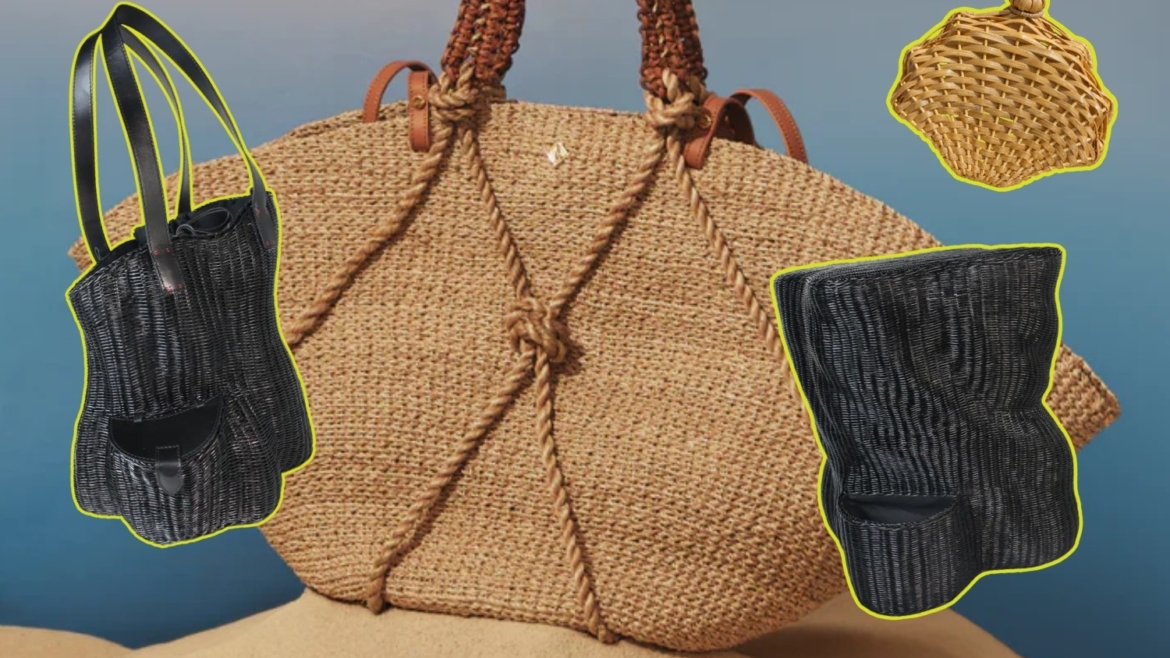
Elevated bayongs or baskets could be the luxury accessory that Filipino designers can truly rule
radar Lifestyle
April 23, 2026