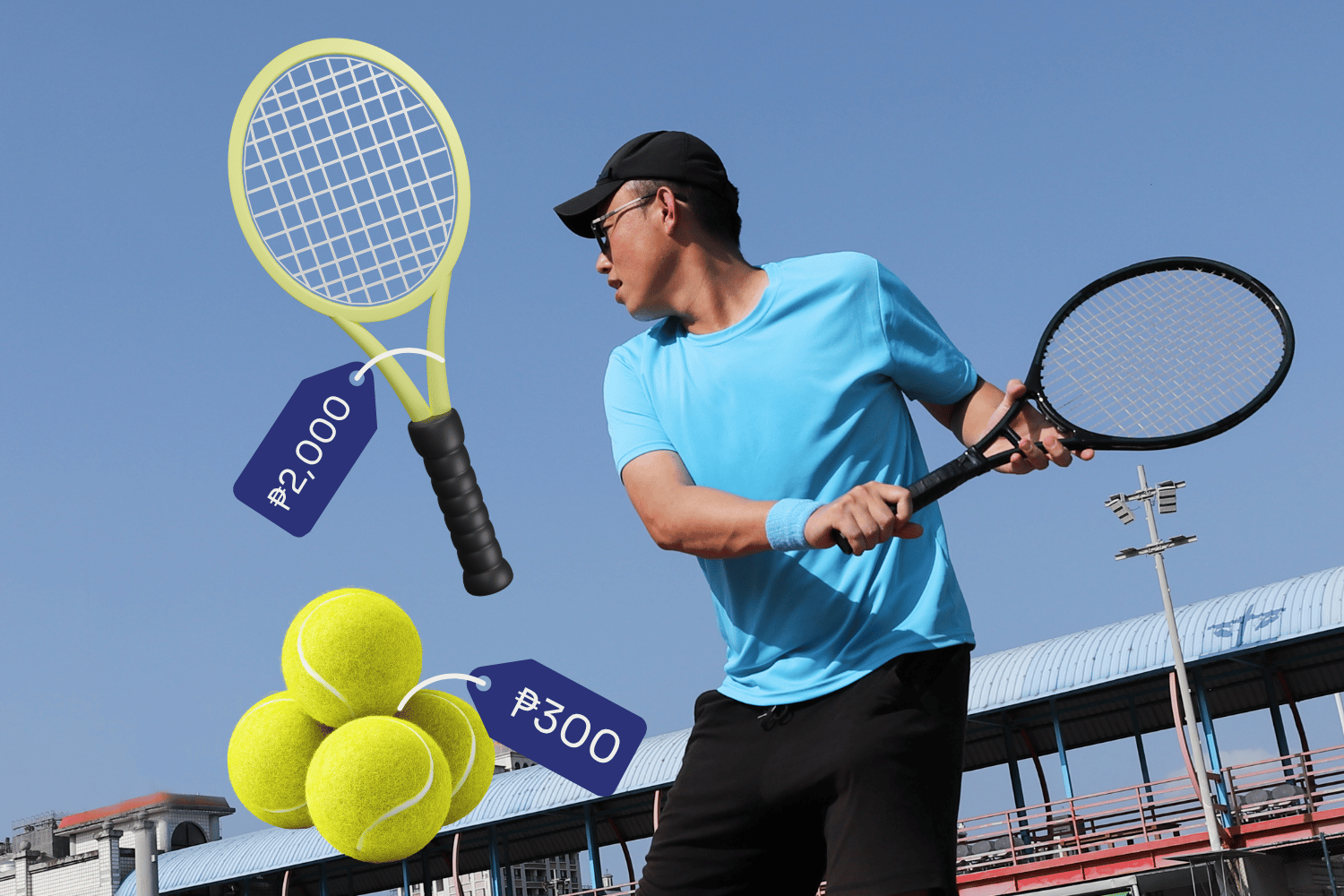
You need less than ₱10,000 to get started.
The day after Alex Eala made history by becoming the first Filipino to win a WTA Tour singles title, something unexpected happened. Tennis courts around the country suddenly became the topic of conversation. Social media filled with people asking the same questions: “Where can I play?” “Do I need to join a country club?” and perhaps the biggest one of all: “Magkano ba ang kailangan para mag-start?”
For many Filipinos, tennis has long carried the reputation of being an expensive sport reserved for exclusive clubs and affluent families. But that perception is only partly true. While elite tennis can indeed cost a fortune, learning the game in the Philippines is far more affordable than many people realize.
If you’re inspired to pick up a racket after Alex Eala’s breakthrough, here’s what you can expect to spend.
You don’t need a country club
One of the biggest misconceptions about tennis is that you need an expensive club membership.
In reality, many cities and municipalities have public or barangay tennis courts where court rental costs only around ₱50 to ₱150 per hour. Some universities, subdivisions, and community sports complexes also allow non-members to use their courts for a modest guest fee.
If you prefer covered or premium facilities, commercial courts generally charge around ₱300 to ₱800 per hour, depending on the venue and whether you’re playing indoors or at night.
Your biggest expense is the gear
The good news is that beginner equipment doesn’t have to be professional-grade.
A decent entry-level tennis racket costs around ₱1,200 to ₱2,500, while a can of tennis balls sells for roughly ₱250 to ₱350.
The item worth spending on is your footwear. Tennis involves constant side-to-side movement, so proper court shoes are much safer than ordinary running shoes. Expect to spend around ₱1,500 to ₱3,000 for a reliable beginner pair.
All in all, your initial equipment budget can range from about ₱3,000 to ₱6,000, depending on the brands you choose.
The “pulot” is a filipino tennis secret
One thing that makes learning tennis in the Philippines unique is the presence of the pulot—the resident ball boy or girl found in many local courts.
Aside from collecting stray balls, many of them are surprisingly skilled players who can rally with beginners or feed balls during practice.
Most charge only around ₱100 to ₱200 per hour, plus a tip, making them one of the most affordable ways to improve your game.
Coaches are more affordable than you think
If you’re serious about learning proper technique, nearly every established tennis court has resident coaches.
Private beginner lessons typically cost around ₱300 to ₱600 per hour, excluding court rental. Learning the correct grip, footwork, and swing mechanics early can prevent bad habits that are difficult to fix later.
Better yet, you can split the coach’s fee with a friend and learn together.
So how much does your first tennis day cost?
If you’re starting from scratch and buying your own equipment, expect your first day of tennis to cost roughly:
- Basic gear: ₱3,000–₱6,000
- Court rental: ₱50–₱150
- Coach: ₱300–₱600
- Pulot: ₱100–₱200
That brings your total first-day investment to roughly ₱3,500 to ₱7,000.
After you’ve bought your racket, shoes, and balls, succeeding sessions become much cheaper. A typical practice with court rental, coaching, and a pulot can cost as little as ₱500 to ₱900, especially if you split expenses with a playing partner.
The Alex Eala effect
Every great Filipino athlete has inspired a generation to try their sport. Manny Pacquiao packed boxing gyms. Hidilyn Diaz boosted interest in weightlifting. Carlos Yulo introduced more children to gymnastics.
Alex Eala may now be doing the same for tennis.
The biggest barrier may no longer be cost, but simply taking the first step. With public courts, affordable coaching, and an active tennis community across the country, the sport is far more accessible than its exclusive image suggests.
For many Filipinos who spent the last few days cheering in front of their screens, the next rally might not be happening in Washington or Wimbledon—but on a neighborhood court, racket in hand, inspired by the country’s newest tennis superstar.
READ:
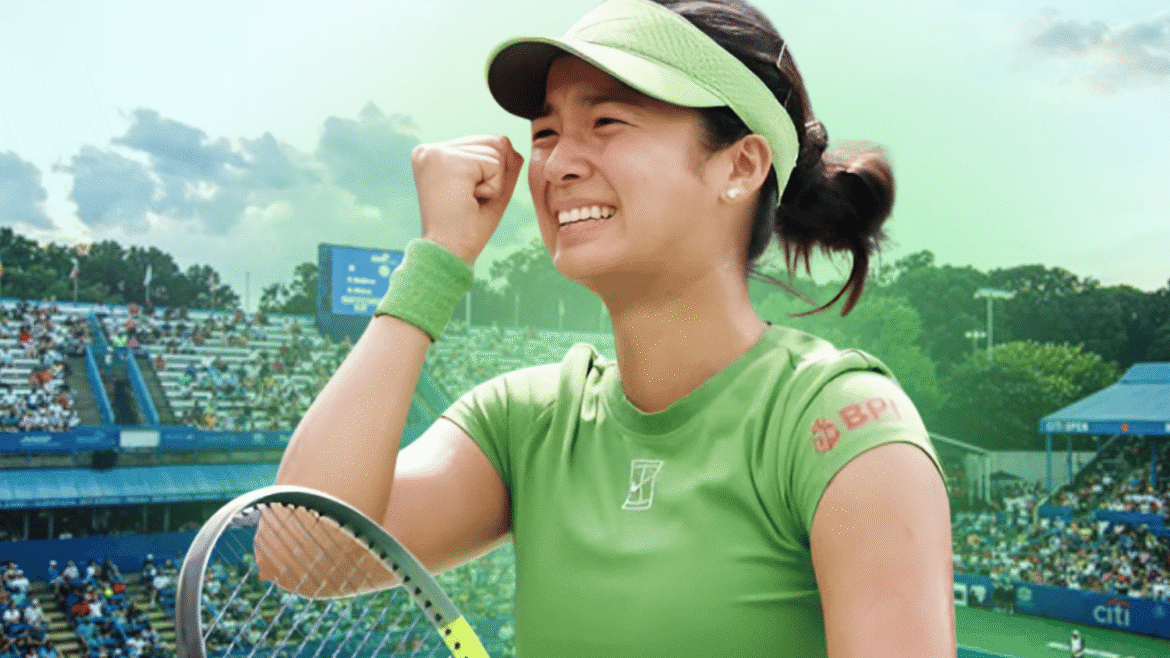
BREAKING NEWS: Alex Eala climbs to a new career-high No. 24 in the live WTA rankings
Top Dagohoy
August 2, 2026
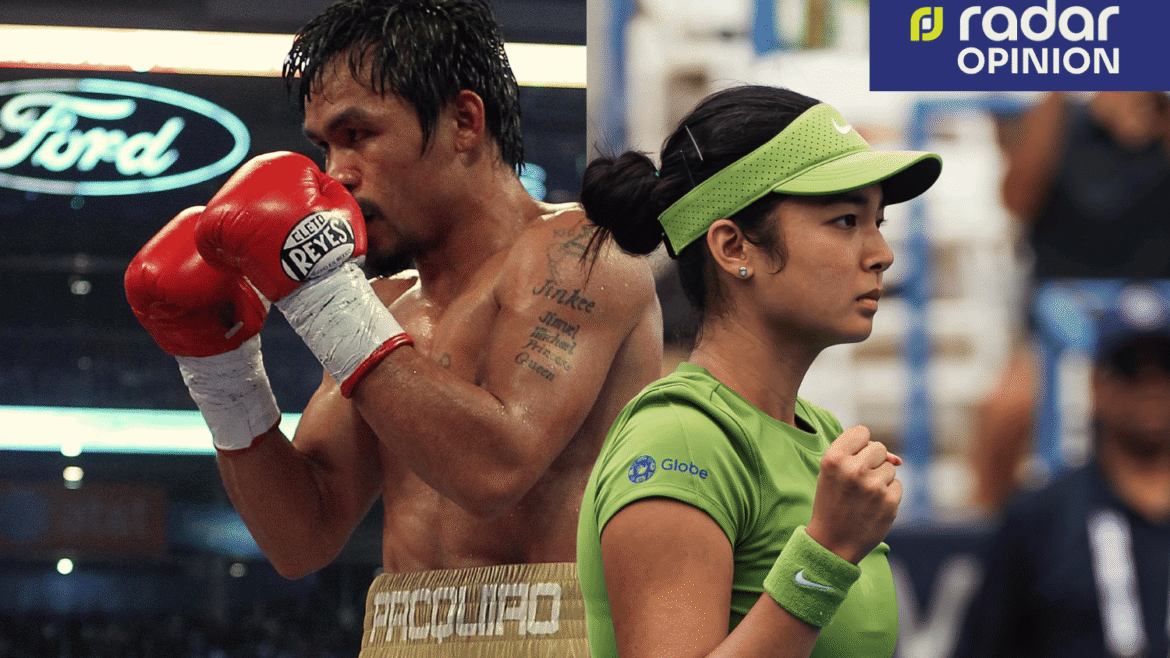
OPINION: Is Alex Eala the new Manny Pacquiao?
Top Dagohoy
August 4, 2026
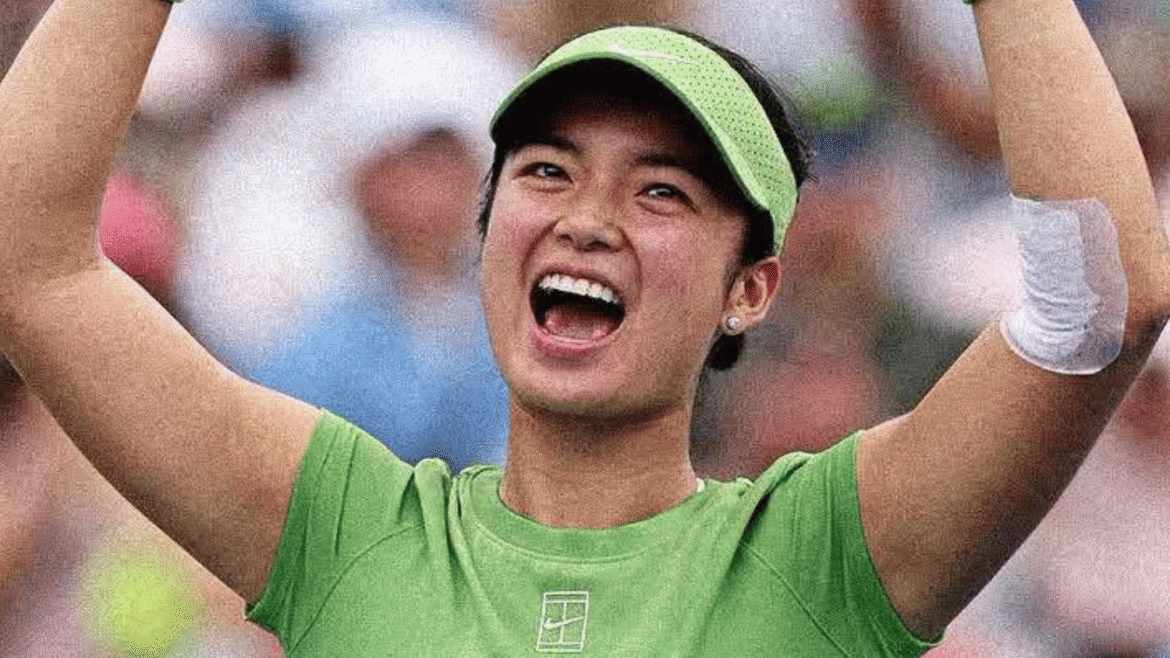
BREAKING: Alex Eala becomes the first Filipino to win a WTA Tour singles title
radar Lifestyle
August 4, 2026