Renewable energy investments are growing, but transmission upgrades and smarter planning will determine whether cheaper and more reliable electricity reaches Filipino consumers and businesses.
The Philippines may have the renewable energy resources needed to build a cleaner power system, but the next challenge is making sure the country’s electricity network can deliver the benefits to the people and businesses that need them.
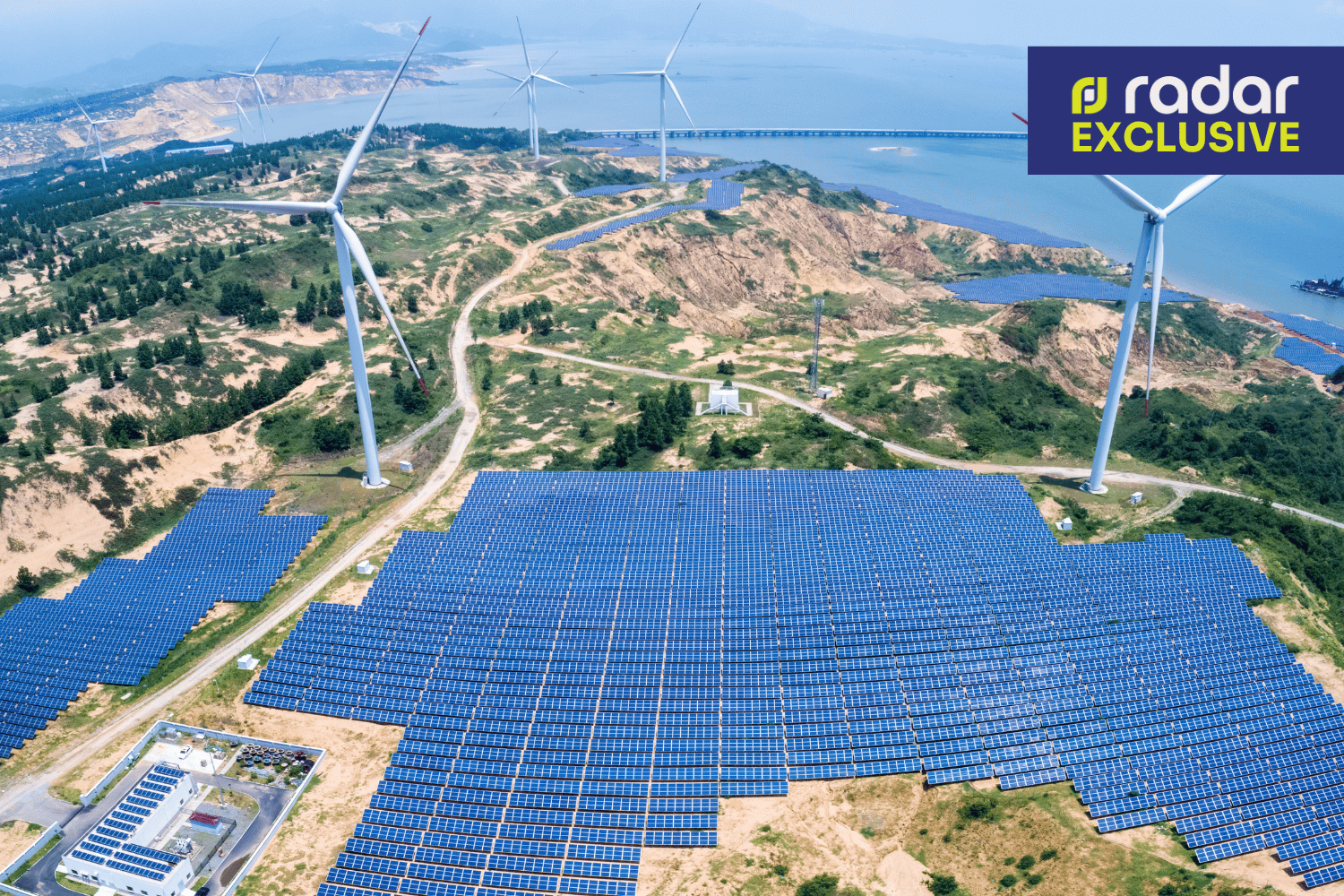
More solar and wind projects are entering the pipeline, supported by government auctions and growing investor interest. But without a stronger transmission system, better grid management, and clearer planning, the country risks struggling to connect these new sources of power to consumers.
TransitionZero, a climate tech nonprofit focused on energy planning software, said the country’s ability to modernize its grid will be critical in determining whether its clean energy ambitions translate into more affordable and reliable electricity.
“Transmission and system flexibility are the biggest obstacles, but also the biggest opportunities,” Isabella Suarez, head of engagement for Southeast Asia at TransitionZero, told radar Business.
The organization’s Scenario Builder platform allows governments, regulators, and investors to model energy scenarios, including generation planning, transmission needs, and cross-border electricity trade. The platform currently supports 16 countries, including all 10 ASEAN member states.
Renewable growth needs a stronger grid
Suarez said the Philippines has made progress in building the foundation for renewable energy growth, citing the country’s renewable energy law, competitive electricity market, ancillary services market, and Green Energy Auction Programme.
The challenge now is ensuring infrastructure keeps pace with new investments.
“The Philippines has genuine strengths, but it is carrying some notable structural constraints,” Suarez said.
Among these challenges is the country’s fragmented power grid across thousands of islands, which limits how much variable renewable energy the system can absorb. Transmission development has also struggled to keep up with the pace of new renewable projects, creating delays in connecting generation capacity to the grid.
The issue has direct implications for businesses and consumers. Electricity costs remain a major factor in investment decisions, with companies needing reliable and predictable power prices to manage operations.
The Philippines continues to face some of the highest electricity rates in Southeast Asia, partly due to its reliance on imported coal and liquefied natural gas. These expose consumers and businesses to global fuel price swings, while long-term supply contracts can limit flexibility as cheaper renewable options become available.
TransitionZero said the country’s clean energy transition will require more than adding renewable capacity. It will need investments in transmission, storage, and market rules that allow the grid to handle a larger share of renewable power.
“Variable renewables need adequate storage, flexible backup, and smarter grid operations,” Suarez said. “This is different from the baseload planning we have been accustomed to in the past, but it is very much the future.”
Investment is coming, but execution remains a test
The push for a more interconnected power system is also gaining attention across Southeast Asia. The ASEAN Power Grid aims to allow countries to share electricity resources, helping nations tap renewable energy sources beyond their own borders.
For the Philippines, regional electricity trade remains a longer-term opportunity. Its geography as an archipelago makes direct connections with neighboring countries more challenging, although improving domestic links between Luzon, Visayas, and Mindanao could already strengthen renewable integration.
Opening the energy sector to more foreign investment has helped attract interest, particularly in capital-intensive projects such as offshore wind. But TransitionZero said ownership reforms alone will not remove the other barriers facing developers.
Permitting delays, regulatory complexity, and uncertain grid connection timelines continue to affect project costs and investor confidence.
The country’s energy transition, therefore, will not only be measured by how many renewable projects are built. The bigger test will be whether the electricity system can turn those investments into lower costs, fewer disruptions, and a more competitive environment for Filipino businesses.
The Philippines has the resources and investor interest to build a cleaner power future. The challenge now is building the infrastructure and systems needed to make sure the benefits reach the consumers and companies counting on them.
READ:
SM Supermalls turns mall energy strategies into practical home-saving tips
radar Business
May 18, 2026

About a third of 7-Eleven stores move to renewable energy
John Lloyd Aleta
May 23, 2026
‘White hydrogen’ in Zambales could become the world’s cheapest clean energy
John Lloyd Aleta
July 27, 2026