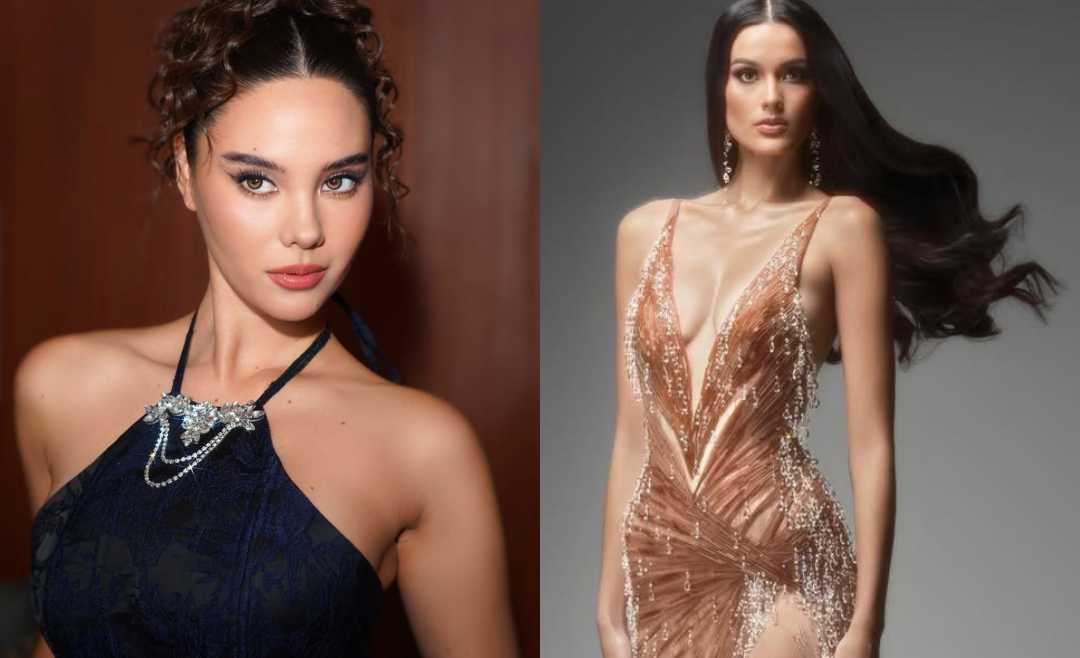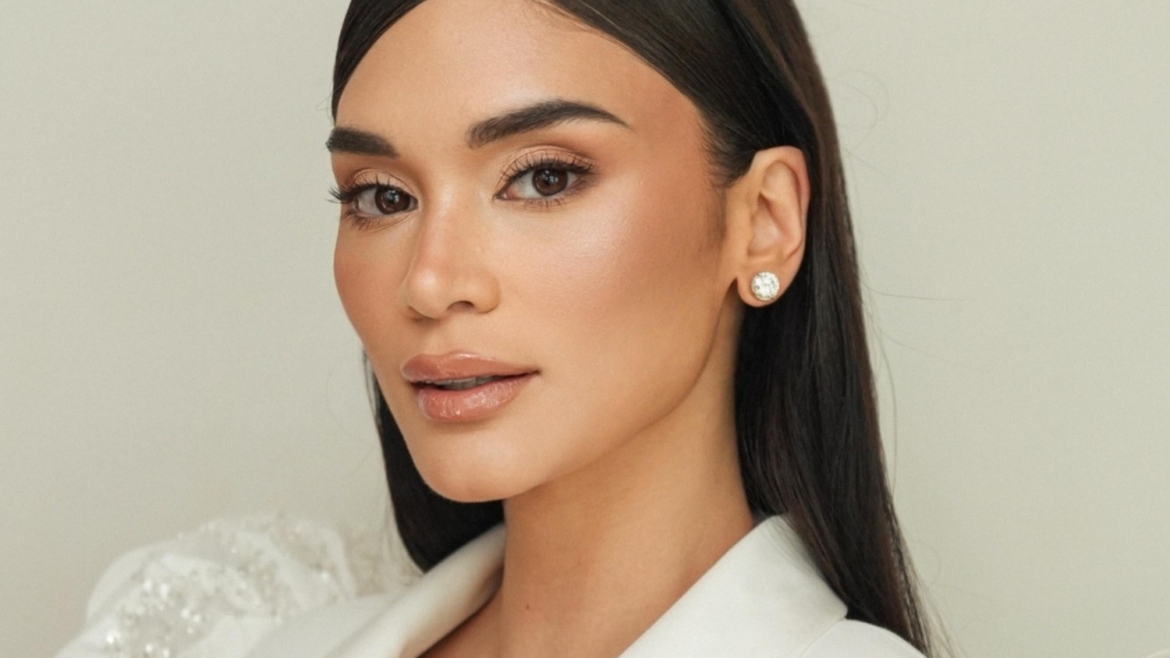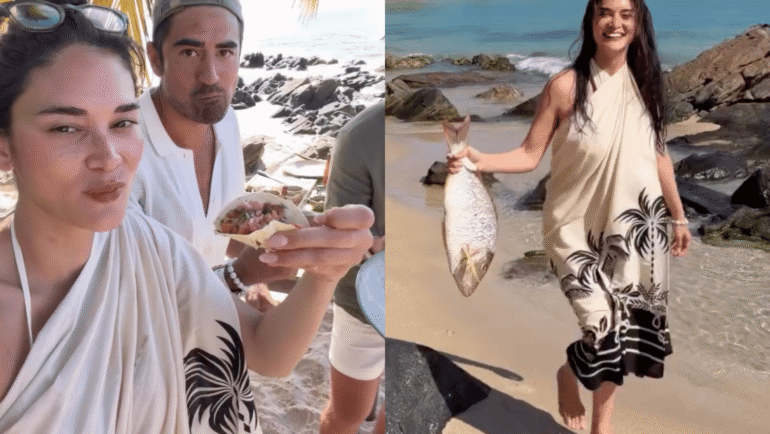
Joy Barcoma, Ayn Bernos and MJ Lastimosa show why a queen’s real work begins when the crown comes off.
There is something poetic about a beauty queen’s final walk.
The lights dim as the music slows. The audience rises as a woman, once crowned at the peak of her journey, takes one last walk before passing her title to the next queen. It is meant to be a goodbye—a tradition that tells us her reign has come to an end.
For years, we’ve accepted that image as the closing chapter. But maybe we’ve been looking at it the wrong way.
Because the work of a queen doesn’t end when the lights go out. Hunger doesn’t wait until the next pageant season. Communities don’t stop rebuilding after disasters. Young girls don’t suddenly learn to love the skin they’re in because a crown has changed hands.
Life goes on. And for women who truly understand what it means to hold a platform, so does the responsibility that comes with it.
When the crown comes off, the purpose remains
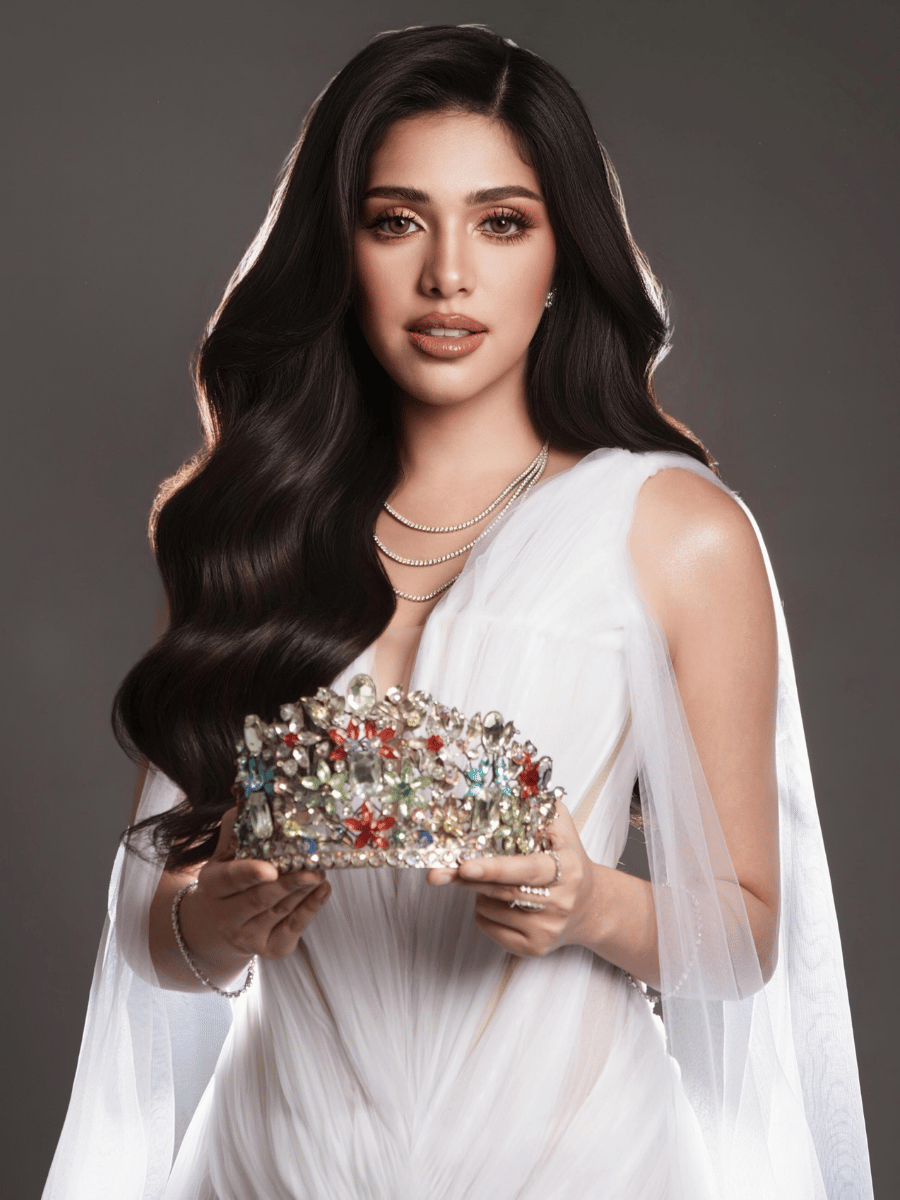
Perhaps no one embodies this idea more literally than Joy Barcoma.
Unlike most beauty queens, Barcoma never got the chance to take a final walk. Her stint with Miss Earth ended in controversy after she publicly criticized the government’s response to national issues—an act many believe cost her the farewell every reigning queen is expected to have.
But if losing a final walk meant staying true to the people she wanted to serve, she has made it clear she would choose the latter every single time.
“Tayo ang boses. Tayo ang bayan. Tayo ang kapangyarihan. If what I did cost me the crown, I would gladly lose it over and over again. Mas pipiliin ko pang mawala ang korona kaysa mawala ang puso ko para sa tao.”
Today, her work spans disaster resilience, sustainable development, climate action, youth empowerment, mental health, and HIV prevention—proof that courage is sometimes more valuable than a crown.
That commitment was evident during “Because She Can,” a movement championing women’s health and independence, where Barcoma joined Ayn Bernos and MJ Lastimosa in urging women to learn about cervical cancer prevention, HPV vaccination, and regular screening.
For Barcoma, advocacy starts with making people feel safe. “I try to normalize these conversations… I want to be a safe space for others. When we create safe spaces, conversations like these can thrive.”
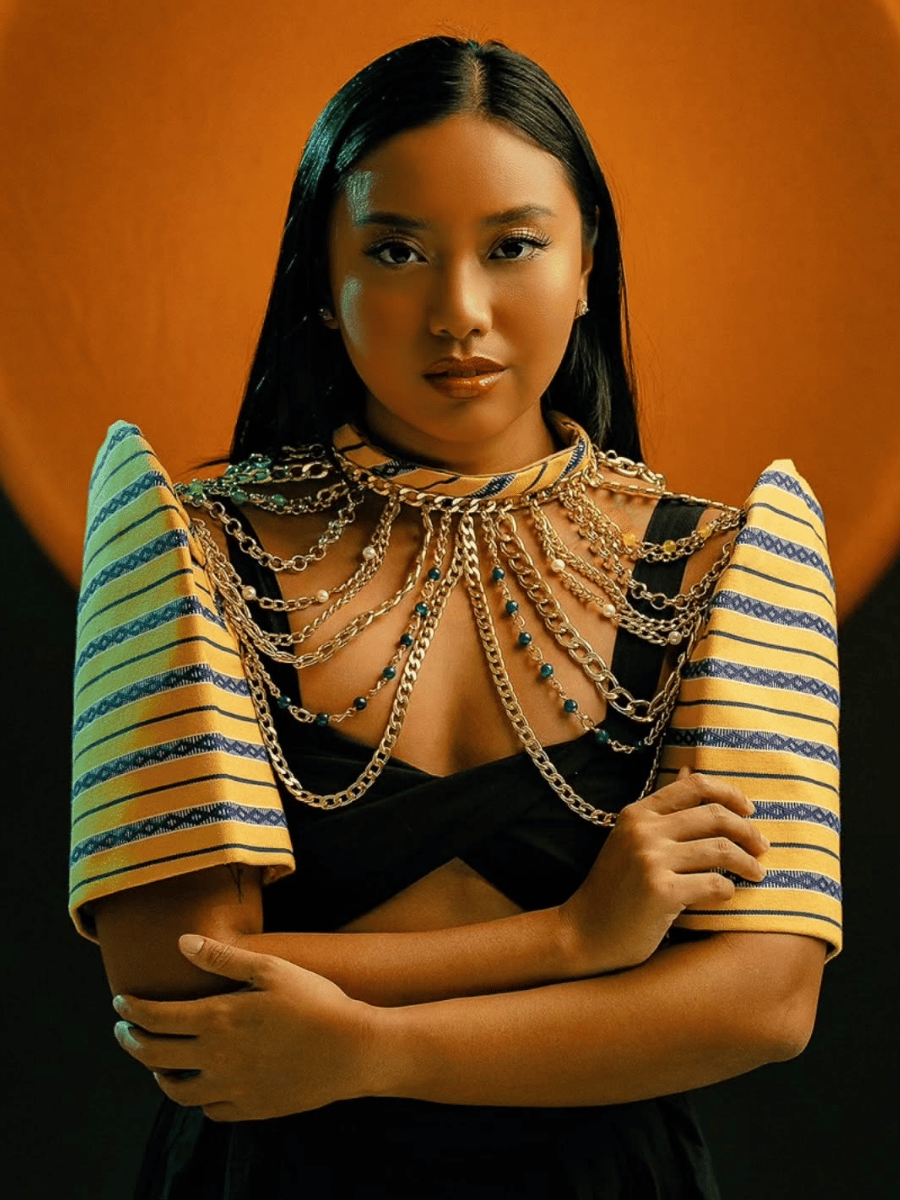
For Bernos, it starts with changing how women see themselves. Through “Morena the Label,” now a non-profit, she has challenged colorism while promoting self-love, women’s health, and body positivity.
At the event, she reminded women that empowerment begins with knowledge.
“Information alone is already a big step forward… The real power lies in taking action.”
Lastimosa, meanwhile, continues to use her platform beyond pageantry—from HIV awareness to speaking on social issues that affect ordinary Filipinos.
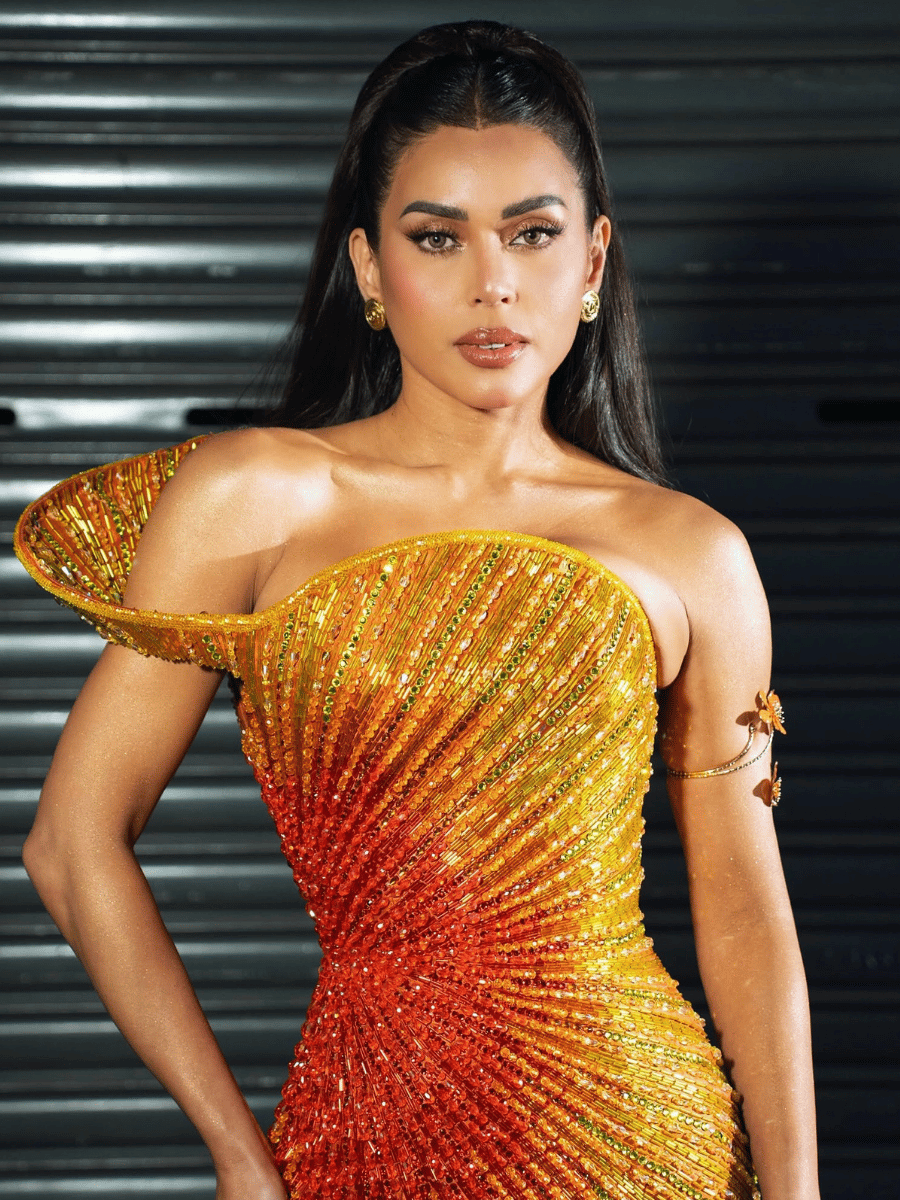
“Despite the expectation that a woman might not succeed in a male-dominated field, I persevered and excelled.”
At “Because She Can,” she reframed beauty as something deeper than appearance. “It is not just about how you look… Taking care of your future self begins now.”
Together, the three showed what a queen’s platform should become after the crown: not a title to remember, but a voice that continues to educate and empower.
The real reign begins after the applause

There is a reason some queens remain relevant long after they have surrendered their crowns. It is because they never stopped showing up.
Years after winning Miss Universe, Catriona Gray continues to champion education, underprivileged children, clean water access, HIV awareness, and Filipino indigenous communities.
“When we give girls the opportunity of an education and tell them their dreams are valid, that’s when we truly empower the generation to pursue a brighter tomorrow.”
She has often said that real advocacy begins by understanding the communities you serve—because empathy must come before influence.
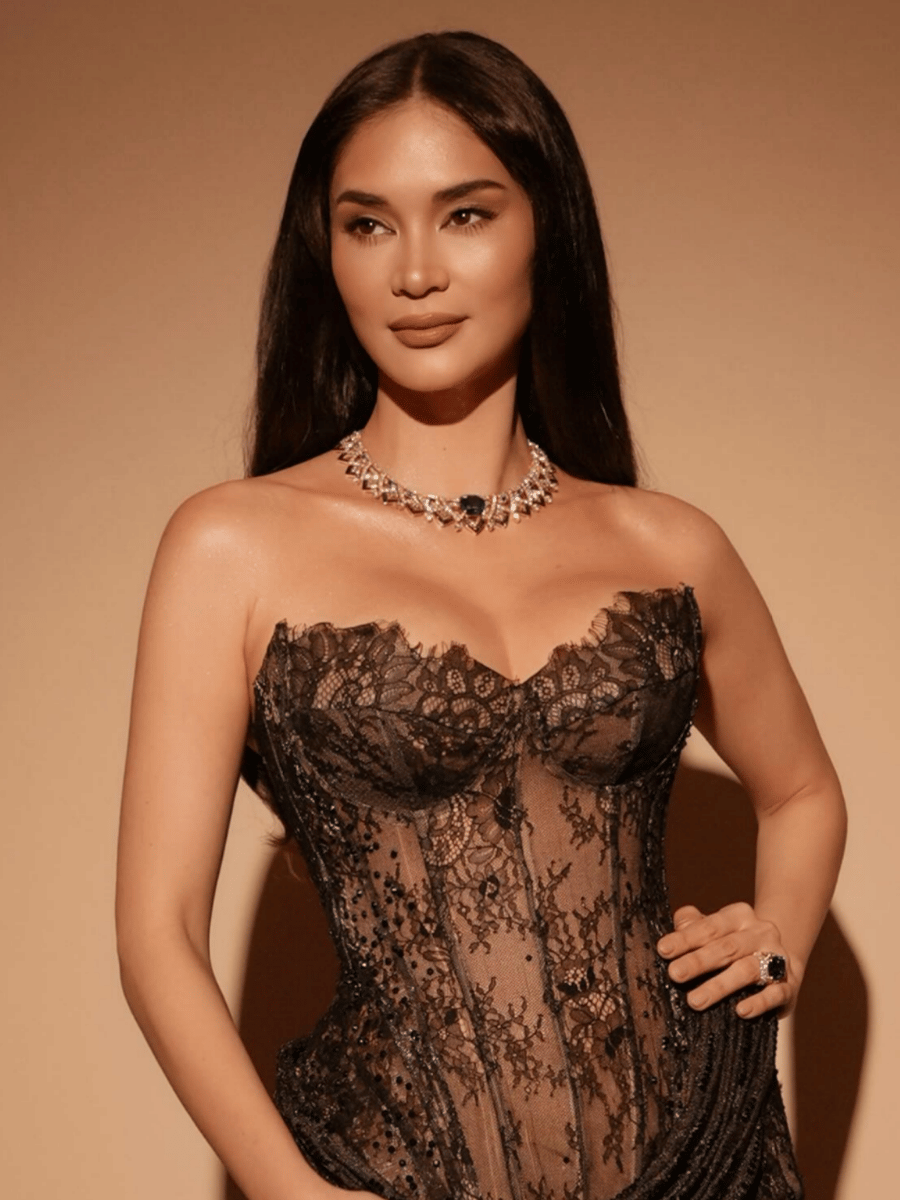
The same commitment can be seen in Pia Wurtzbach-Jauncey, whose decade-long work in HIV awareness has grown into broader conversations about equality, mental health, youth empowerment, and environmental sustainability.
“When you talk about HIV, it’s also equal rights, it’s also mental health, it’s also empowerment. I’ve been working on this for 10 years now.”
For Wurtzbach, healthcare, dignity, and human rights have always been inseparable.
Maybe there was never a final walk
Perhaps this is what separates a queen from a titleholder. A titleholder wears a crown. A queen carries its purpose long after it has been passed on.
Today, influence is often measured by views, followers, and viral moments. Advocacy asks for something much harder: consistency. It asks people to keep showing up when there are no judges left to impress and no cameras waiting at the finish line. That is what these women have done.
Some, like Barcoma, never even received the farewell walk tradition promised. Others completed theirs beneath bright lights and standing ovations. Yet all of them kept walking anyway.
Maybe the audience only sees the final walk because that’s where the pageant ends.
But the people whose lives have been touched by these women know the truth, that the most important steps happen after the stage is empty, when the applause has faded and the crown has become nothing more than a memory.
Because for a real beauty queen, the walk was never about the runway. It has always been about the road that comes after.