Science gives Filipinos another reason to look differently at the tanglad.
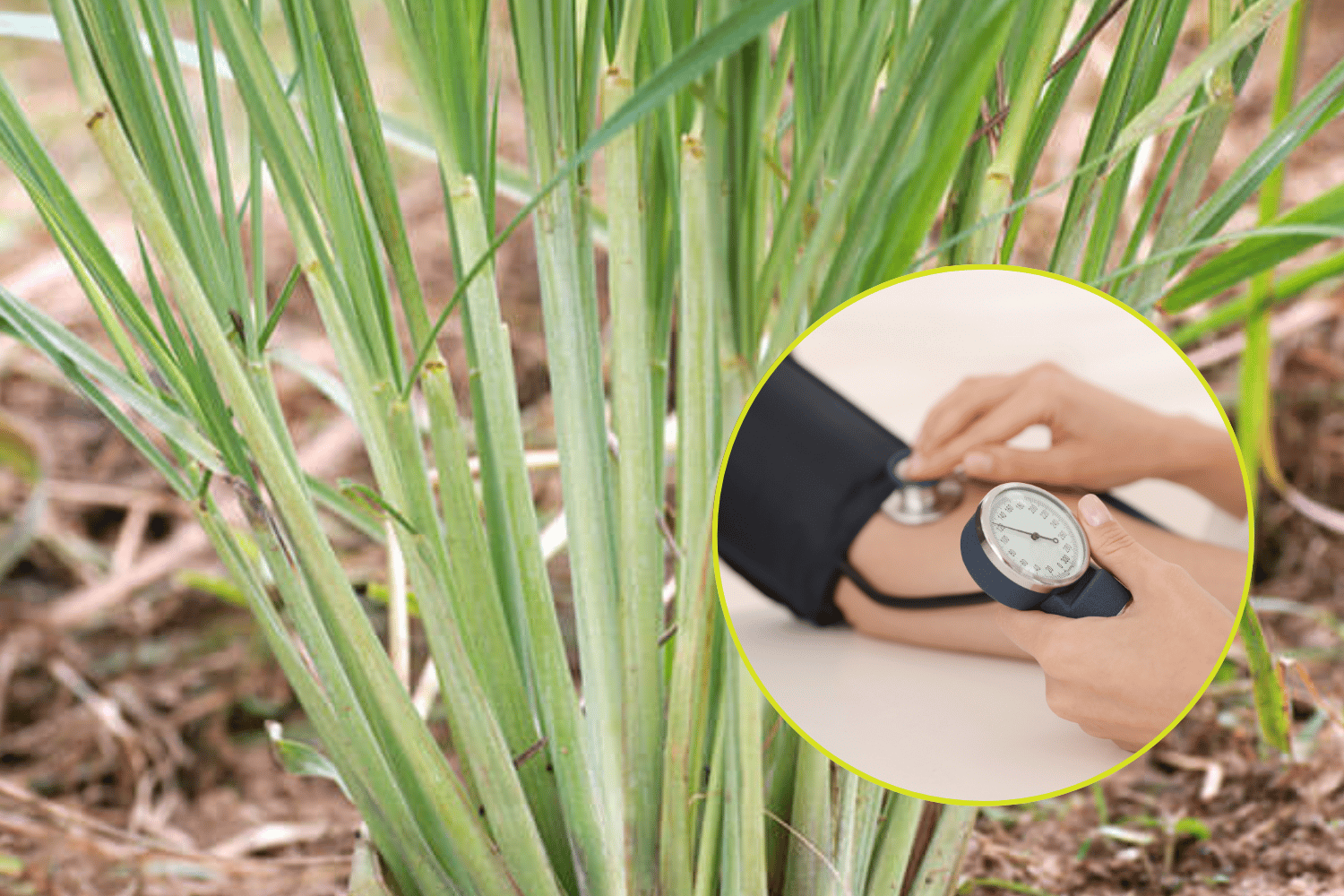
For many Filipino households, tanglad is something you throw into tinola, lechon or a steaming pot of herbal tea. But the familiar backyard plant may also have an effect on blood pressure, according to scientific and Philippine clinical research.
A comprehensive 2022 review published in the journal Biology and indexed by PubMed examined the antihypertensive potential of lemongrass (Cymbopogon citratus) and its major compound citral. Researchers found evidence from laboratory, animal and human studies that lemongrass can reduce blood pressure, although they stressed that further research is necessary.
One possible explanation is vasorelaxation. The review found that citral and lemongrass can promote the release of nitric oxide and other substances that help blood vessels relax while also affecting calcium channels in vascular smooth muscle. With vessels less constricted, blood can flow with less resistance.
Tanglad has also shown weak to moderate diuretic activity in humans and animals. By increasing urine production, diuretics can help the body eliminate water and sodium, potentially contributing to lower blood pressure. Researchers have also observed effects of citral on heart rate that may involve the parasympathetic nervous system.
There is Philippine evidence, too.
A 2025 randomized controlled trial at Quezon City General Hospital studied lemongrass capsules as an additional treatment for newly diagnosed hypertensive patients taking 50 mg of losartan. Patients receiving lemongrass alongside losartan recorded statistically significant improvements in several blood-pressure measurements compared with losartan alone during phases of the study. The research was published in The Filipino Family Physician.
An older Philippine study archived by the Health Research and Development Information Network, or HERDIN, involved 13 hypertensive adults who drank a tanglad decoction three times daily for 21 days. Researchers reported significant differences in both systolic and diastolic readings before and after the intervention. But its very small sample and one-group design mean the results should be interpreted cautiously.
Despite the promising findings, tanglad should not be treated as a substitute for prescribed hypertension medication. The 2022 Biology review noted that lemongrass’ safety profile needs to be better characterized and that more research is necessary to understand its antihypertensive compounds and mechanisms.
For now, the science gives Filipinos another reason to look differently at the humble tanglad growing in gardens and sold cheaply in markets. It may be more than an aromatic ingredient—but anyone with hypertension should still rely on proper blood-pressure monitoring and medical advice rather than replacing maintenance medication with a cup of tanglad tea.
READ: