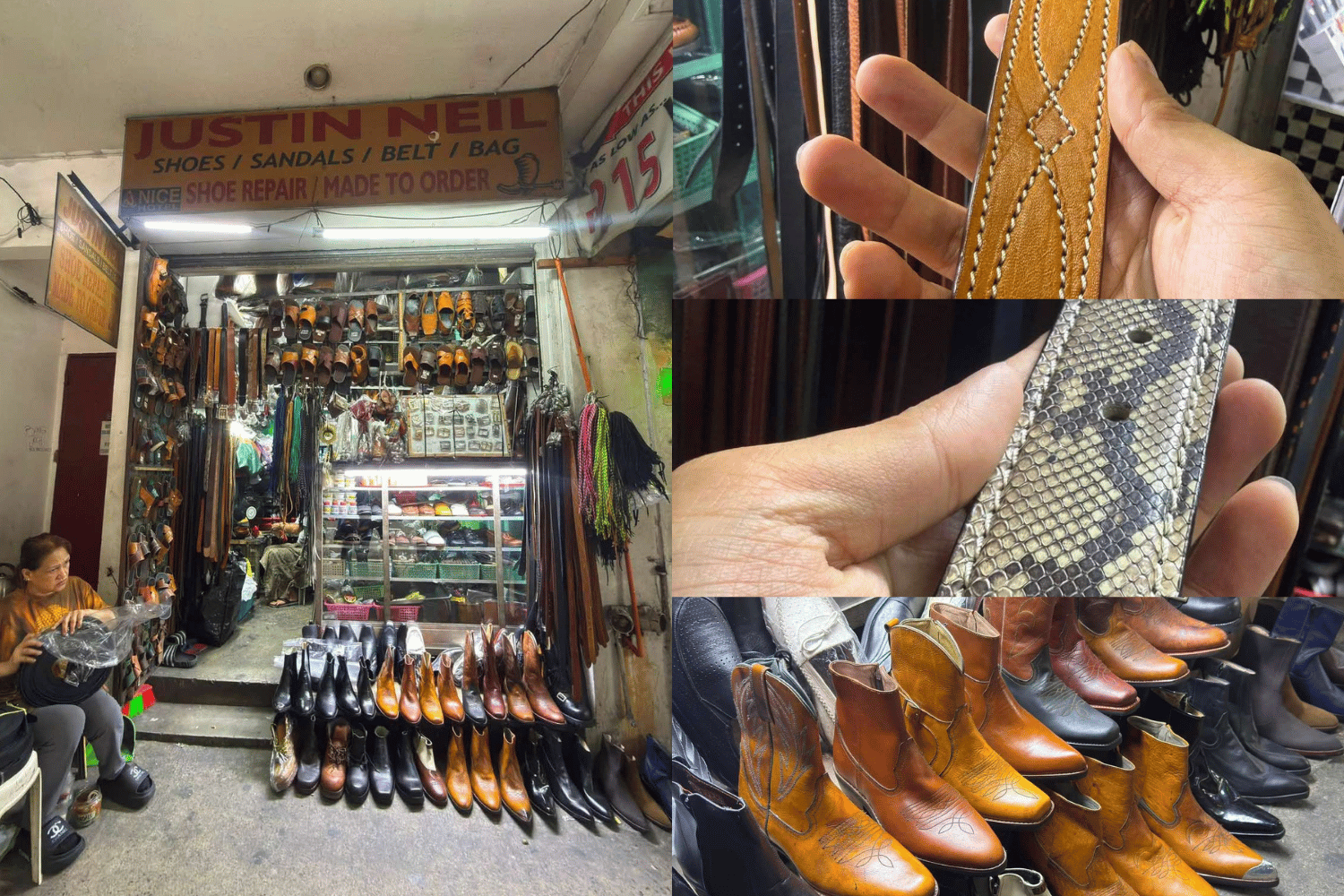
The owner’s sales pitch, according to Malgapu, was wonderfully straightforward: “Mauuna ka pa mapudpod kesa diyan.”
Malgapu says his own experience backs it up. His pair of brogues or spectators, bought in 2018, remains with him today.
“My pair of brogues/spectators has not only added to my style since 2018, but has also saved my life many times, especially during Habagat,” he wrote.
And Justin Neil isn’t merely repairing old shoes. Photos shared by Malgapu show rows of leather boots, brogues and cowboy boots in different shapes and finishes.
Getting a customized pair is refreshingly low-tech. Malgapu said customers simply step on bond paper and have the outline of their feet traced. Then they wait around three to five days for their shoes.
There is something almost defiant about that business model in 2026.
Fast fashion has trained consumers to buy cheaply, follow trends quickly and replace things just as quickly. Globalization and e-commerce have also given Filipinos easy access to inexpensive, factory-made footwear from around the world.
Yet shops like Justin Neil continue to survive because they offer something mass production struggles to replicate: customization, repairability and craftsmanship built around the individual customer.
Justin Neil also repairs worn-out footwear. Malgapu described bringing in shoes that have started to “talk”—when the soles begin separating after years of use—and having the shop’s craftsmen stitch them back together so they remain “shut.”
The shop carries other leather goods as well, including belts and wallets. Malgapu also noted what he described as snakeskin belts among its merchandise.
Justin Neil’s continued presence in Recto is a reminder that cheaper and faster do not always mean better.
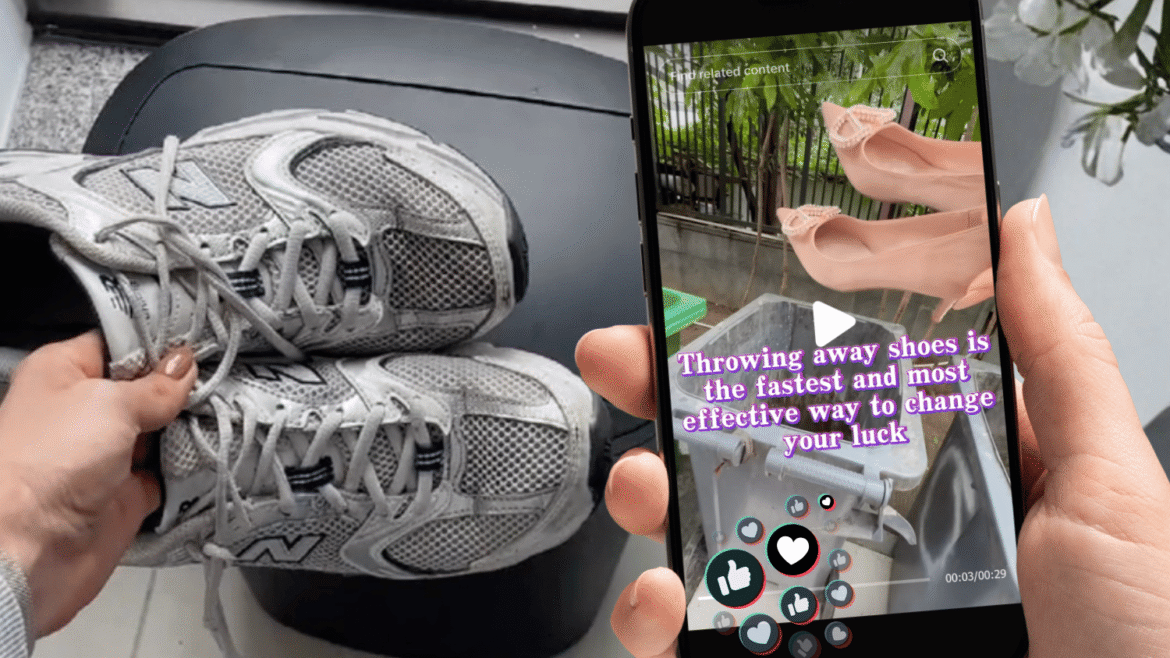
Sometimes the answer to a worn-out shoe isn’t to throw it away and buy another pair.
Sometimes you take it back to a craftsman—and let it walk again.
READ: