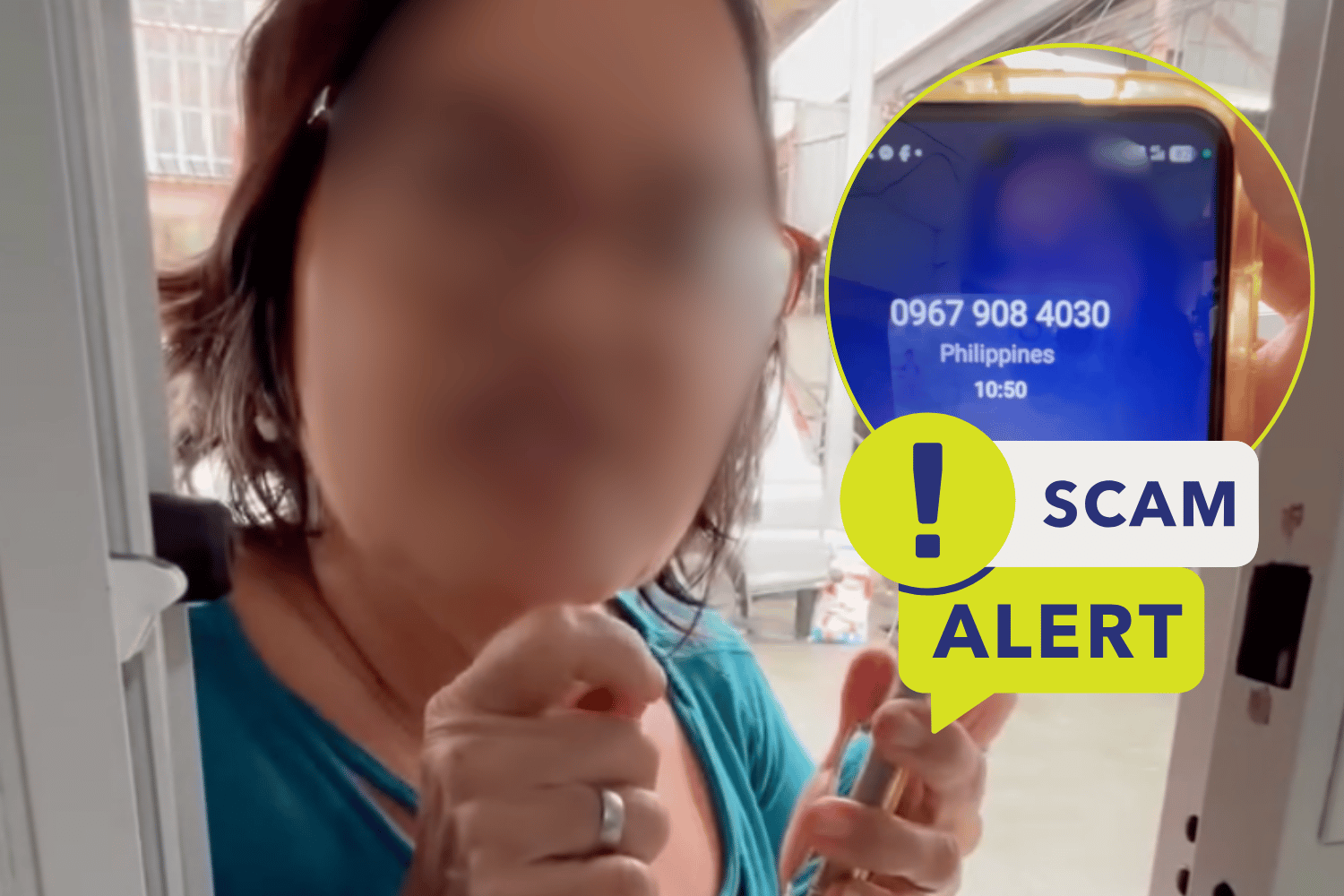
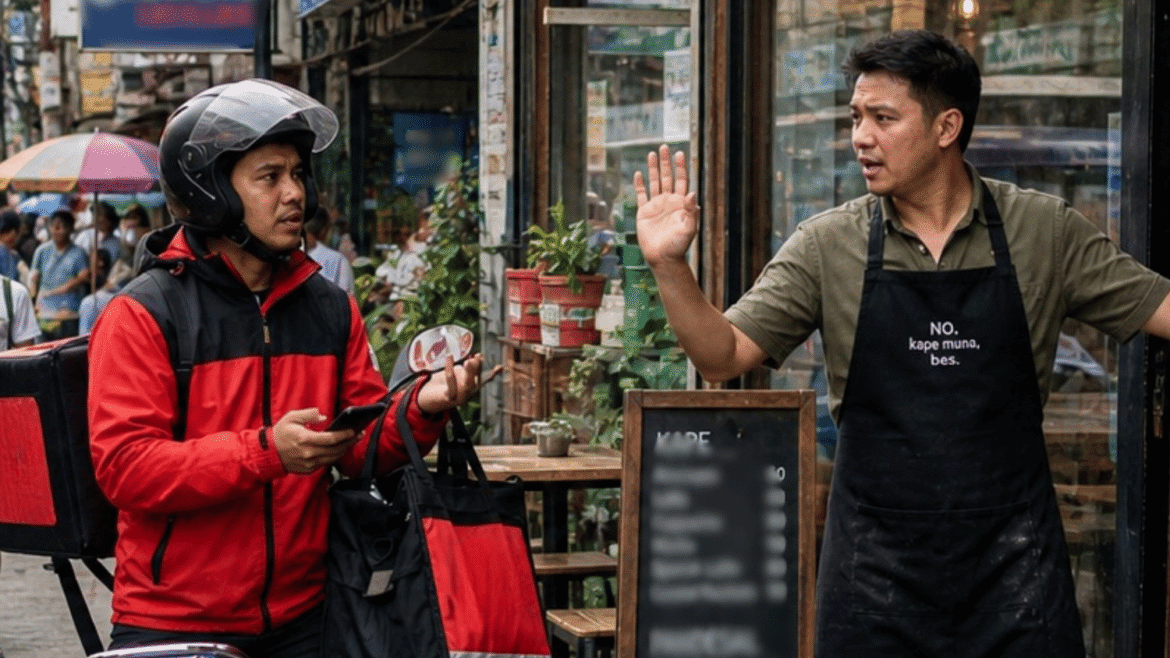
The male caller then asks Asajar to send ₱20,000 via GCash to a different number from the one displayed on the senior citizen’s phone. Asajar asks who will shoulder the payment, and the caller says that the senior citizen has the money, claiming that she is his mother. Asajar tells the senior citizen about the payment, but the lady appears to be unaware of the transaction.
Asajar warns the customer in the video that she was being scammed and calls out the scammer directly. The store owner has also shared other videos on her account showing similar experiences with scammers targeting senior citizens.
“Bago niya iabot sakin ‘yung cellphone, na-briefing na si nanay kung ano ang kanyang sasabihin at na-briefing na siya na kunwari magpakilala ‘yung mismong scammer bilang anak ni nanay,” Asajar said in a follow-up post.
She added that the scammer’s voice sounded familiar based on previous scam transactions at her store, so she immediately thought to take a video of the interaction. Asajar said the alleged scammer had attempted to get ₱40,000 from her store in previous incidents.
Some netizens expressed concern that the senior citizen may have been an accessory to the scam. Asajar said the woman came back to her shop the next day, which she said would have been unlikely if the woman had knowingly taken part in the scam.
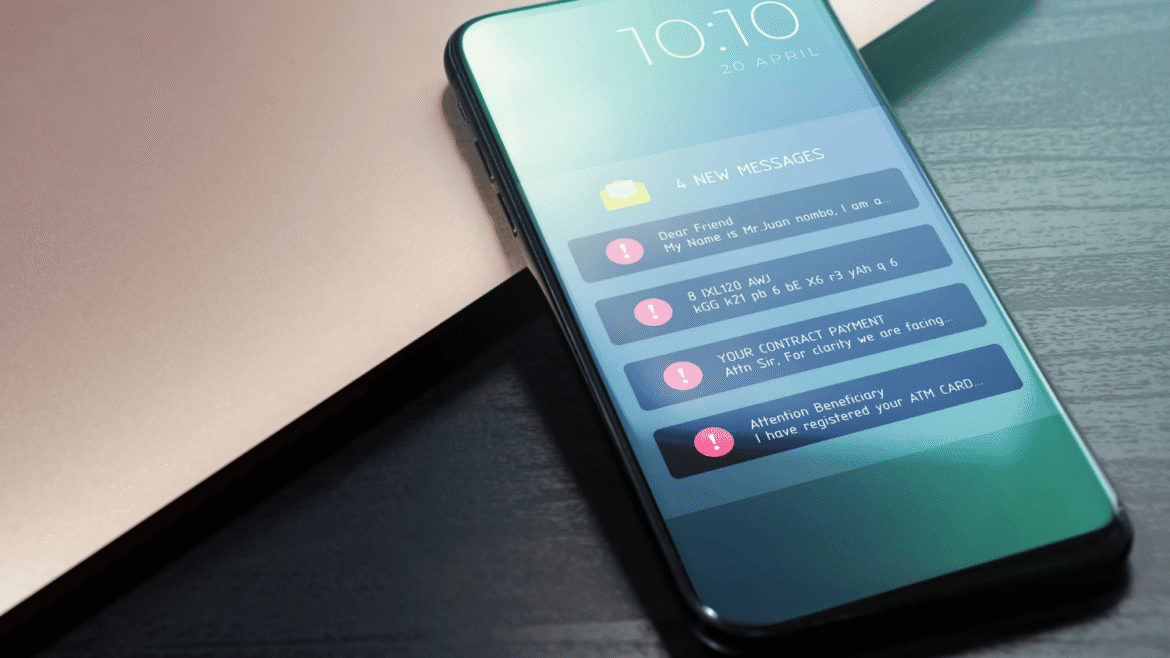
Other store owners have also shared similar experiences with senior citizens being instructed to make GCash transactions, only to be tricked into sending money to scammers. These owners have resorted to stricter security measures around GCash transactions to avoid scams.
“Dito sa amin, hindi na tumatanggap ng cash-out kapag di mismo yung tao na nasa harap nila yung pumipindot, walang cash out kapag galing sa ibang tao o ibang lugar,” said one commenter on Reddit.
“Ang gawin niyo, kunin niyo ‘yung number ng caller, kunin niyo ‘yung [GCash] number na binigay ni caller, tell them a scammer is using their number for scamming people (…) These scammers, they don’t use their own number for cash-out,” said another commenter.
Netizens have also resorted to spamming the scam caller’s number and posting it on various pages, in an effort to disrupt the scammer’s activities and warn others about the number.
Senior citizens are especially vulnerable to scams because many are unfamiliar with technology. Asajar encouraged netizens to guide elderly relatives and loved ones in navigating scams and practicing online safety.
READ: