Bench, Penshoppe, and Folden & Hung ruled before global fast fashion changed the mall.
It’s Saturday afternoon in 2005. You enter a packed mall in low-rise jeans and a graphic shirt. Bench has a huge celebrity campaign at the entrance. Penshoppe is filled with students. Folded & Hung is blasting music from its dark, club-like store. Oxygen is drawing shoppers with its urban, streetwear-driven style. Nearby are Kamiseta, Bayo, Human, Freeway and Tribal.
For young Filipinos, this was fashion.
The 2000s can arguably be called the golden age of Philippine mass-market retail fashion—and there are concrete reasons behind the claim.
The Big 3
Bench, Penshoppe and Folded & Hung emerged as three of the decade’s most visible homegrown fashion brands, while Oxygen became another major name in the era’s youth-oriented retail scene.
Bench, founded in 1987, had evolved from apparel into a lifestyle empire, selling underwear, fragrances, grooming products and accessories. Penshoppe, founded in Cebu in 1986, became a nationwide youth-fashion powerhouse. Folded & Hung, launched in 1998, captured the sexier, nightlife-driven aesthetic of the new millennium. Oxygen, meanwhile, built a strong following with its urban, contemporary take on casualwear.
But they were hardly alone.
Kamiseta and Bayo dominated feminine casualwear. Human offered edgier street fashion. Freeway appealed to fashionable young professionals, while Tribal became associated with the rock, skate and alternative scenes. Jelly Bean, Loop, Secosana and Rusty Lopez were also familiar mall names.
Local brands could afford global stars
Perhaps the strongest evidence of their power was whom they could hire.
Bench tapped Jerry Yan during the phenomenal popularity of Taiwanese group F4 and the television drama “Meteor Garden.” His appearance became part of Bench’s memorable “Bench Body” campaign, one of the brand’s most recognizable advertising moments of the era.
Kamiseta went even farther, featuring Hollywood star Alicia Silverstone and Australian pop star Natalie Imbruglia in its campaigns. Their appearances helped turn the brand’s advertisements into events in themselves.
These weren’t obscure foreign models. Philippine clothing companies were spending enough—and commanding enough attention—to put internationally famous faces on campaigns aimed at Filipino shoppers.
When fashion could fill an arena
Bench transformed advertising into spectacle.
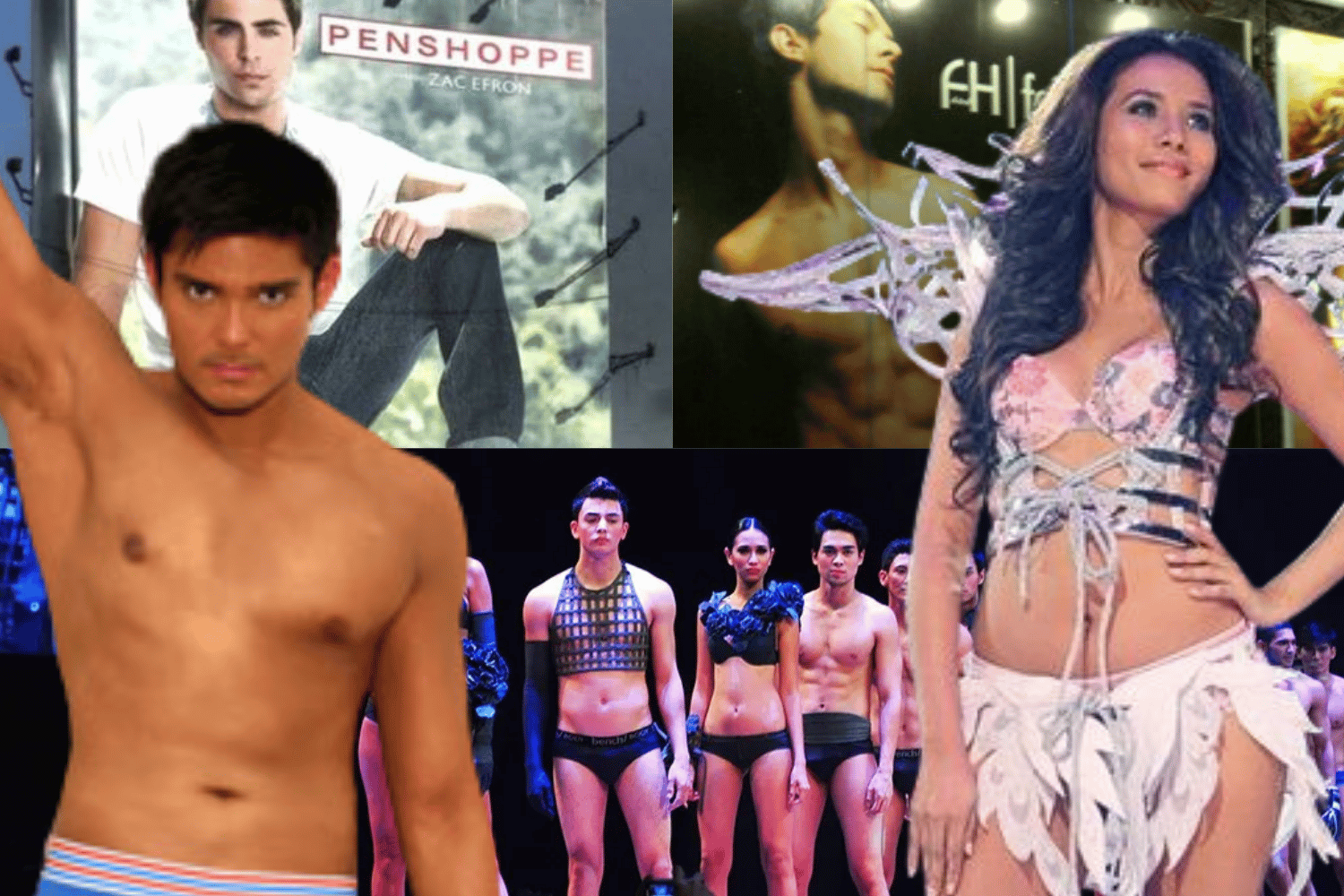
Its annual Bench fashion shows, particularly the “Bench Body” series, became massive celebrity events. Actors, models, athletes and singers appeared on the runway before huge audiences, making the shows as much a part of pop culture as a way to present new clothes.
Penshoppe also built its profile through high-visibility campaigns and celebrity endorsements, later bringing in international names such as Zac Efron, Kendall Jenner and Cara Delevingne. But in the 2000s, its local ambassadors and mall presence were already enough to make the brand a fixture of Filipino youth culture.
Folded & Hung, meanwhile, became known for its provocative “Illegally Low Jean” campaign, a memorable example of how local brands used bold, suggestive advertising to stand out in an increasingly competitive retail market.
Giant Bench and Penshoppe billboards turned EDSA into an unofficial fashion runway.
Before Instagram feeds, Filipinos had the highway skyline.
Retail stores themselves became experiences. Folded & Hung became memorable for its darker, club-like interiors, while Oxygen cultivated an urban retail identity. Brands increasingly sold not simply clothes but complete lifestyles.
Then the foreign giants arrived
One reason the 2000s stand apart is timing.
Many of today’s biggest international fast-fashion competitors had yet to enter the Philippine market. Forever 21 arrived in 2010, Uniqlo in 2012 and H&M in 2014. Zara was already present, but the flood of global chains that would transform Philippine malls had not yet happened.
Fast fashion brought enormous inventories, rapid trend cycles and global supply chains. Filipino labels that once primarily battled one another were suddenly competing against multinational giants.
Then came Instagram, e-commerce, TikTok and ultra-fast fashion, further fragmenting what Filipinos wore and where they bought it.
Bench, Penshoppe, Folded & Hung and Oxygen survived and evolved, while other local names became less dominant or disappeared from many shoppers’ regular mall routines.
That is why the 2000s deserve another look.
It was an extraordinary period when Filipino fashion brands could hire international stars, fill arenas through shows such as “Bench Body,” create memorable campaigns featuring Jerry Yan, Alicia Silverstone and Natalie Imbruglia, launch provocative campaigns such as Folded & Hung’s “Illegally Low Jean,” dominate EDSA and occupy some of the most desirable spaces in the country’s malls.
For a generation, you didn’t need a foreign label to look fashionable.
The biggest brands in the mall were ours.
READ:
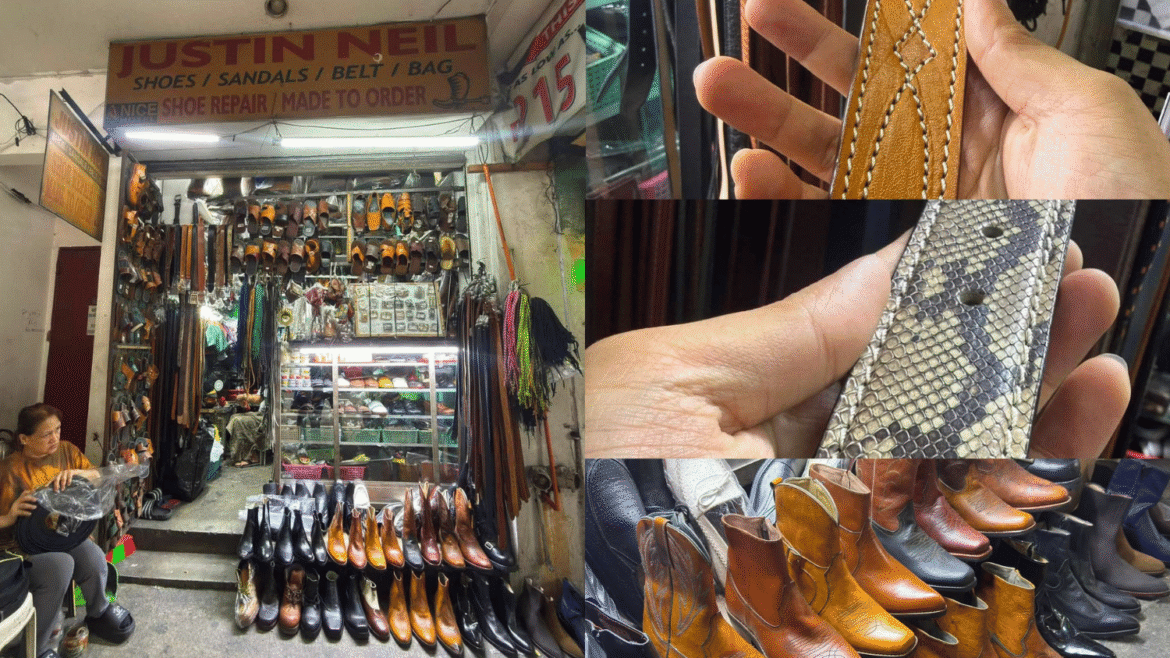
Justin Neil is an old-school Recto shoe shop surviving the fast-fashion era
Top Dagohoy
September 4, 2026

Michelle Dee champions Filipino fashion’s push onto global stage
Kiko Escuadro
August 14, 2026
Fashion icon Anna Wintour praises Alex Eala’s style ahead of the tennis star’s US Open campaign
Kiko Escuadro
August 26, 2026
Tags: Alicia SilverstoneBayoBench BodyBench/Cara DelevingnecebuEDSAF4fashionfast fashionFolded and HungForever 21FreewayGolden ABC IncorporatedHMHumanIllegally Low JeanJelly BeanJerry YanKamisetaKendall JennerLoopMeteor Gardenmetro manilaNatalie ImbrugliaOxygenPenshoppephilippinesRetailRusty LopezSecosanaSuyen CorporationTribalUniqloZac EfronZara