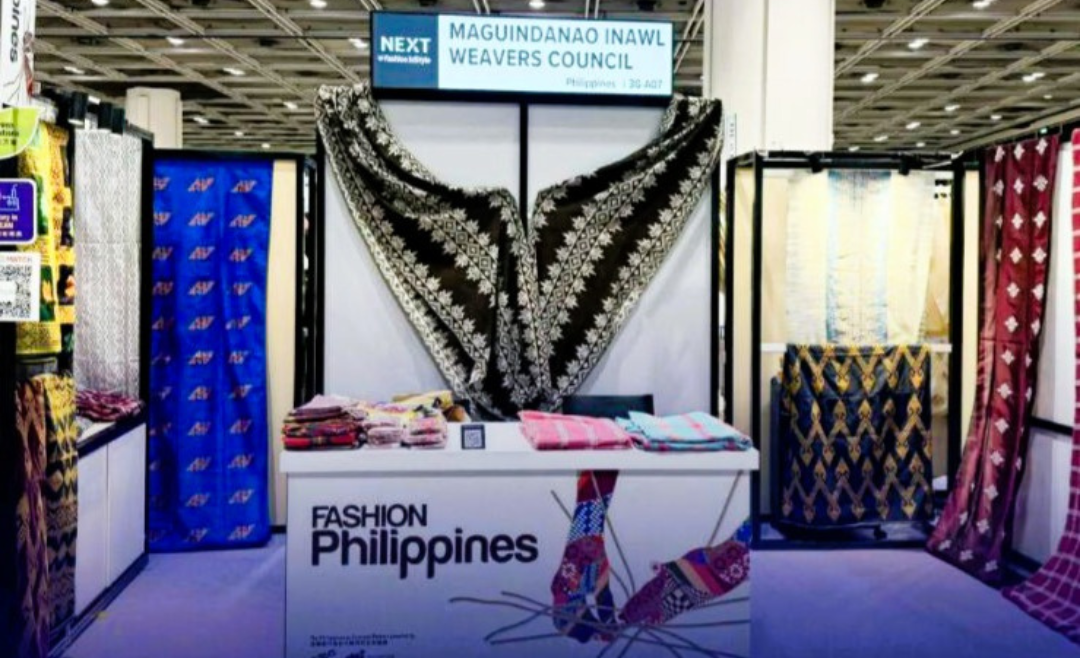
The fashion designer’s initial post met with criticism from The Bangsamoro Commission for the Preservation of Cultural Heritage.
What began with a provocative fashion caption has turned into a much larger conversation about cultural heritage, creative freedom and who gets to decide how tradition evolves.
Fashion designer Francis Libiran drew criticism after unveiling a contemporary creation using inaul, the handwoven textile associated with Maguindanaon and Iranun communities.
“I didn’t preserve tradition. I weaponized it,” Libiran wrote in the now-deleted post, describing the textile as transformed into a “graphic, skin-tight bustier” and declaring: “Filipino heritage, but make it dangerous. Make it modern. Make it LIBIRAN.”
The Bangsamoro Commission for the Preservation of Cultural Heritage (BCPCH) objected, saying the portrayal diminished the cultural significance of inaul.
BCPCH Chairperson Robert M. Alonto said the textile carries the history, artistry, identity and values of communities that have woven and preserved it for generations.
But the story did not end with the criticism.
Alonto revealed in a September 7 statement that Libiran personally reached out to the BCPCH-Lanao del Sur office to apologize. The commission said it recognized and appreciated his effort to address the concerns.
BCPCH also clarified that it is not opposed to contemporary fashion.
“We recognize that fashion is an evolving form of creative expression,” Alonto said, adding that meaningful efforts to bring Bangsamoro textiles into contemporary design are welcome. However, innovation, it stressed, should not come at the expense of cultural context and symbolism.
Fashion platform Rampa Pinas offered another perspective, arguing that the debate should not be reduced to whether inaul may be reinvented at all.
“So the real issue is not simply whether Inaul may be reinterpreted. It already is,” Rampa Pinas wrote.
The page noted that inaul has appeared in modern Filipiniana, jackets, blazers, trousers and other contemporary pieces, including presentations supported by Bangsamoro institutions.
It also questioned whether the amount of skin shown by a garment should automatically determine cultural disrespect.
“A conventional-looking gown can disregard provenance just as easily as an audacious bodysuit can be made with careful knowledge of the textile it incorporates,” Rampa Pinas argued.
Instead, it said attention should also be paid to where the textile came from, who wove it, proper attribution and whether artisans benefit economically from its commercialization.
That point intersects with criticism from food advocate John Sherwin Felix, who accused wealthy designers and entrepreneurs of “commodifying community culture.” He also challenged romanticized descriptions of inaul as being woven by “Maguindanaon royalty,” emphasizing the generations of ordinary but highly skilled Maguindanaon and Iranun weavers who kept the tradition alive.
Rampa Pinas, however, cautioned against creating a false choice between preservation and commercialization.
“Broader markets can create demand, and demand can provide income for weaving communities,” it wrote. But it warned that expansion becomes harmful when a textile loses its provenance or when its commercial value fails to reach “the people at the loom.”
BCPCH now plans to review existing policies and develop possible guidelines on the use, representation and contemporary application of traditional textiles through consultations with weavers, elders, cultural organizations, designers, researchers and government agencies.
Libiran’s apology may have cooled the immediate dispute, but the questions it exposed remain.
As Rampa Pinas put it: “The challenge, then, is not to choose between preservation and fashion. It is to build a better relationship between them.”
Inaul does not have to choose between the loom and the runway. The challenge is making sure that when the textile travels, the people, history and culture woven into it are not left behind.
READ: