A beach born from a natural disaster can easily disappear through human neglect.
The surf town of Liwliwa is drowning in monster waves, and the negligence of local authorities and businesses is to blame.
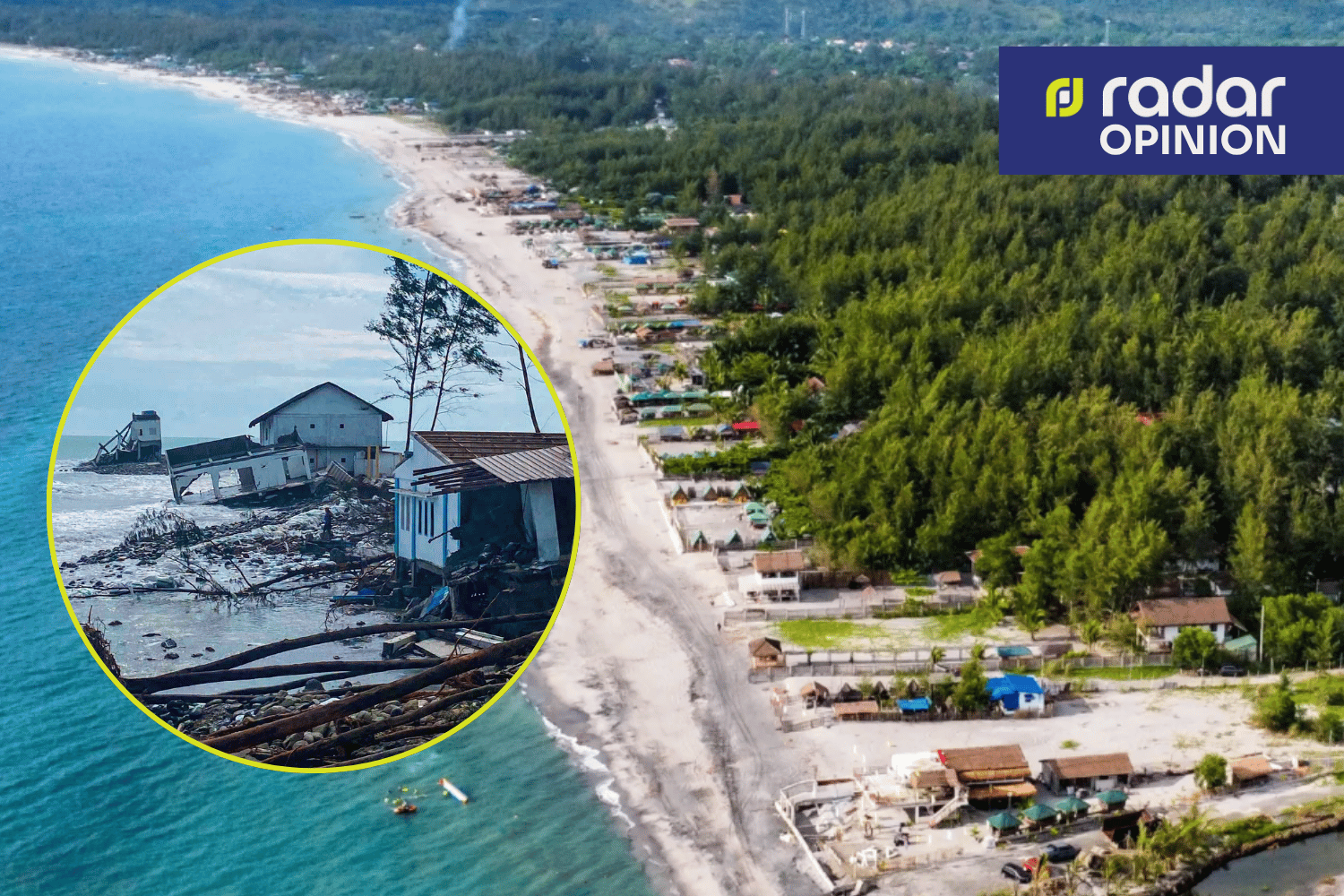
Beachfront resorts in Sitio Liwliwa, Barangay Santo Niño, in the municipality of San Felipe, Zambales, reportedly closed down beginning July, with floods ruining their properties and engulfing entire huts. Parts of the town’s coastline have been consumed by ocean waves, with debris from the buildings and nearby trees floating around.
The town proper, several hundred meters away from the shoreline, has also not been spared from the flooding, with many roads submerged in knee-deep water during storms.
A 24 Oras report from September 5 also notes that a dike enclosing Santo Tomas River, which borders the southern part of Liwliwa, was damaged amid successive storms, making the town more prone to flooding.
Sitio Liwliwa has rapidly risen to fame as an affordable beach destination, often touted as a less crowded alternative to more established spots like La Union.
But Liwliwa was not always a surfer’s paradise. The black sand beach of Liwliwa resulted from ashfall during the 1991 Mount Pinatubo eruption, adding a shoreline to the town proper, now called “Old Liwliwa.”
The Mines and Geosciences Bureau said the ashfall added an additional 1 kilometer to the shoreline, deeming the area unclassified land because it had not undergone a proper zoning survey.
“The eruption of Mt. Pinatubo dramatically changed the landscape. Ash rain accumulated on land and lahar found its way to the river dumping a large amount of volcanic materials to the sea. That explains why the beach sand of Liwliwa has a mixture of gray and black sand,” wrote the Olongapo-based blog Playing Tourist in 2019.
Dredging, overtourism being blamed
Extreme flooding was first flagged in July 2025, and locals said it was because of dredging operations at Santo Tomas River. While the Mines and Geosciences Bureau said then that dredging was not to blame, the agency also warned that coastal erosion was due to beachfront resorts putting additional pressure on the land.
“‘Yun pong ating mga resorts diyan are standing on unclassified public lands, accretion po ‘yan, so wala pong titulo ‘yan. Dapat ‘di ‘yan nilagyan ng building diyan,” MGB Region 3 Director Noel Lacadin told 24 Oras in a July 2025 report.
Because the beachfront was molded by volcanic ash, experts also warn that the land is more prone to erosion.
Tourists and locals alike will complain of floods and erosion during typhoon season, but once the weather clears up, more and more resorts will set up shop to take advantage of the growing crowds in the area. And the local government will continue to be slow to act on the similarly emerging issue of overtourism, at the expense of the already-fragile natural environment.
While the municipal government of San Felipe and the provincial government of Zambales have since announced relief operations, suspension of water activities, and the creation of temporary jobs in the direct aftermath of the calamity, there has seemingly been no word on how the authorities will address the failing condition of the beach, which may only worsen as climate change creates stronger, more frequent storms and weather infrastructure fails to keep up.
Similarly, businesses that continue to profit from offering beachfront views despite the growing warnings are not doing anybody a favor. Some of these resorts destroyed by the floods aren’t exactly your hidden gem-type nipa hut stays, but concrete structures that require millions of pesos in capital. Small businesses are definitely in need of support, but the absence of proper land regulations does not excuse greed disguised as resourcefulness or “diskarte.”
Liwliwa is certainly a treasure worth preserving. As tourism to other provinces gains traction, the emerging surf destination offers charming experiences for every type of traveler. But if the beach can just suddenly emerge from a calamity, it can just as easily disappear after another calamity, that of human neglect.
READ:

OPINION: It is time to close traditional zoos like Manila Zoo
Top Dagohoy
September 3, 2026
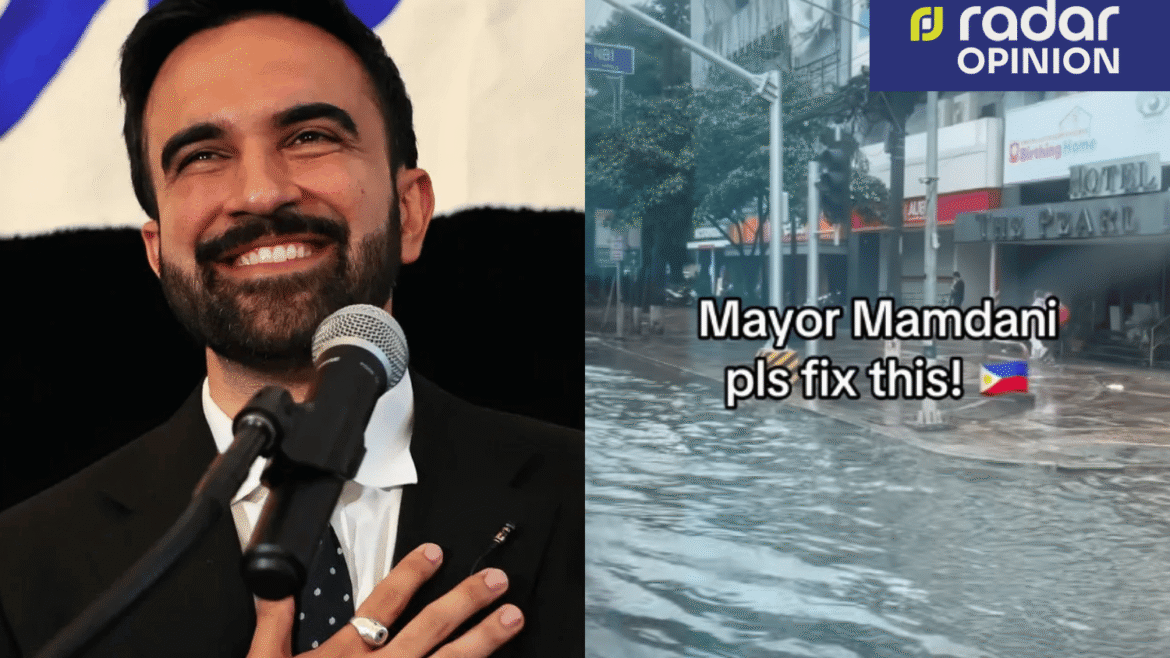
OPINION: Our flood control is so bad, Filipino Gen Z is calling NYC Mayor Mamdani to fix it
Kiara Gorrospe
August 21, 2026

OPINION: When a barangay outsmarts the flood, what does it say about everyone above it?
Mianne Cudal
August 13, 2026