The obsession with designer labels and resale profits is taking away from ukay-ukay’s role as an affordable option for ordinary Filipino shoppers.
Online groups meant for ukay-ukay lovers to share shopping tips and finds have devolved into “legit check” forums for predatory resellers and hype-driven logomaniacs, ruining the essence of these secondhand stores as an affordable haven for the humble shopper.
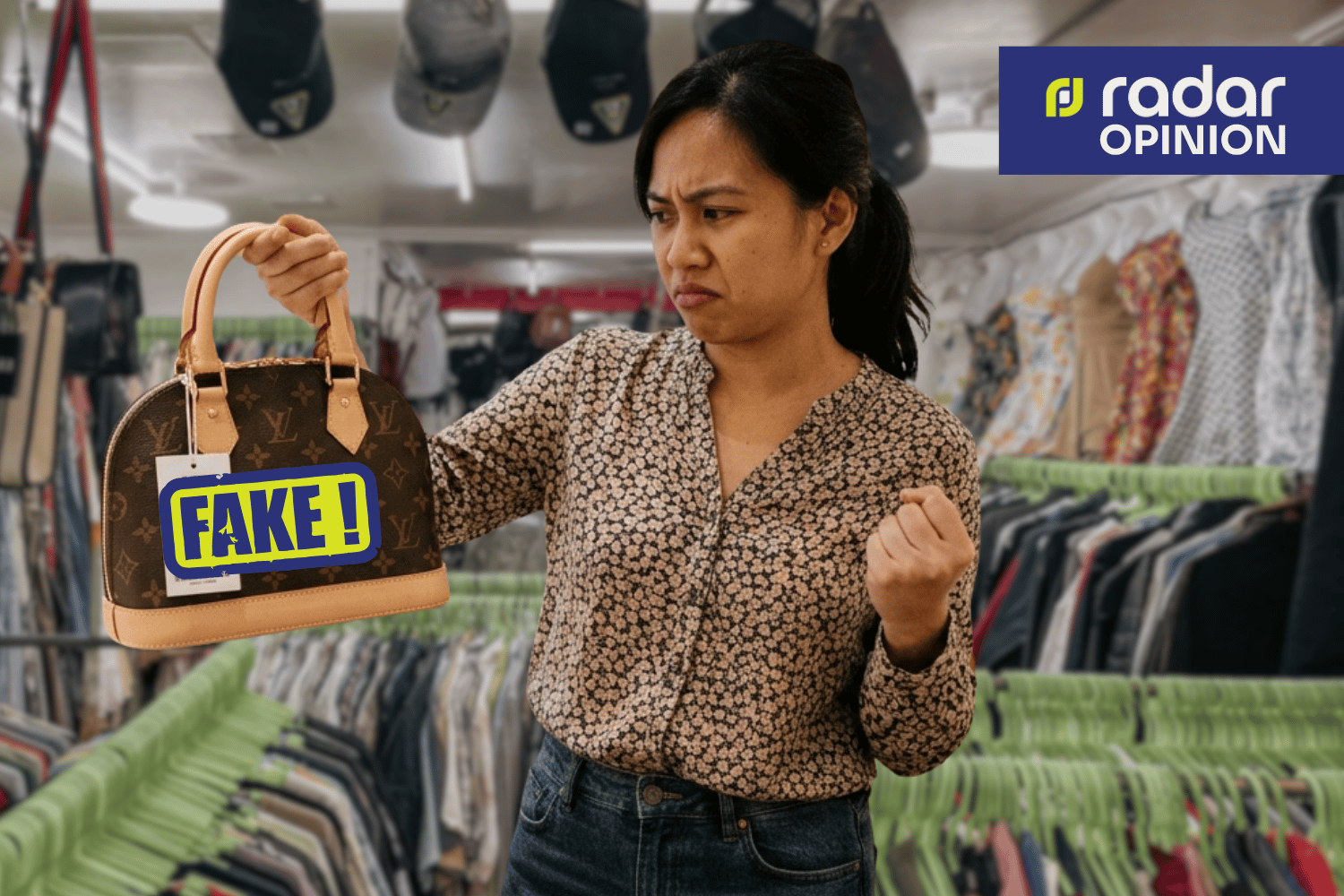
An online community dedicated to reviewing ukay-ukays, sharing thrift store finds, and discussing repairs was suddenly filled with “legit check” posts over the past week. These “LC” posts asked if specific clothes, shoes, or bags carrying luxury brand logos were indeed genuine.
In many posts, the products turned out to be counterfeit. Commenters said it was obvious—uneven stitching, flimsy fabrics, wrong logo placement, rusted metal parts and embellishments—and could have been checked with a simple Google search rather than posting to the increasingly saturated forum.
Some “LC” inquiries turned out to involve legit products, but such cases were a rare needle in the haystack of obvious engagement bait.
Whether these apparently clueless posters are resellers in disguise or just ordinary shoppers conscious of brand recognition, many community members were openly bothered by these low-effort contributions that cluttered a space meant for sharing ukay-ukay tips, finds, and rants.
The year was 2018 when the Twitterverse debated the “gentrification of ukay”: the influx of middle- to upper-class Instagram resellers supposedly incentivized ukay-ukay store owners to raise prices, having realized the potential for higher profit from their sales.
Though Instagram influencers still go on ukay-ukay hauls with no other purpose but to resell items, the humble thrift store has nonetheless remained mostly reliable as inflation pumps up prices of branded and imported clothing.
Sure, these thrifted pieces need extra care and cleaning most of the time, but the extra time and effort is worth the bargain. There’s a reason ukay-ukay stores are typically located around public markets, transport terminals, and town plazas—because they should cater to the average citizen.
While the ukay-ukay is undoubtedly the most accessible option for many, the state of the industry touches on an uncomfortable aspect of the nation’s post-colonial identity.
Republic Act No. 4653, which was passed in 1966, outlaws the commercial importation of used clothing and rags to be resold in the country. The law was passed as a sanitary measure to ensure that textiles sold in the country were safe for consumers.
Authorities will occasionally report crackdowns on illegal ukay-ukays, and some stores deliberately obscure where their goods came from to evade these operations. But ask most other store owners and they’ll proudly declare that their preloved finds were shipped from South Korea, Japan, or the United States.
That the country’s most affordable clothing options are essentially discarded from first-world economies is telling of how the country values its own textile industries, health practices, and the dignity of its own people.
That these economic powers have been placed on so high a pedestal that even their waste clothing items are so venerated is perhaps another factor why some ukay-ukay shoppers are obsessed with global luxury brands. Quality can’t even be a justification anymore for these items when they’re more likely to be made in the same overseas factories that produce cheap fast fashion.
Despite the uncomfortable realities that ukay-ukay forces us to confront, the current state of affairs nonetheless remains: there aren’t many affordable and decent-quality options available for the average Filipino consumer, and knowingly taking that away from them in the form of absurd resale prices and logomania borders on immoral.
The obsession with finding “legit” luxury items at thrift stores takes away from the essence of the humble ukay-ukay as an affordable clothing store, and the combination of predatory resellers, cunning store owners, and selfish shoppers only serves to disadvantage the common consumer.
READ:

Inside Quezon City’s ukay‑ukay scene that’s turning heads in fashion
Trixia Policarpio
November 18, 2025
Filipino content creator turns everyday items into high-fashion outfits
Julia Escarez
July 25, 2026
The art of the premium ukay: Inside Give Me the Loot! Makati
Alyana Fabella
April 18, 2026