Art historian calls for an independent review, highlighting the masterpiece’s immense value to Philippine history and modern art.
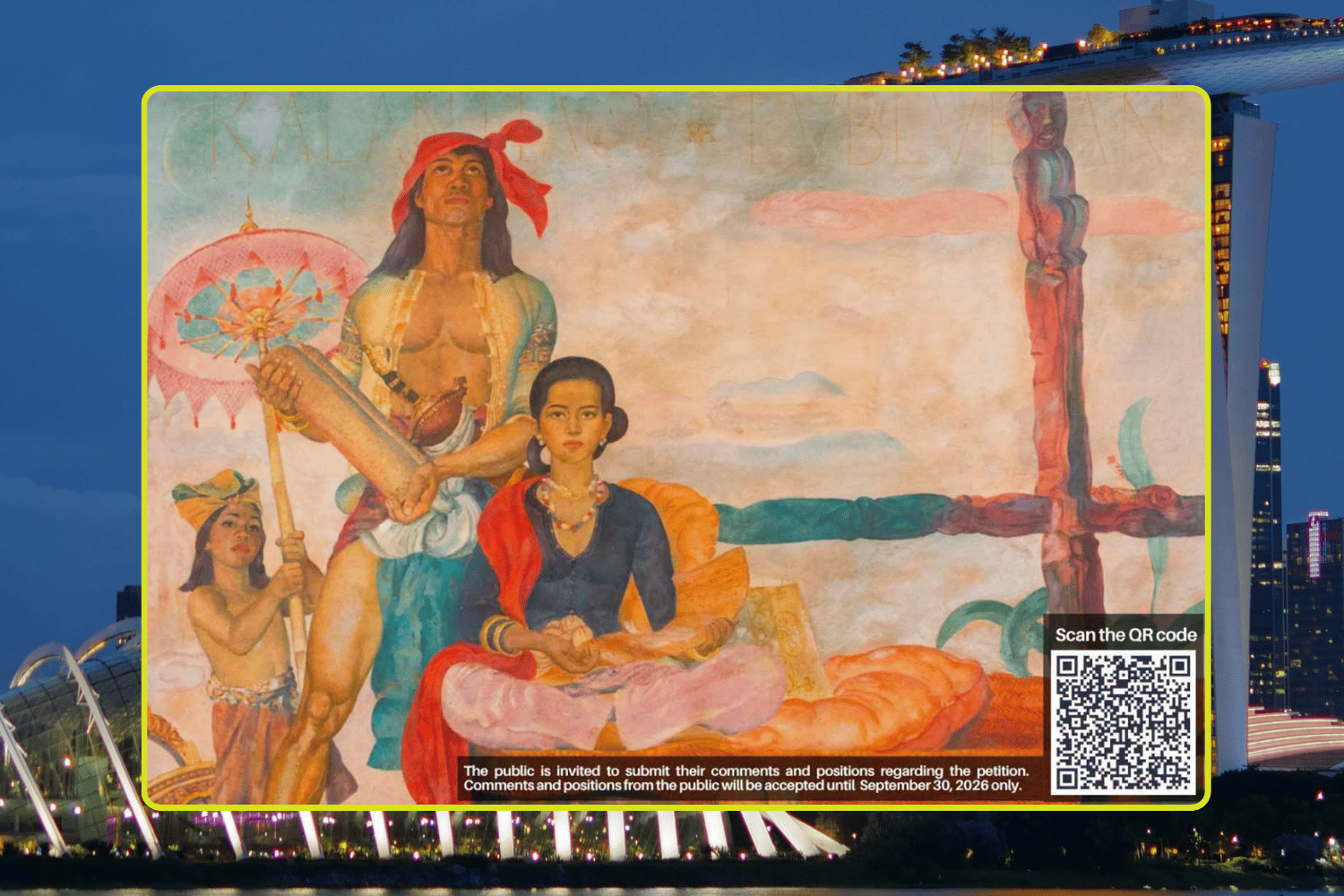
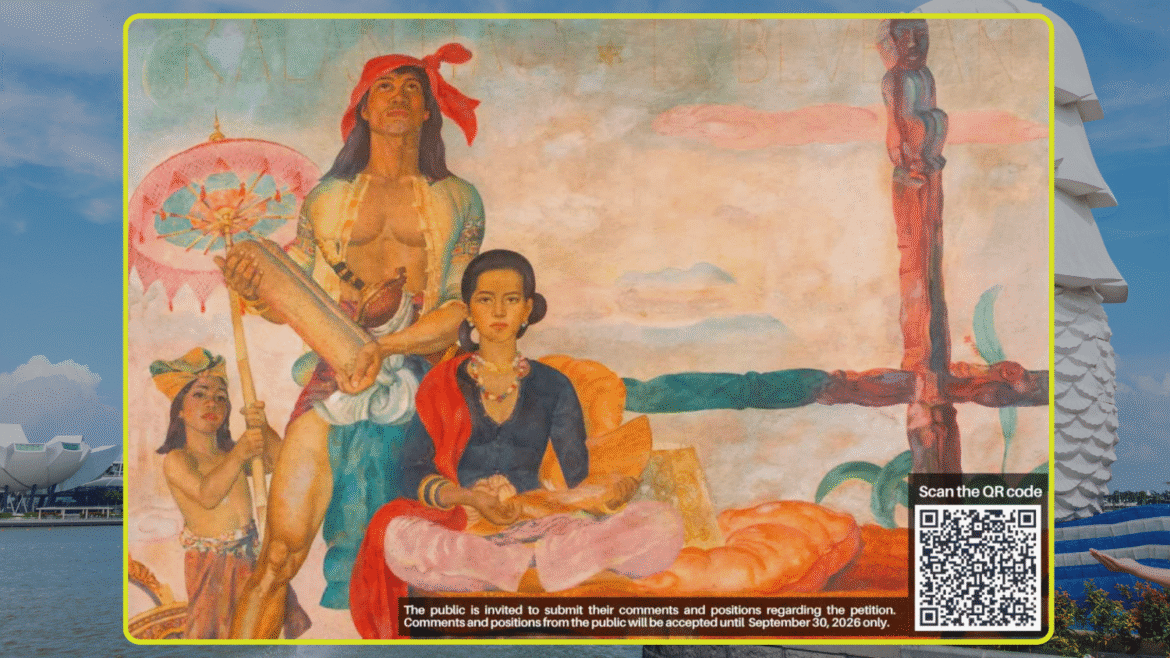
The proposed permanent transfer of Carlos “Botong” Francisco’s “Kalantiao at Lubluban” to Singapore is facing opposition, with Filipino art historian Geronimo Cristobal urging cultural authorities to keep the National Artist’s 1946 painting protected.
Cristobal, a PhD candidate in the History of Art and Archaeology at Cornell University and former art history teacher at Ateneo de Manila University, publicly opposed the petition seeking to remove the painting’s presumption as an Important Cultural Property (ICP).
“I oppose the removal of the presumption of Important Cultural Property from ‘Kalantiao at Lubluban,'” Cristobal wrote in a letter addressed to the National Commission for Culture and the Arts (NCCA). “The painting deserves further independent review.”
The opposition comes after Jaime Alfonso Larena Ponce de Leon, owner of the painting and director of León Gallery, petitioned the NCCA to lift its presumed ICP status. The move could result in the issuance of a permanent export permit after the National Gallery Singapore expressed interest in acquiring the nearly eight-foot-wide oil painting.
Cristobal argued that the work has significant scholarly and educational value, noting that he has used it in his lectures and that it has figured in the scholarship of art historian Patrick Flores.
He said the painting offers a way of studying how Filipino artists imagined precolonial sovereignty and how historical myths became embedded in national culture.
Its depiction of Datu Kalantiao, Cristobal argued, has gained another layer of importance because the supposed Code of Kalantiaw was later exposed as having fraudulent historical foundations.
“It records how an invented history acquired visual authority,” he wrote. “Its value includes the opportunity to understand how historical knowledge was produced and subsequently revised.”
Cristobal also questioned some of the expert assessments submitted in support of the petition.
He challenged the characterization of Lisa Guerrero Nakpil’s assessment as “independent,” pointing out that León Gallery publicly identifies her as its curator while Ponce de Leon is the gallery’s director and the painting’s owner. He called on the NCCA to require disclosure of relevant professional and financial relationships and seek assessments from experts without ties to the proposed transaction.
Cristobal similarly argued that the presence of other Francisco works in Philippine collections does not automatically make “Kalantiao at Lubluban” dispensable.
Perhaps the strongest contradiction he raised involves the National Gallery Singapore’s own justification for wanting the painting.
According to Cristobal, Flores, writing on behalf of the Singapore museum, assessed that acquiring the work would significantly strengthen its representation of Francisco’s independent practice and Philippine modernism. The painting was also identified as useful for research into postwar art and the relationship between mythology and nationhood.
“If the painting is important enough to strengthen Singapore’s account of Philippine modernism, why should those same qualities carry insufficient weight in the Philippines?” Cristobal asked.
Instead of permanently removing the painting’s cultural protection, he proposed exploring alternatives, including an international exhibition loan with enforceable conditions requiring its return. He also urged that the National Museum be formally given an opportunity to assess its possible acquisition.
The NCCA earlier invited the public to submit positions on the petition until September 30, 2026.
Cristobal is now asking the commission to retain the painting’s presumed ICP status while commissioning an independent review of its historical, scholarly and educational significance.
“The case for international access deserves consideration,” he concluded, “but the case for removing the painting’s protection remains unproven.”
READ:
Botong Francisco painting eyed for transfer to Singapore
radar Lifestyle
September 14, 2026

NCCA launches 2027 Competitive Grants Program, announces nationwide roadshows
Rafael Asonza
July 13, 2026

FLASHBACK: When Arroyo handpicked four National Artists — and bypassed the process — in 2009
radar Lifestyle
September 10, 2026
Tags: Ateneo de Manila UniversityBotong FranciscoCarlos FranciscoCornell UniversityGeronimo CristobalImportant Cultural PropertyJaime Ponce de LeonKalantiao at LublubanLeon GalleryLisa Guerrero Nakpilnational artistNational Commission for Culture and the ArtsNational Gallery SingaporeNational MuseumPatrick FloresPhilippine art