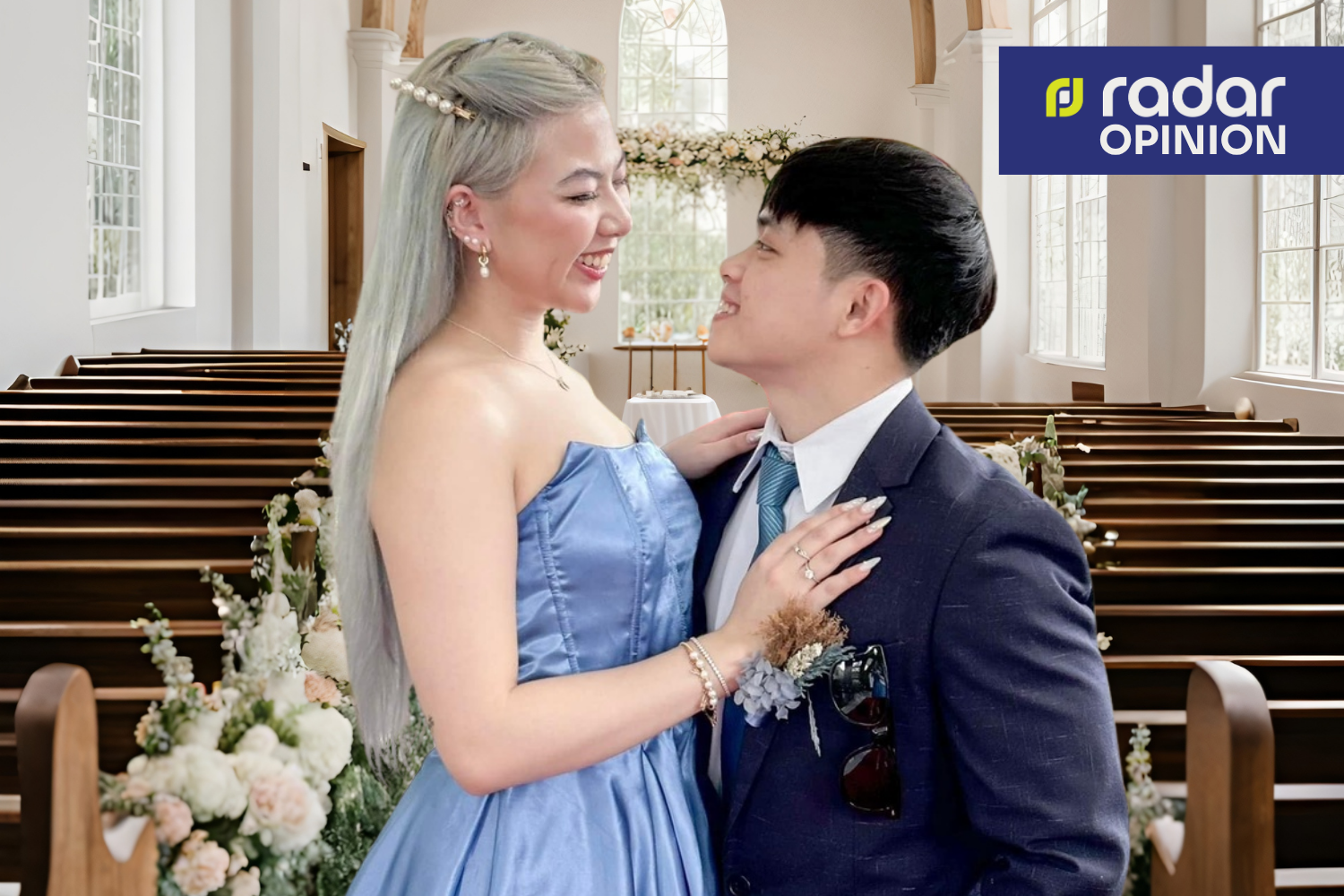
A wedding is about two people choosing to build a life together.
A wedding invitation is not a birthright.
That may sound harsh in a culture where children are repeatedly reminded to honor their parents, but adulthood comes with the right to decide who gets access to the most intimate moments of your life.
Two-time Olympic gold medalist Carlos Yulo recently made that boundary remarkably clear.
Asked whether he would want his parents at his future wedding with longtime partner Chloe San Jose, Carlos said he would rather not invite them.
“Kasal po namin ‘yun and relationship po namin ‘yun,” he said, explaining that he does not want their moment to be ruined or “mamantsahan.” He added that he has forgiven many things his parents have done, but wants the wedding to be “full of love and joy.”
Chloe, meanwhile, said she would respect whatever makes Carlos comfortable.
And there is an important distinction here: forgiveness does not automatically mean reconciliation.
You can forgive someone and still decide that you function better with distance. You can stop being angry without reopening the door. You can love your parents while recognizing that their presence causes you anxiety, conflict or emotional distress.
Most importantly, you can establish boundaries without turning them into punishment.
Your wedding is not a family reunion
Traditional Filipino weddings often give parents prominent roles. But those traditions assume a reasonably healthy relationship between parents and children.
When that relationship has become deeply fractured, the equation changes.
A wedding is ultimately about two people choosing to build a life together. Nobody should be invited merely because relatives might gossip if they are absent.
Nor should a wedding become an experimental reconciliation venue.
If years of conflict remain unresolved, hoping everybody will magically behave because there are flowers, photographers and a wedding cake is a tremendous gamble. The bride or groom may instead spend the entire celebration monitoring somebody else’s mood.
“Pero magulang mo pa rin sila”
This is perhaps the most powerful guilt trip in Filipino family culture.
Yes, they are still your parents.
But being someone’s parent does not erase harmful behavior, nor does being someone’s child require unlimited tolerance.
Respect should never mean surrendering every boundary.
Parents are human beings capable of making mistakes. Adult children are equally entitled to decide what behavior they will continue accepting.
You get to choose who is in the room
Carlos and Chloe’s situation belongs to them, and outsiders cannot know every private detail behind a family relationship that has largely been discussed through public statements.
But Carlos has said two things that matter: he has forgiven his parents, and he does not want them at his wedding.
There is no contradiction there.
Forgiveness can release the anger. It does not restore trust, erase history or guarantee access to your life.
And that is perhaps the boundary people find hardest to accept: being family does not guarantee an invitation.
A wedding celebrates the life you are choosing to build.
You and your partner get to choose who is there to celebrate it.
READ:
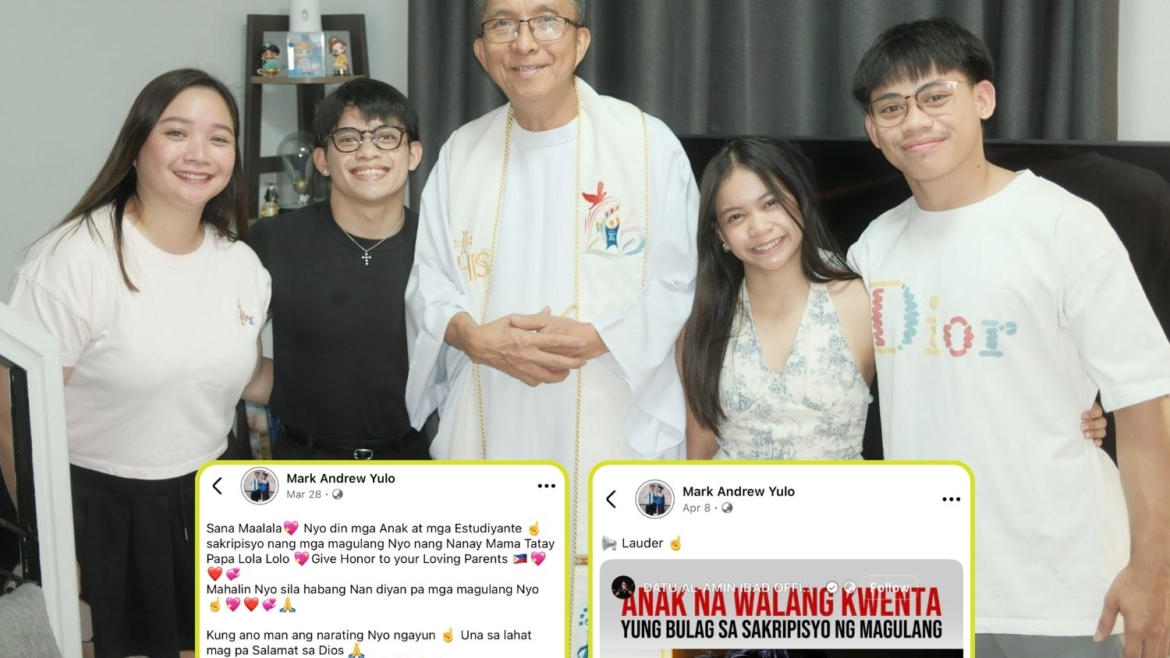
Carlos Yulo celebrates siblings’ new home as father’s cryptic posts resurface online
Nikko Miguel Garcia
May 5, 2026

Thinking of playing tennis after Alex Eala’s historic win?
Top Dagohoy
August 5, 2026
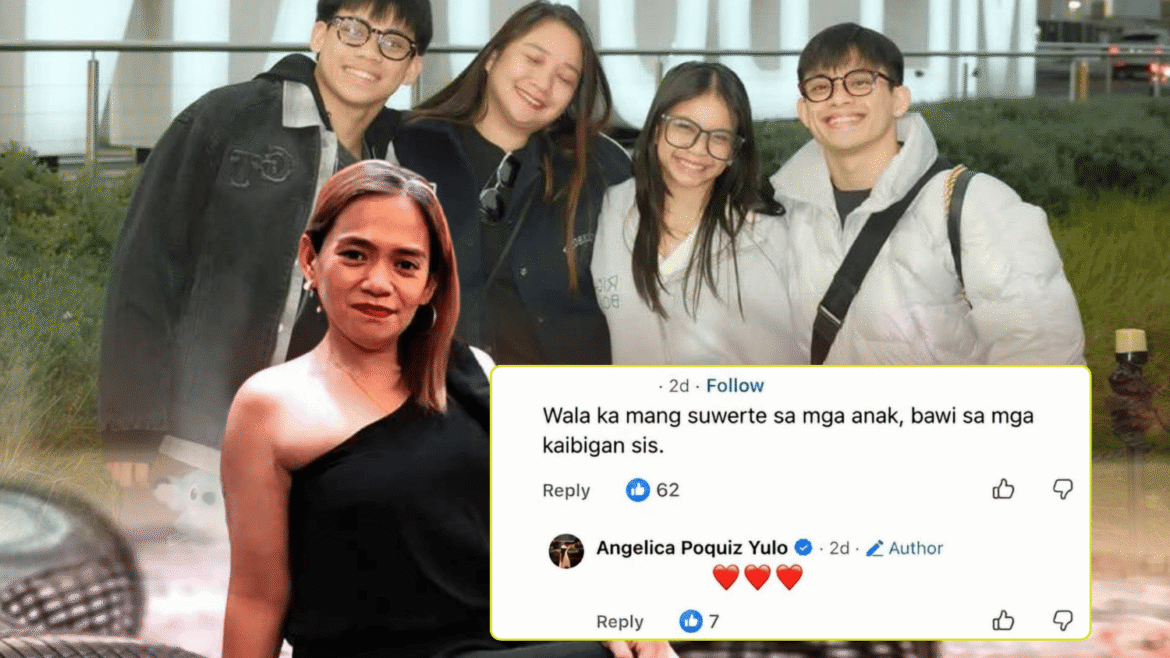
Carlos Yulo’s mother draws flak over reaction to comment on her children
Denchelle Castro
July 2, 2026