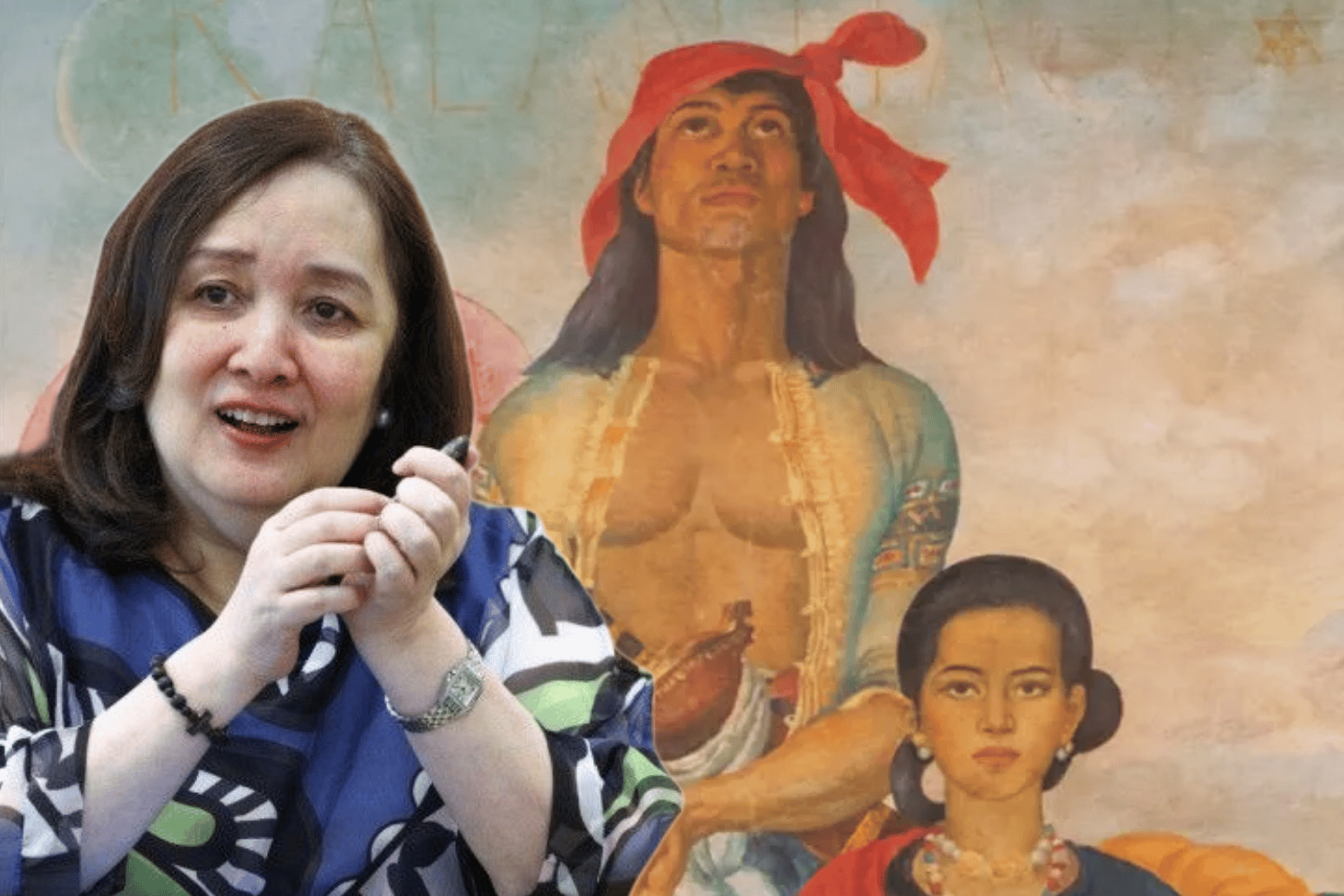
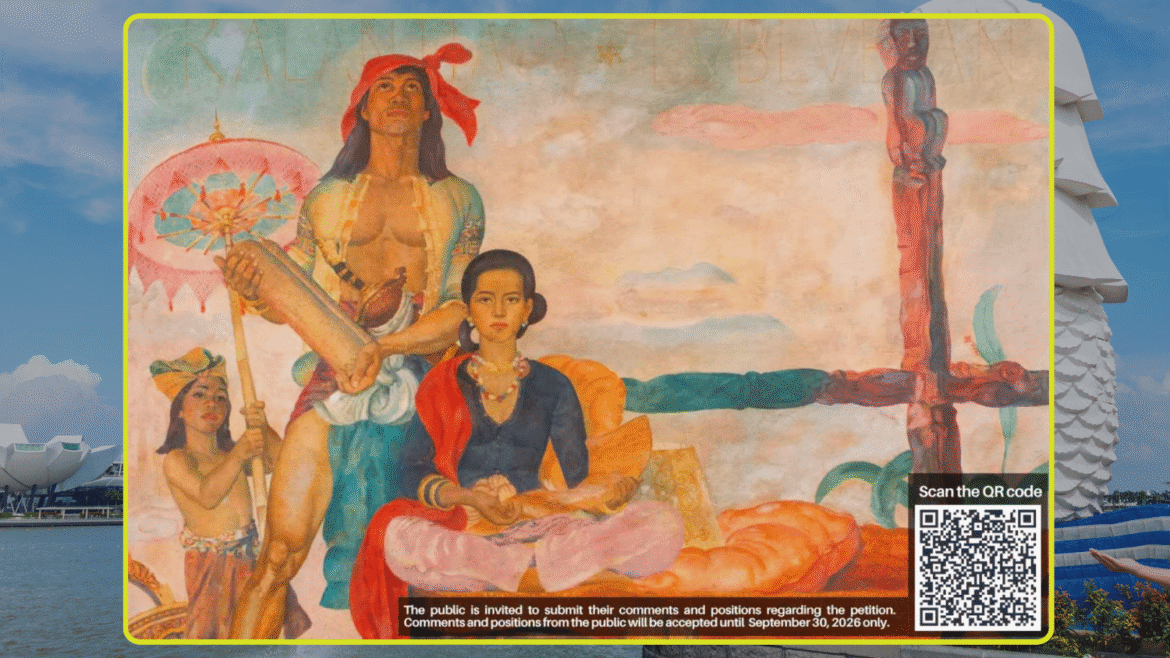
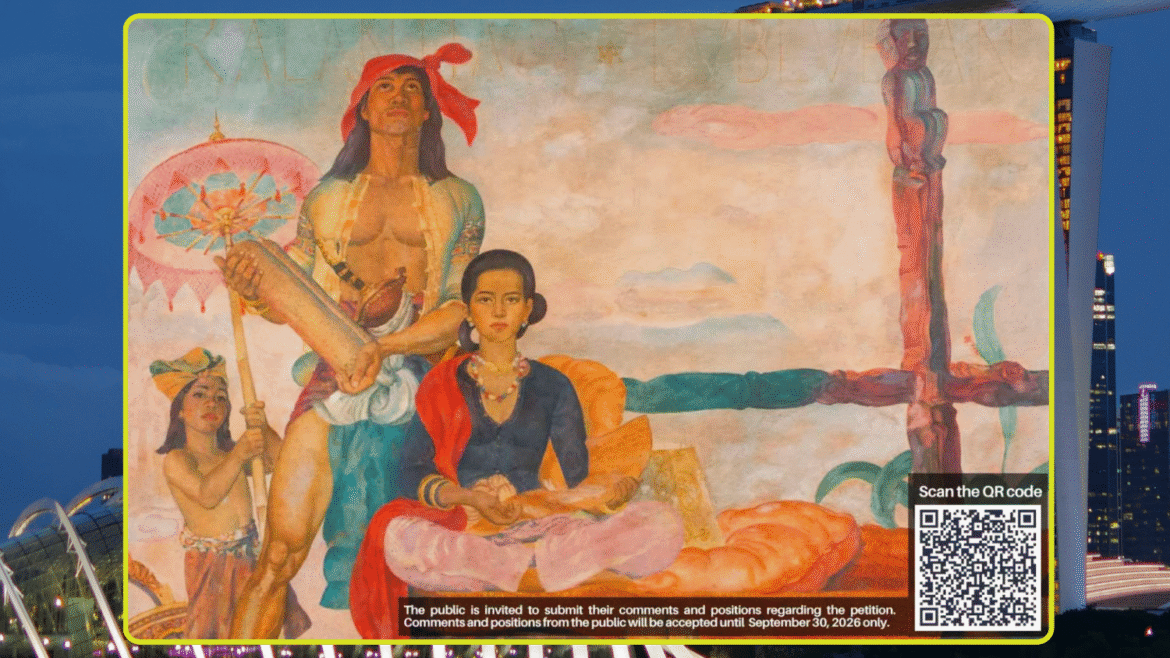
The agency said the 1945 painting is “an important work by one of the Philippines’ foremost visual artists.”
Under Republic Act No. 10066, or the National Cultural Heritage Act of 2009, works created by National Artists are presumed to be Important Cultural Property. The DOT noted that while the law provides a process for removing such protection, each petition should be carefully considered based on its reasons and circumstances.
As the country celebrates National Tourism Month, the department said cultural heritage remains central to Philippine identity and how the country tells its story to the world.
“Works of our National Artists are not merely valuable objects,” the DOT said. “They are records of our history, expressions of our identity, and sources of inspiration for generations of Filipinos.”
It also framed the issue as one of cultural tourism, saying safeguarding such works is an “investment in cultural tourism” and that its aspiration is to bring these treasures “to the people—to be enjoyed by tourists and the Filipino populace alike.”
The statement comes as the NCCA reviews the petition filed by Jaime Alfonso Larena Ponce de Leon, owner of the painting and director of León Gallery, to lift its presumed ICP status. The move could pave the way for a permanent export permit after the National Gallery Singapore expressed interest in acquiring the work.
The DOT acknowledged Singapore’s interest and the opportunity for Philippine art to be seen and studied internationally.
“We believe that the international recognition of our cultural heritage is valuable and should be encouraged,” it said. “At the same time, we hope that such recognition can be pursued in ways that also preserve meaningful access to these treasures for the Filipino people.”
The DOT urged the NCCA to consider the petition in light of the painting’s cultural significance and the objectives of the heritage law, as well as the “importance of safeguarding the country’s artistic heritage for future generations.”
“We also encourage consideration of arrangements that may support the painting’s continued presence in the Philippines,” it added, “while allowing it to participate in international exhibitions, scholarly exchanges, and other initiatives that promote Philippine art and culture abroad.”
Art historian Geronimo Cristobal has separately opposed the removal of the painting’s presumed protection, arguing that its historical, scholarly, and educational value warrants further review.
The NCCA has invited the public to submit positions on the petition until Sept. 30.
READ: