A doctor turns to the naturalist, holistic principles of Traditional Chinese Medicine for modern living.
Life today rarely gives us a chance to slow down. There’s always another notification to check, email to answer, deadline to meet, or task to finish.
So we look for ways to keep up. Amid the pagod and puyat, we reach for what we perceive as “fixes”: therapies, supplements, and wellness products to help us manage stress, sleep better, or power through another busy day.
But the oldest lesson in medicine is arguably the simplest: prevention is better than cure.
That principle is central to Traditional Chinese Medicine, a system that draws on practices such as acupuncture, herbal medicine, cupping, and movement. Rooted in the traditional concept of yin and yang, it views health through the balance of complementary forces.
For Dr. Kit Navarro, founder of the Complementary Medicine Service at St. Luke’s Medical Center–Bonifacio Global City, this reflects TCM’s naturalist and holistic approach to health, which puts as much emphasis on prevention as it does on treatment.
“It’s not solving problems, it’s also doing the right things to prevent problems,” Navarro told radar and other select media. “Obviously, we have to be responsible for our health. We are capable of taking care of ourselves… It’s the little, every day things.”
That can be as simple as following the body’s natural rhythms. “Pag araw, gising. Pag gabi, matulog. Time boundaries, rhythms, and schedules according to nature,” he said.
And when it comes to movement, ancient practices looked to nature. Navarro said tai chi, qigong, and martial arts drew inspiration from animals. “Buti pa ‘yong mga hayop, sumusunod sa natural rhythm nila,” he said.
That same philosophy has a place in today’s wellness routines, including supplements inspired by Traditional Chinese Medicine.
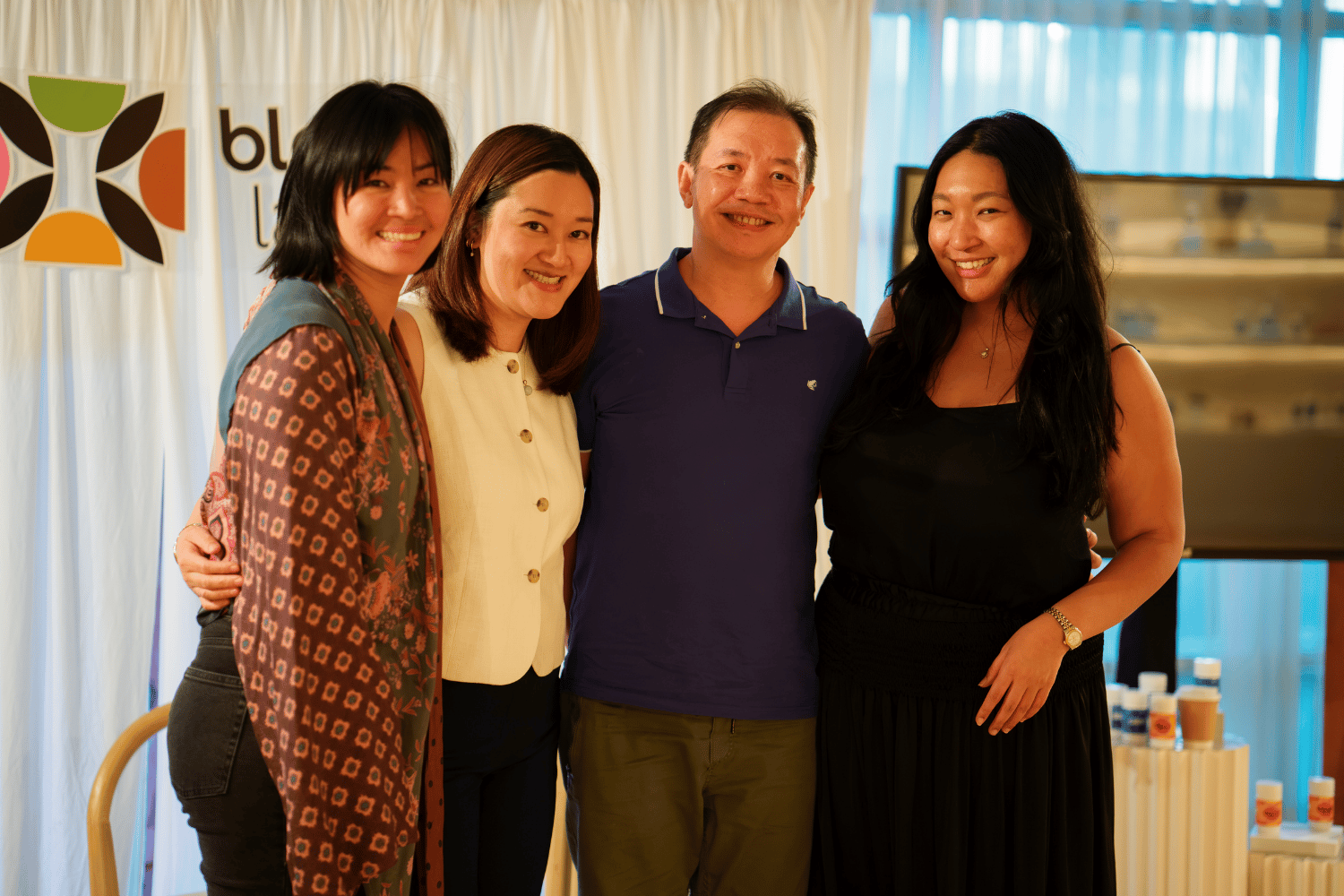
Bloom Laboratories, founded by Bea Bautista, Barbara Tiu, and Bernice Tiu, draws from the TCM supplements they grew up with as part of their family health traditions.
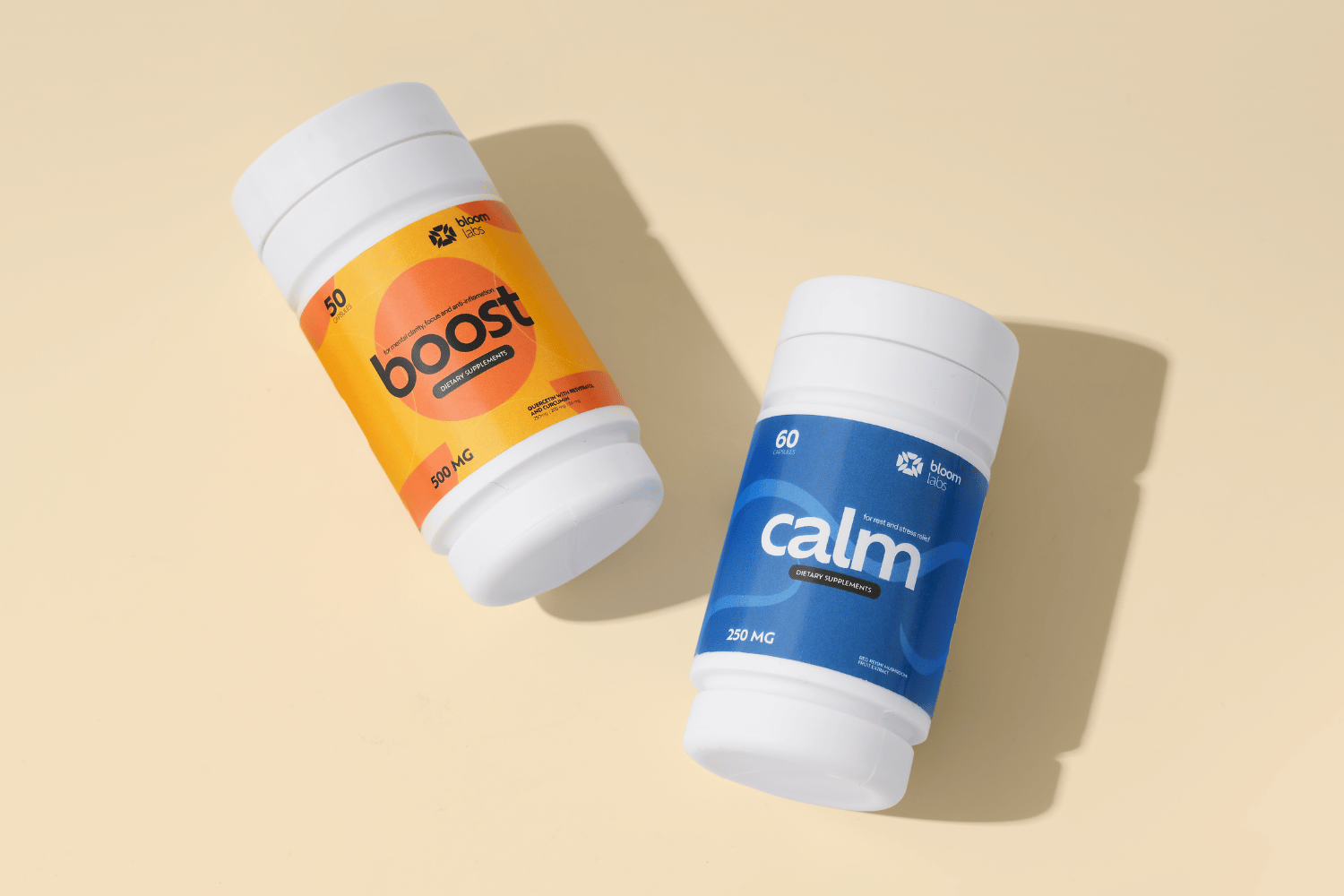
It has two offerings: Boost and Calm. Boost combines quercetin, resveratrol, and curcumin and is taken as one capsule with a full meal. Calm contains reishi, or lingzhi, and is taken as one capsule one to two hours before bed.
For Navarro, though, supplements work best alongside—not instead of—the fundamentals. “As in all things, err on the side of caution,” he said. “Bakit ka palaging pagod? Bakit ka palaging hyper, inflamed? Even if this comes to help you sleep, you still have to sleep.”
TCM is also about looking beyond the symptom and asking what lies beneath it. “Roots and branches. Kung andiyan ang ugat, ang mga sanga ang manifestation,” Navarro said.
Sometimes, that root can be emotional. “For some patients, the reason they have these physical conditions is may hugot sila,” he said. “Kahit anong gawin natin, pag the root cause is iyong issues na di mo naa-address, babalik iyon at babalik.”
Navarro also cited changing jobs in the hope that things will get better—only to bring the same unresolved issues to the next one. To him, sometimes the first step is simply looking inward. He turned to Taylor Swift’s now-iconic lyric: “It’s me, hi, I’m the problem, it’s me.”
Ultimately, it’s not about choosing between ancient wisdom and modern wellness, but understanding how we can improve our well-being through the choices we make every day.
“Time immemorial, men have always been thinking of making our lives better,” Navarro said. “To solve our problems, and even prevent them. This is the field of medicine in its broadest sense.”