Experts say complementary feeding, including fortified cereals, can help meet nutritional needs.
There’s no shortage of advice for parents these days. Open Facebook, TikTok, or Reddit—and someone already tells you what your baby should eat, when they should eat it, and whether you’re doing it right.
The harder part, however, is making sure there’s actually enough of the right food on the plate.
According to the 2019 Expanded National Nutrition Survey by the Department of Science and Technology’s Food and Nutrition Research Institute, only 9% of Filipino infants and young children aged 6 to 23 months met the minimum acceptable diet. That meant roughly nine out of 10 young children don’t receive the proper amount, frequency, and variety of food needed for healthy growth.
The latest numbers are hardly comforting. The DOST-FNRI’s 2025 Updating Survey found stunting among children ages 0 to 5 rising to 25.3%, from 23.6% in 2023. Underweight prevalence, meanwhile, increased from 15.1% to 16.2%.
Experts stress that the first 1,000 days, from pregnancy through a child’s second birthday, are crucial. And nutrition gaps don’t always look like a child who is visibly underfed.
Dr. Katrina Florcruz-Dacanay, a pediatrician at the Diliman Doctors Hospital and The Medical City, pointed to children who eat plenty of rice, noodles, crackers and bread. “How about the other nutrients?” she told radar and other select media at a forum. “We’re talking about the protein, the good fats, the different vitamins, and micronutrients.”
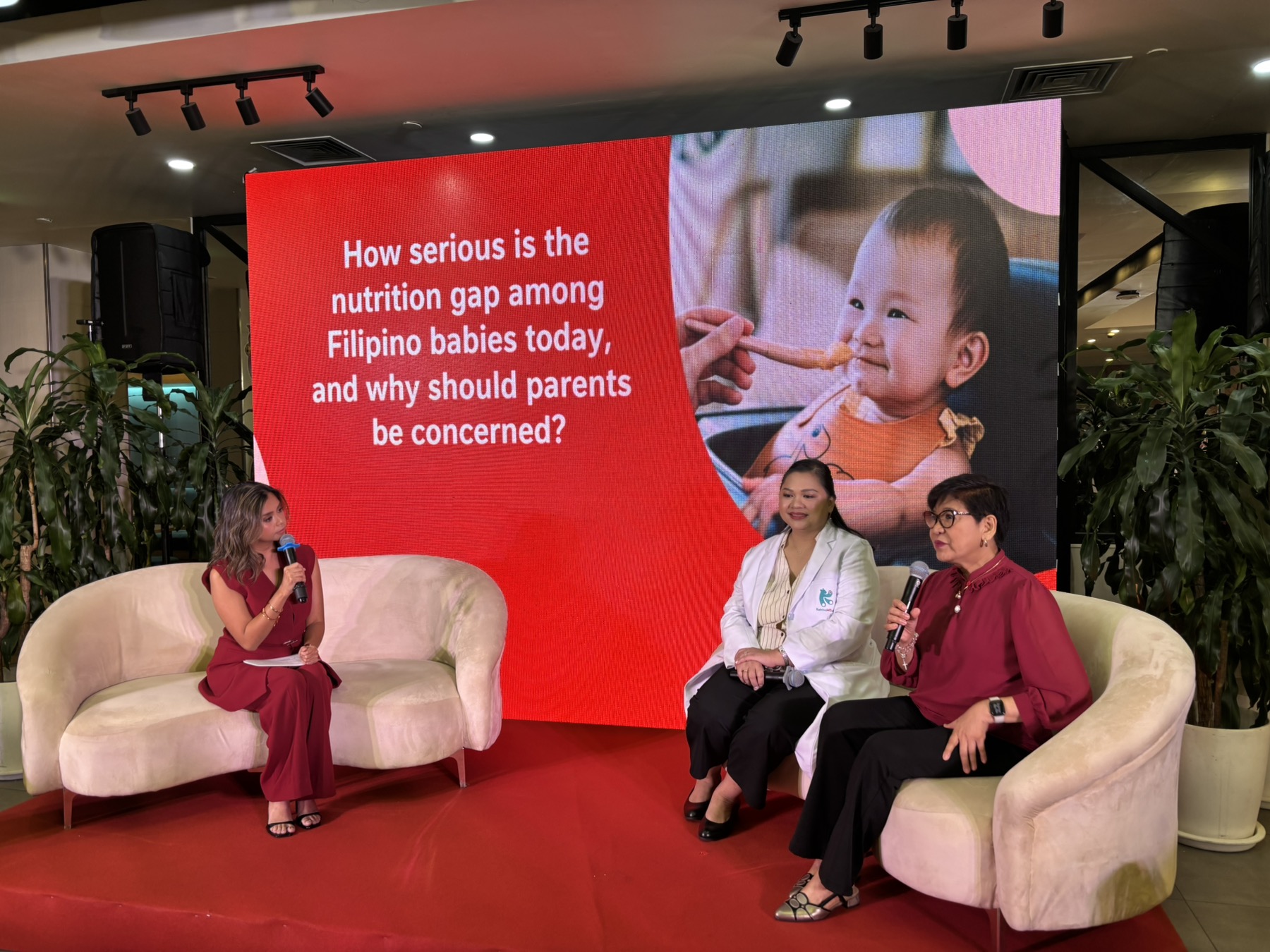
At around six months, babies begin complementary feeding, when foods and liquids are introduced alongside breast milk or formula. Dr. Imelda Agdeppa, an Academician of the National Academy of Science and Technology and former FNRI director, said it should focus on “adequacy, variety, balance, and in moderation for everything.”
Agdeppa noted that complementary feeding doesn’t mean stopping breastfeeding altogether, as breast milk remains a baby’s nutritional foundation from the very beginning. UNICEF also notes that breast milk provides vitamins, minerals, and enzymes that support growth—along with antibodies and beneficial bacteria that help protect babies from disease.
For parents, though, knowing what that balance looks like in an actual Filipino household is another matter. Florcruz-Dacanay suggested building variety throughout the day with iron- or protein-rich food, fruits and vegetables, an energy source, and textures suited to a baby’s developmental stage.
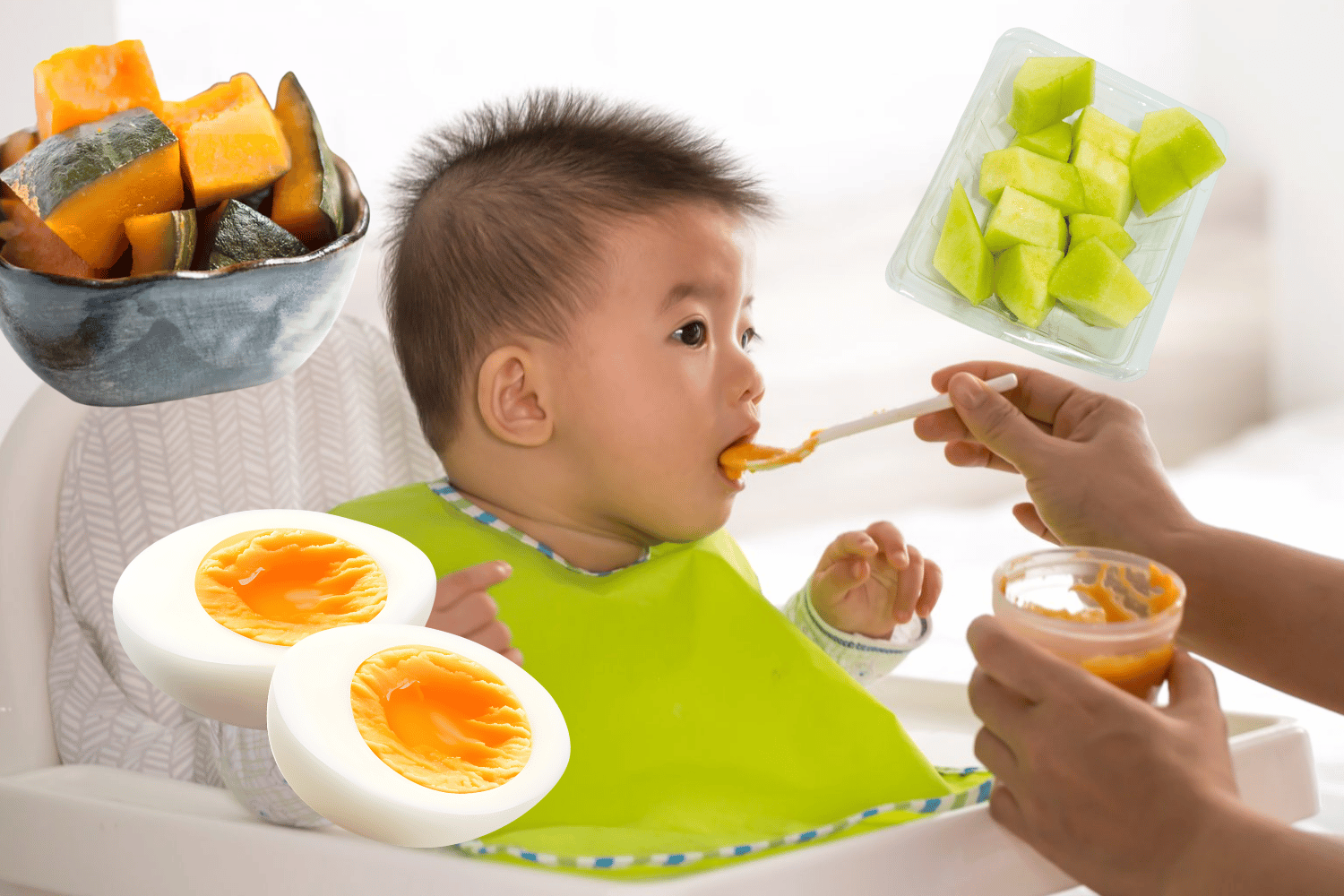
Fortified cereals, she added, can be paired with homemade food to help fill specific nutrient gaps, using cereal with kalabasa, egg, or banana as example.
That wais approach is where Cerelac, Nestlé’s decades-old baby food brand, comes in. Its infant cereals are fortified with 20 vitamins and minerals and are high in iron, with some products also containing DHA and B. lactis probiotic.
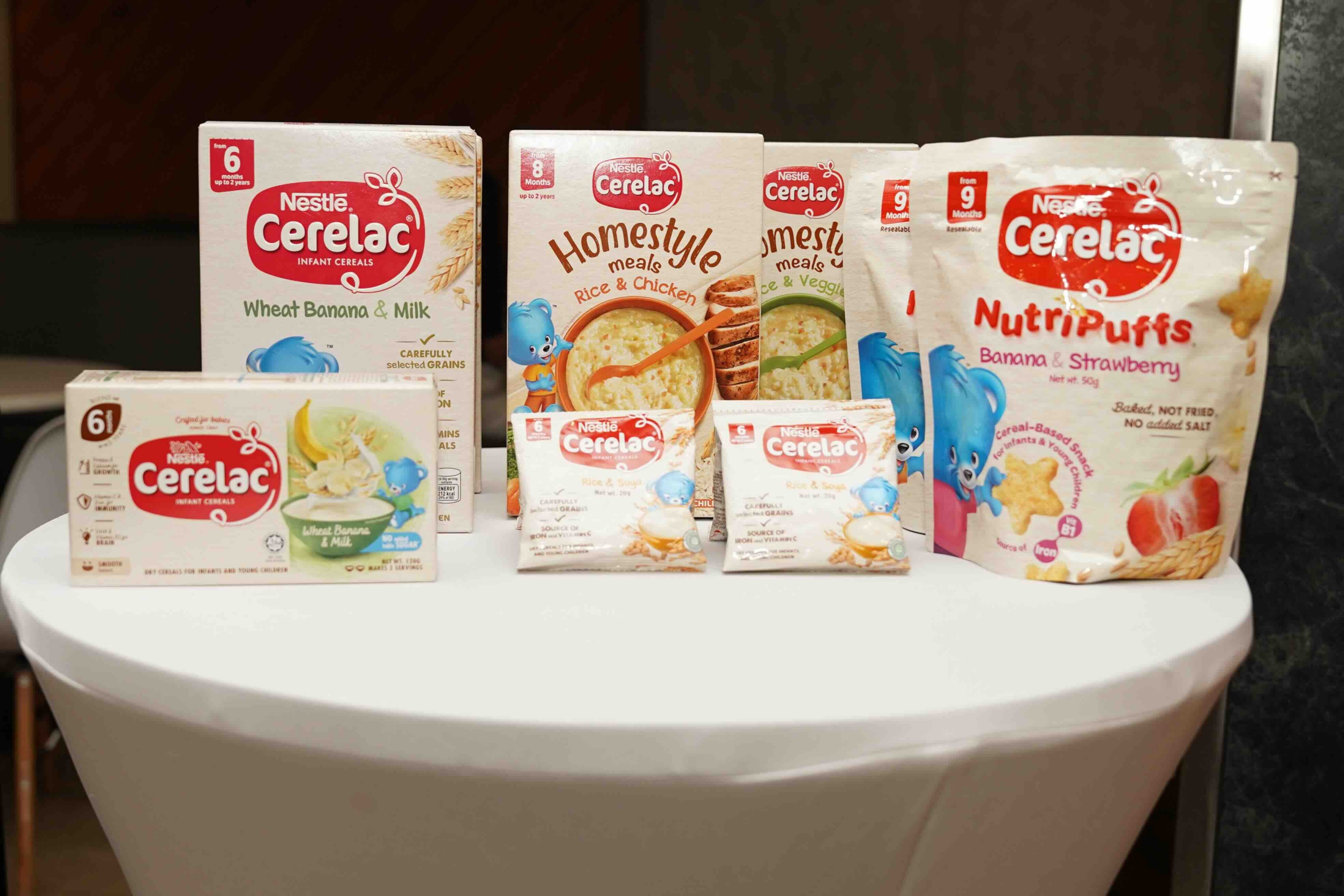
But Florcruz-Dacanay reminded parents that no single food should be expected to do all the work. “Sapat dapat ‘yong binibigay natin, and we can build the variety across the day,” she said.
She also encouraged parents to look beyond the front of a package and understand what they’re actually feeding their children: “It’s very important for moms to be educated about reading the label.”
Speaking of education, Nestlé Philippines launched “Tambalang Big Sustansya sa Barangay” on July 22, a nutritional education caravan that will visit four barangays in Metro Manila and Cagayan de Oro beginning Aug. 15.
The campaign is also part of a wider push. The National Nutrition Council has called on the private sector and other groups to strengthen nutrition efforts, particularly during the first 1,000 days.
Those days may sound like a long stretch of time but for parents, it ultimately comes down to something simple: giving their babies the nutrition they need every day.