Province monitors prices as visitor target more than doubles by 2028.
Camiguin is preparing for a tourism boom. But as the island gets ready to welcome more visitors, the provincial government is also keeping a close eye on something less glamorous but just as important: how much things cost.
The timing is interesting as tourism destinations across the country face closer scrutiny over prices. Bohol, for instance, has recently been in the spotlight following complaints over allegedly excessive charges at some establishments, prompting discussions about fair pricing and how tourist spending can affect a destination’s reputation.
Camiguin is taking a preventive approach. The province wants tourism spending to grow, but it also wants to make sure rising demand does not push prices beyond what tourists and residents can reasonably afford.
Camiguin, the second-smallest province in the country, recorded 397,818 tourist arrivals in 2025, up 23.32% from 288,558 in 2024. The island-province is targeting more than 824,000 visitors annually by 2028, including a larger share of foreign tourists.
In an interview with radar Business on the sidelines of a roundtable discussion on “Sustainable Island Destination Governance 2026,” Governor Xavier Jesus Romualdo said the goal is not simply to bring more people to Camiguin. The province wants visitors to stay longer, explore more destinations and spend more within the local economy.
That could mean more business for local farmers, fishers, artisans, guides, transport operators and other suppliers.
But tourism has a way of increasing demand for almost everything.
More visitors mean more people buying food, filling up vehicles, booking rooms and using local services. If supply does not keep pace, prices can rise for tourists and residents alike.
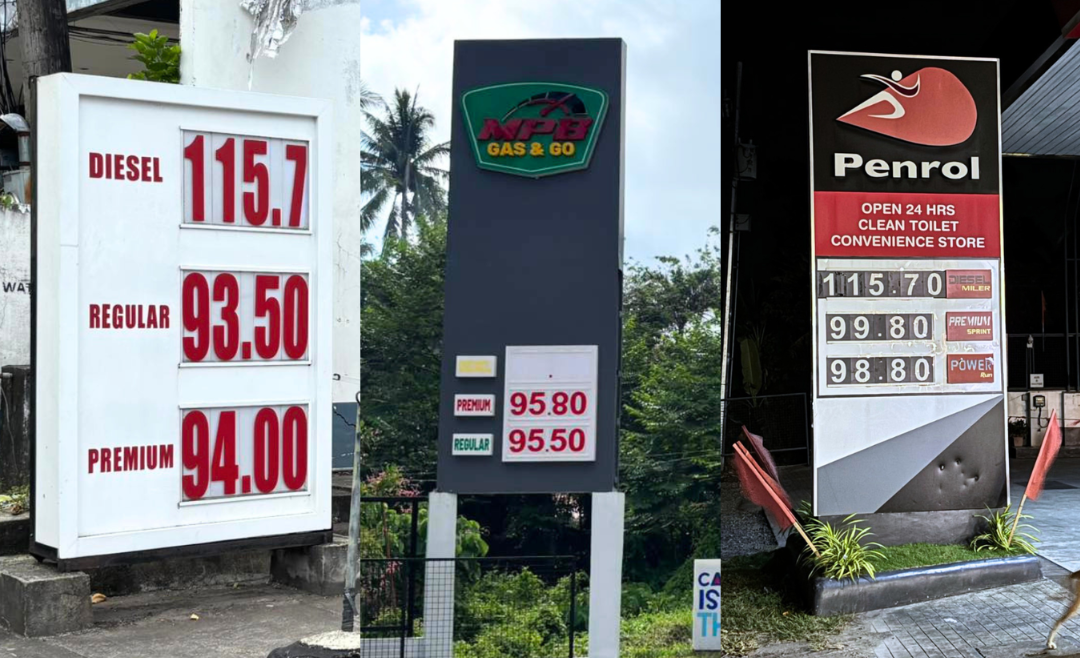
To keep that from getting out of hand, Camiguin has activated its local price-coordinating councils to monitor grocery prices, food and other inputs, while gasoline stations are being closely watched.
Camiguin has already had to keep a close watch on fuel prices. When gasoline prices rose following the Iran conflict, mayors issued show-cause orders to stations and submitted their findings to the Department of Energy.
Gasoline remains a particular concern, with a DOE study finding that Camiguin’s island location contributes to a fuel-price premium. The province continues to monitor prices and flag what it considers unreasonable charges.
The province is also preparing its infrastructure for more visitors. Camiguin currently has 170 tourism establishments with 1,312 rooms, while airport and port improvements are expected to support greater demand.
The tourism strategy, in other words, is not simply about getting more tourists through the airport or onto the island.
It is also about making sure the money they bring in circulates through the local economy without pushing everyday costs beyond reach.
As destinations across the Philippines compete for more visitors, price can become part of the tourism experience, too. Camiguin appears keen to make sure its tourism boom does not come at the expense of affordability for the people who live there.
READ: