
What it looks like at home and at the beach
At the household level, the impact is easier to measure.
Graham, a Camiguin resident, said his monthly bill dropped by roughly a third after installing solar panels. From around ₱30,000, it went down to about ₱20,000.
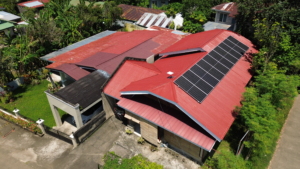
He describes the system less as an expense and more as an investment that pays back through steady savings.
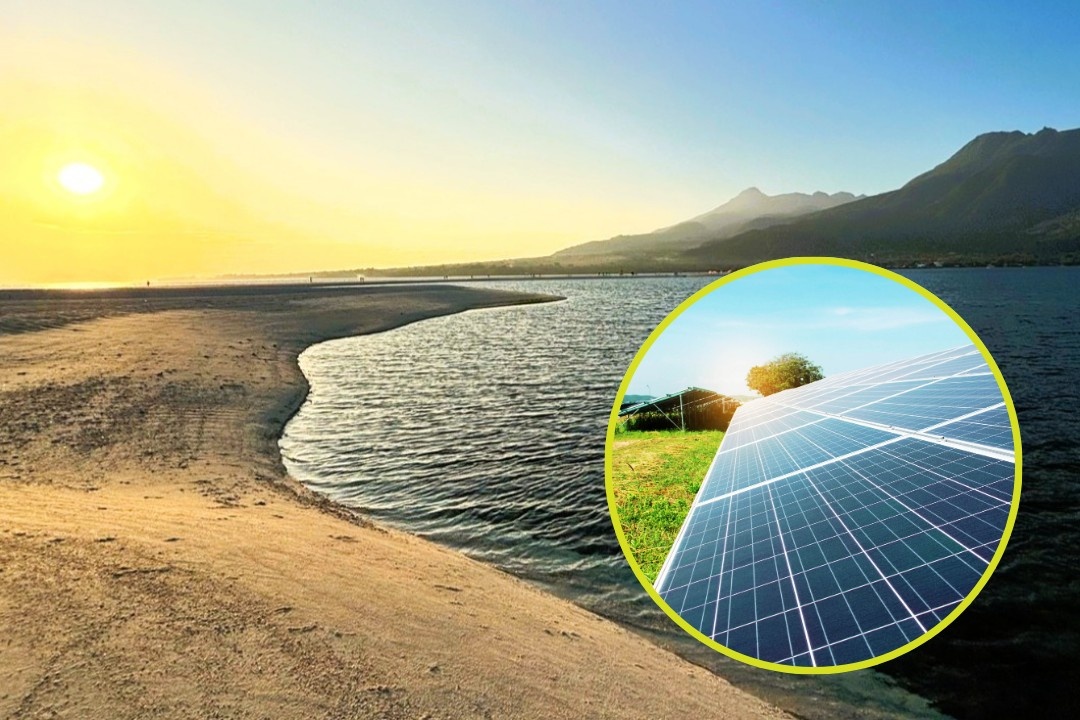
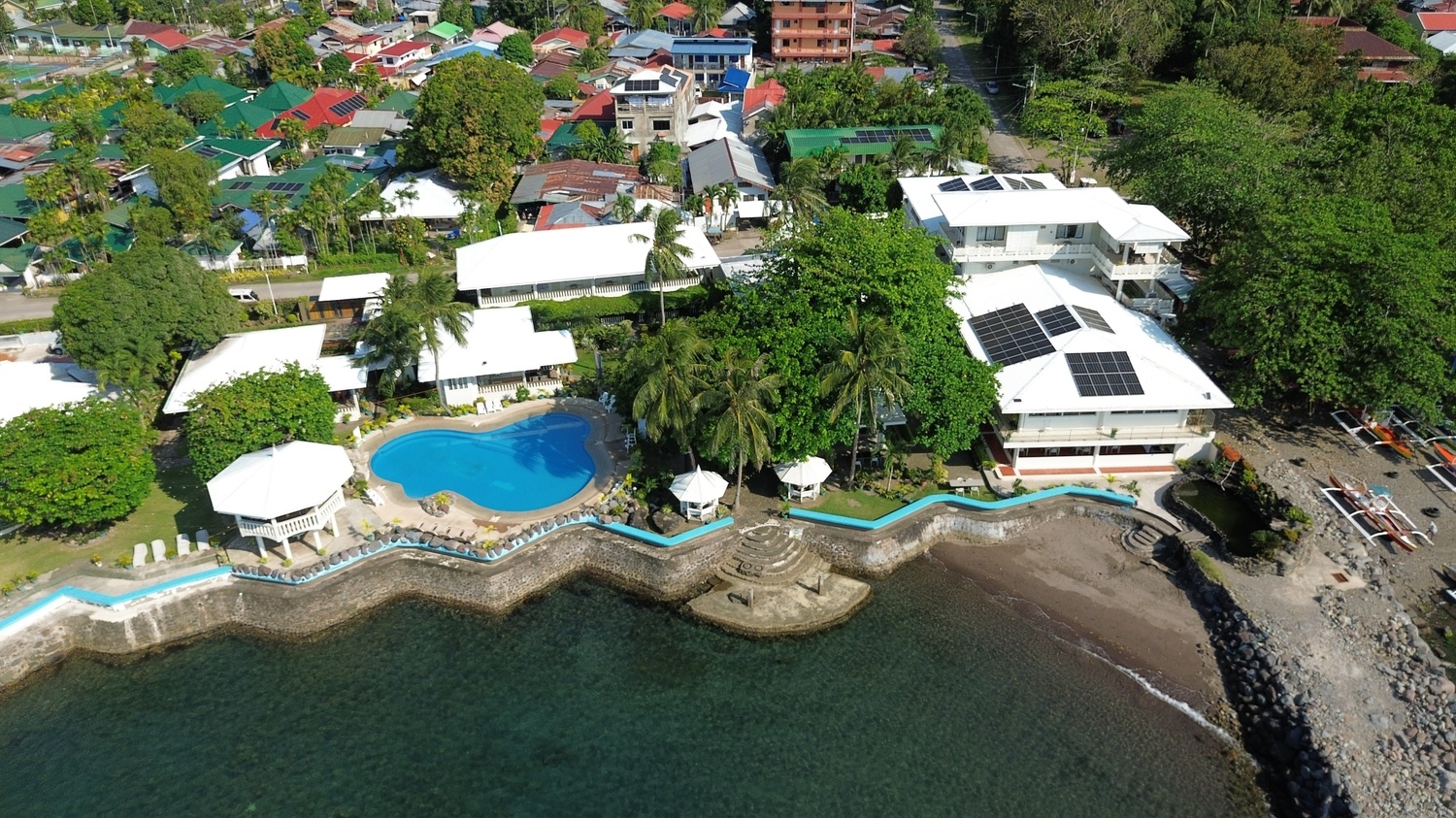
Resorts are seeing similar results. At Paras Beach Resort, solar has helped reduce reliance on the grid, especially during outages that can disrupt operations. For tourism businesses, even short interruptions can affect air-conditioning, refrigeration, and guest services.
While operators did not provide exact figures, they noted that savings have been enough to influence how they plan upgrades and manage operating costs, particularly during peak seasons when demand and outages tend to rise.
Across the island, these individual decisions are starting to form a pattern. What was once viewed as a costly upgrade is increasingly treated as a way to manage risk in an environment where both electricity prices and reliability remain uncertain.
Building momentum from the ground up
This gradual uptake is what the Mindanao Goes Solar movement aims to support.
Philline van der Wolk-Donggay, project lead of the initiative, said the focus is on showing how solar performs in real settings rather than presenting it as a concept.
“When people see actual savings from households, resorts, and local governments, it becomes easier for them to understand that solar is not just for large corporations or big cities,” she said.
The group works with local stakeholders to highlight existing installations across Mindanao, using them as reference points for others considering the switch. In Camiguin, this includes documenting how solar is already being used in public infrastructure and tourism sites, powering systems such as Wi-Fi, lighting, and basic services.
Van der Wolk-Donggay said the approach includes both large-scale projects and everyday users. “Households and small businesses are important because that is where widespread impact starts to show,” she said.
Why reliability matters for tourism
Tourism officials are seeing that impact play out in real time.
Several tourist sites now rely on solar-supported systems for connectivity and security, while a growing number of resorts are integrating solar into daily operations. On an island that markets itself on natural landscapes and a slower pace of life, energy reliability has become part of the visitor experience. Even brief outages can disrupt stays and operations.
There are still constraints. The absence of net metering means excess solar power cannot be credited back to the grid, limiting financial returns for users. Upfront costs also remain a barrier for smaller households.
Even so, interest continues to grow. More residents are asking about solar, more businesses are exploring it, and more public facilities are integrating it into their systems.
Camiguin’s direction is being driven by a straightforward reality: electricity is costly, supply is inconsistent, and savings matter. Across households, businesses, and government offices, the motivation is aligned—lower costs, more stable power, and greater control over energy use.
In that context, solar has become less of an alternative and more of a practical response to conditions on the ground. And on an island where sunlight is abundant and power challenges persist, that response is steadily gaining ground.
Camiguin is seeing a steady rise in solar adoption as electricity prices remain high and power supply stays unpredictable. With costs reaching nearly ₱20 per kilowatt-hour in the past and brownouts still common, households, resorts, and government offices are turning to solar energy as a practical way to reduce expenses and improve reliability.