Proposed 58% fee increase could give Filipinos a more secure passport, but not necessarily access to more countries.
The proposed increase in the Philippine passport fee is drawing complaints from Filipinos who already face relatively limited visa-free access compared with passport holders from other countries.
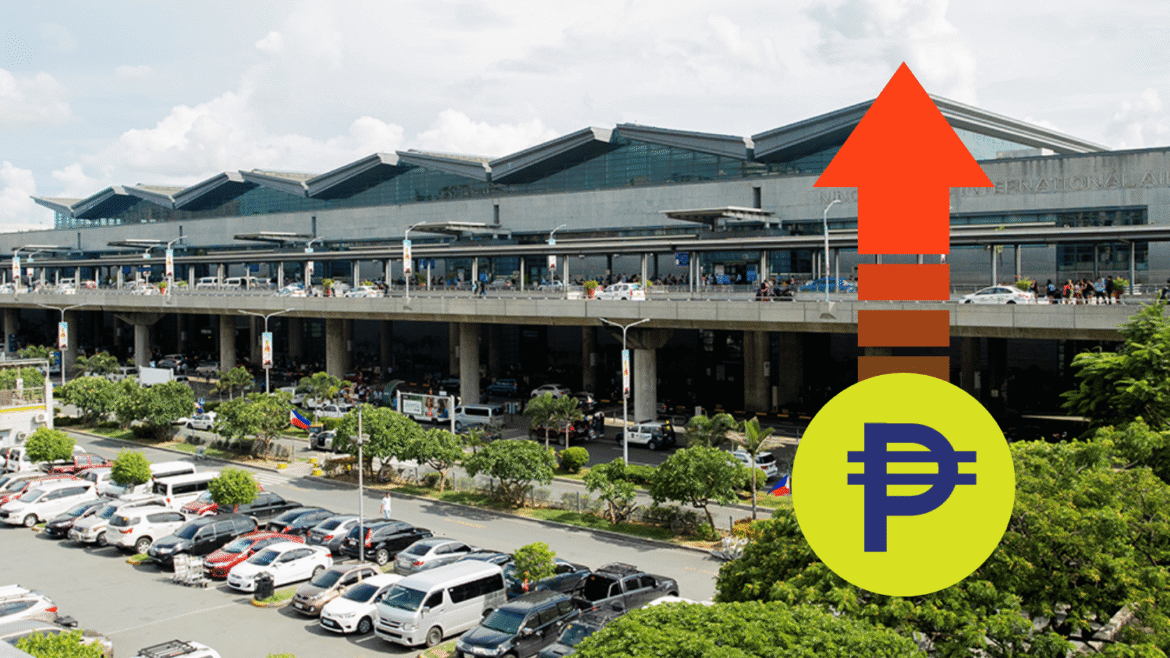
The regular passport currently costs ₱950, while expedited processing costs ₱1,200. The APO Production Unit, the state-owned printing contractor in charge of producing Philippine ePassports, has proposed raising the passport fee to ₱1,500 to incorporate enhanced security features.
Although the Department of Foreign Affairs has asked that the increase be delayed until 2028, when the next-generation Philippine passport is expected to be introduced, the proposed ₱550 increase would raise the regular fee by about 58%.
The higher fee is being discussed partly because of the cost of producing passports and maintaining the system. But the price of the document is separate from the policies that determine where Filipinos can travel without a visa.
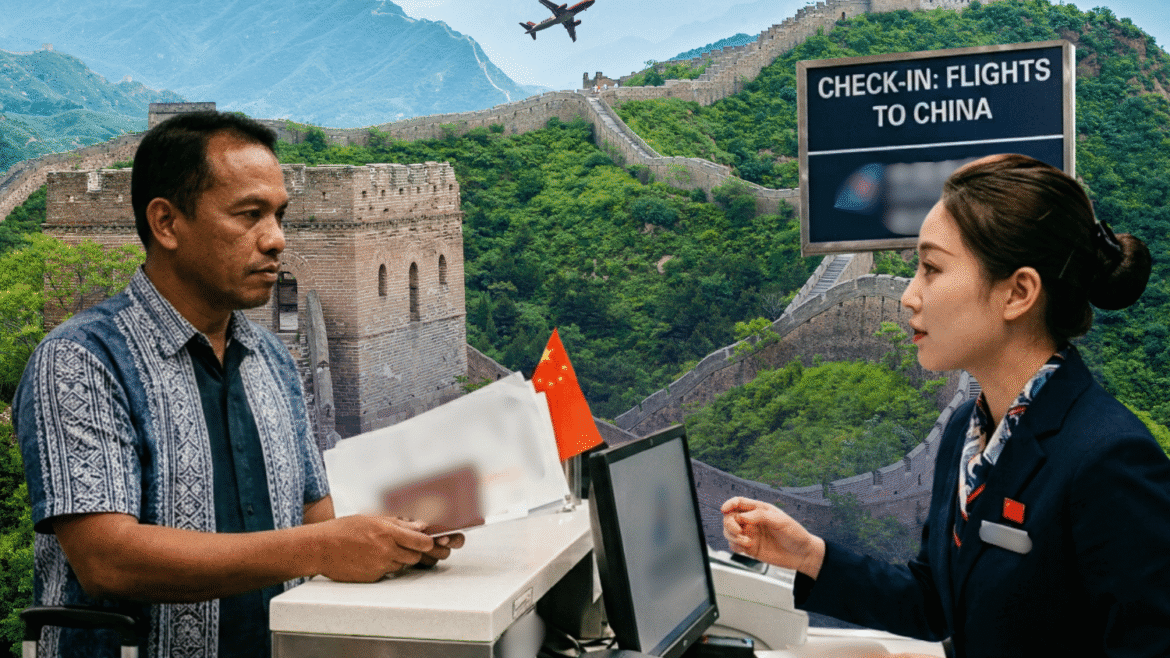
The Philippines currently has access to far fewer destinations than passport holders from countries such as Singapore, Japan, and South Korea.
The latest Henley Passport Index ranks the Philippine passport at 76th globally, with visa-free or visa-on-arrival access to only 65 destinations, placing the Philippines among the lower half of global passports in terms of visa-free access.
Visa access depends on factors including diplomatic relations, reciprocal arrangements, immigration risks, and security considerations.
Migration behavior can also affect how governments assess travelers from a particular country. Filipinos who overstay visas or work without authorization abroad contribute to concerns about irregular migration, although these cases do not represent the millions of Filipinos who travel legally for tourism, work, study, or family visits.
Improving the Philippine passport’s mobility requires more than upgrading the passport itself. The government also has to maintain diplomatic efforts that can lead to visa exemptions or easier application processes while addressing concerns that influence foreign governments’ visa policies.
That creates a distinction between passport quality and passport strength. A new passport can have better security features, biometrics, and technology without automatically giving its holder access to more countries.
The proposed ₱1,500 fee may eventually come with a more advanced passport, particularly once the next-generation document is introduced. But the benefit that most travelers need most is access to more places they can enter without going through another visa application.
READ: