Slow registration and red tape could keep farmers from fuel assistance and other government support.
Around 40% of farmers are not included in the government’s agricultural registry system, potentially leaving them out of assistance as fuel prices rise.
For farmers already dealing with rising fuel and production costs, being left out of the registry could also mean being left out of government assistance.
The Registry System for Basic Sectors in Agriculture, or RSBSA, is maintained by the Department of Agriculture and used to identify farmers and fisherfolk who may qualify for government assistance. Registration is voluntary, but it serves as a key requirement for accessing many DA programs and services.
During a House hearing on the 2027 national budget, lawmakers said farmers not listed in the RSBSA will not receive aid distributed through the registry, including fuel assistance previously provided to registered farmers and those who own or rent agricultural machinery.
But being outside the registry is not necessarily a simple matter of failing to sign up. Lawmakers and agricultural officials have pointed to slow registration processes, documentary requirements, limited manpower at the local level, and a lack of awareness among some farmers as reasons for gaps in the registry.
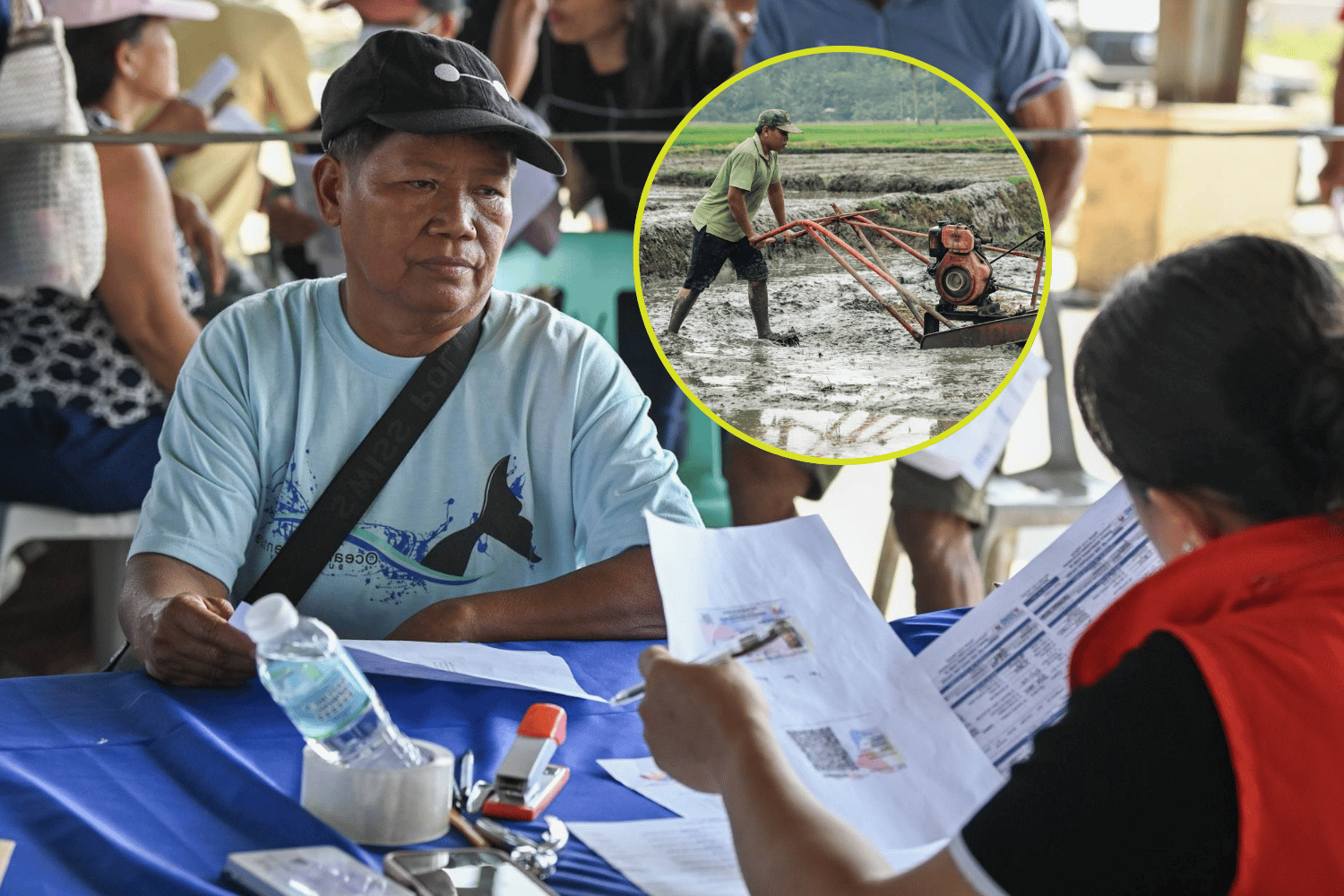
Farmers are required to submit a valid government ID and documents showing land ownership, tenancy or a lease agreement. The DA has also acknowledged the need to bring registration services closer to farmers in remote areas, where geographical location can cause delays.
The DA has said it needs more agricultural extension workers to reach communities at the barangay and purok levels, with around 23,000 workers said to be needed.
In the administration’s fifth State of the Nation Address, the government highlighted capital, farm inputs, equipment, technical knowledge, and insurance as forms of support for farmers and fisherfolk.
It also cited nearly 40,000 agricultural machines, 145 rice processing systems, and three large cold storage facilities provided to the sector, along with a target to plant 100 million coconut trees by the end of 2028.
The reach of these programs, however, depends partly on whether farmers are properly identified and registered in government records.
As fuel prices rise again, farmers outside the registry risk shouldering higher production costs without access to assistance intended to cushion the impact.
READ: