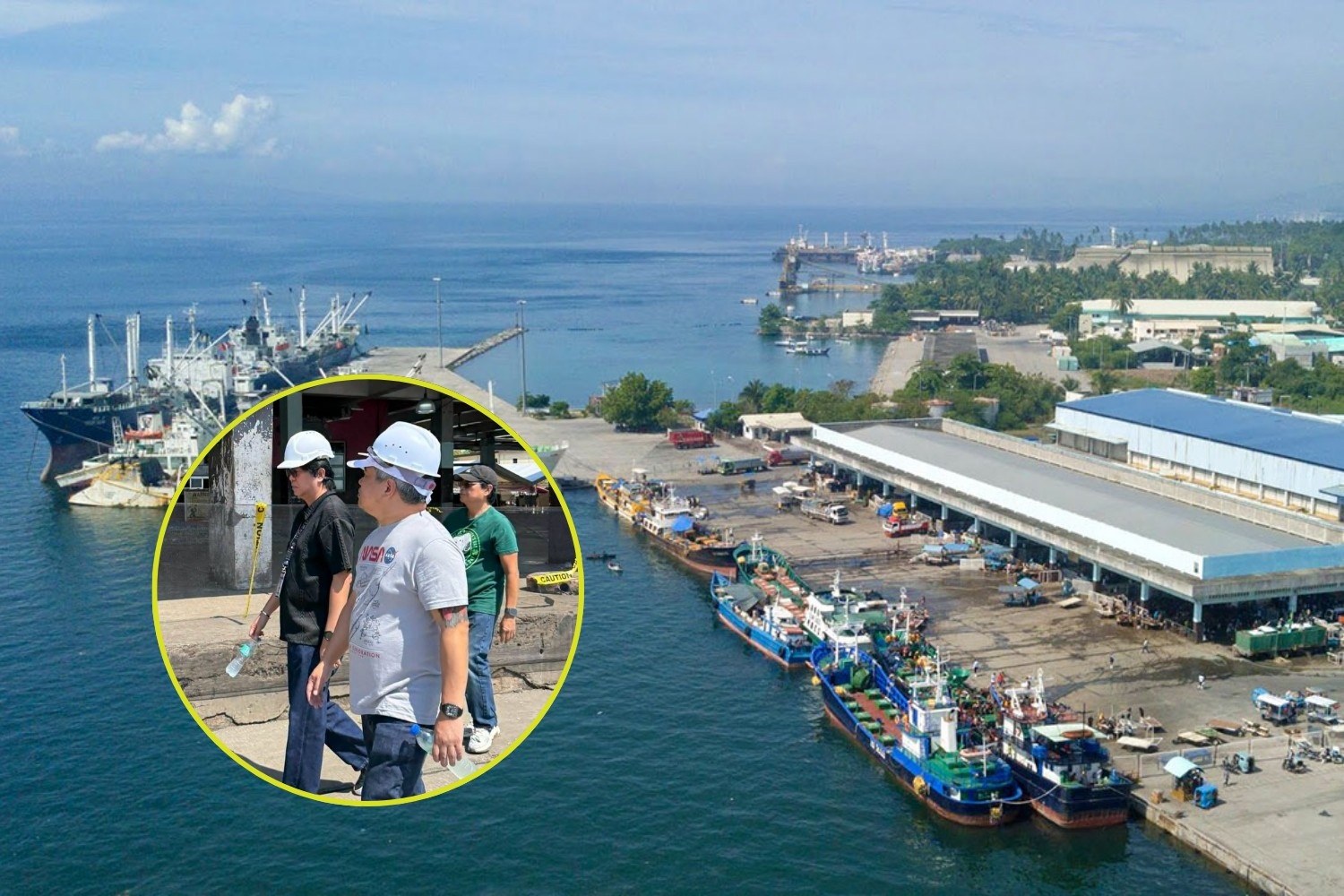
The General Santos Fish Port Complex is a significant gateway for the nation’s tuna industry.
Livelihoods of 200,000 Filipinos at risk as authorities tighten inspections at key fisheries hub in General Santos City.
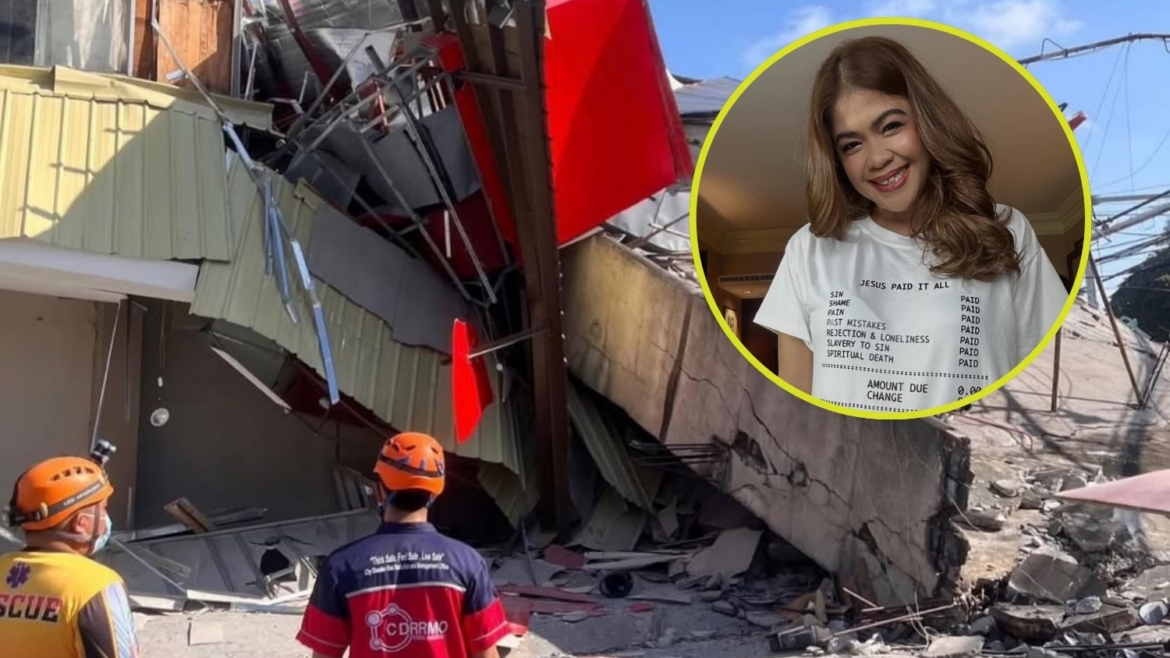
The magnitude 7.8 Mindanao earthquake has placed one of the country’s most important fisheries facilities under closer watch as its structural integrity remains under observation, with potential implications for food distribution and livelihood in nearby communities.
Meanwhile, operations at the port’s other sections remain restricted pending further evaluation.
Although fish trading and export activities have largely continued through contingency measures, authorities are racing to complete safety inspections as aftershocks continue to pose risks to workers and traders.
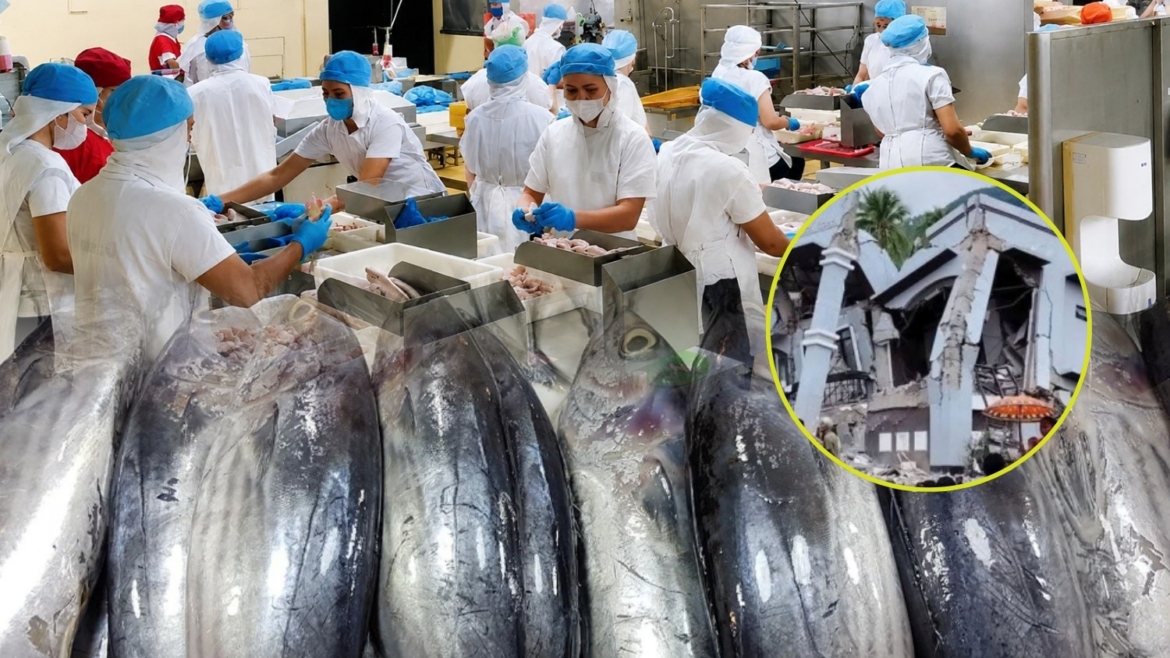
The General Santos Fish Port Complex is a crucial gateway for the country’s tuna industry, connecting fisherfolk, processors, exporters, and buyers across Mindanao and overseas markets.
Any prolonged disruption could affect the flow of seafood products and economic activity in nearby communities, where thousands of families rely on the fishing industry for income.
According to the DA, more than 200,000 Filipinos depend directly and indirectly on the local fishery sector, making the port’s stability critical to the national economy.
John Lloyd is a journalist by trade and a House Stark loyalist at heart. He writes all things business and tech—with bits of Spanish and chess on the side.