The LRT-2 disruption highlights why emergency transport should be ready when rail service is suddenly interrupted.
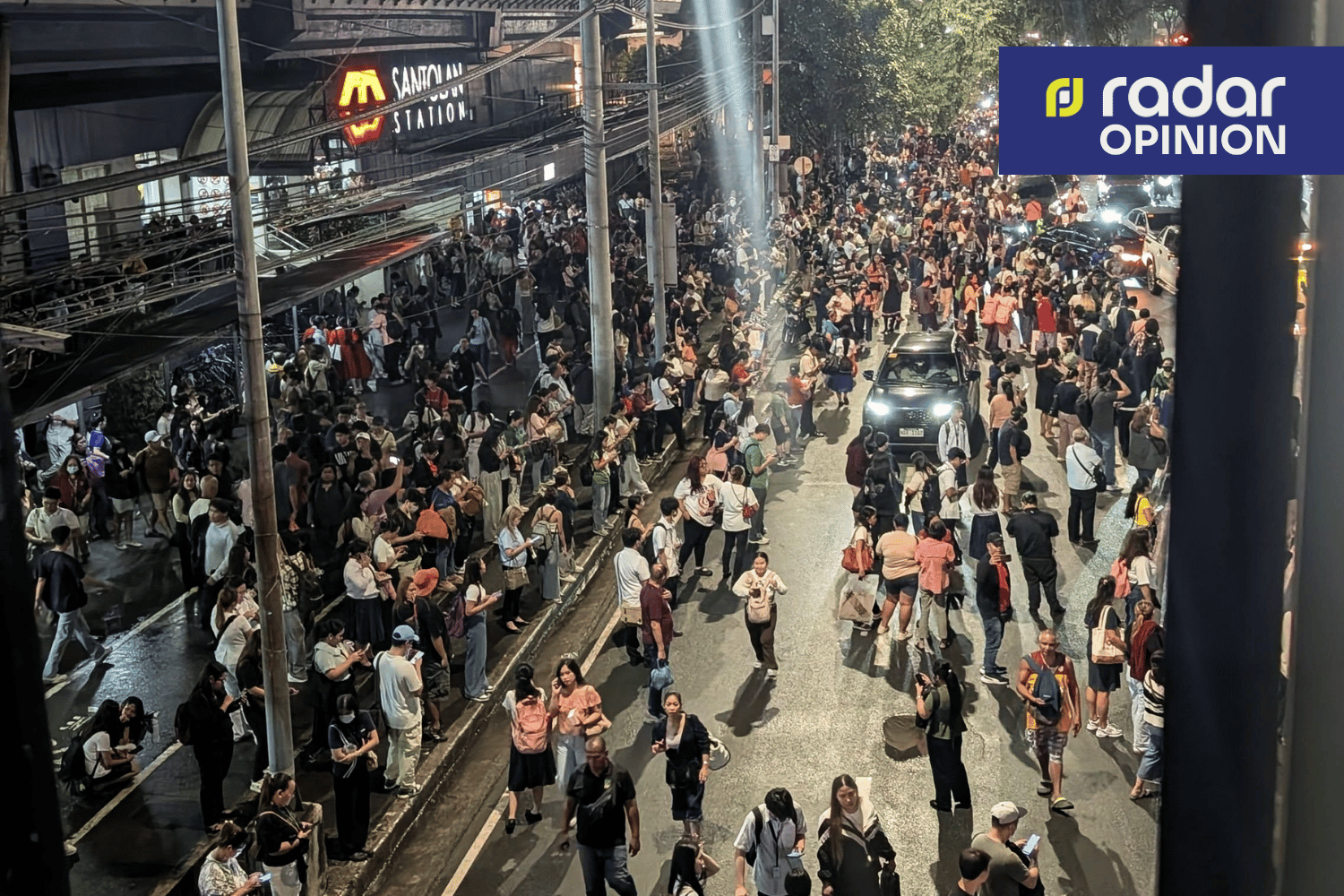
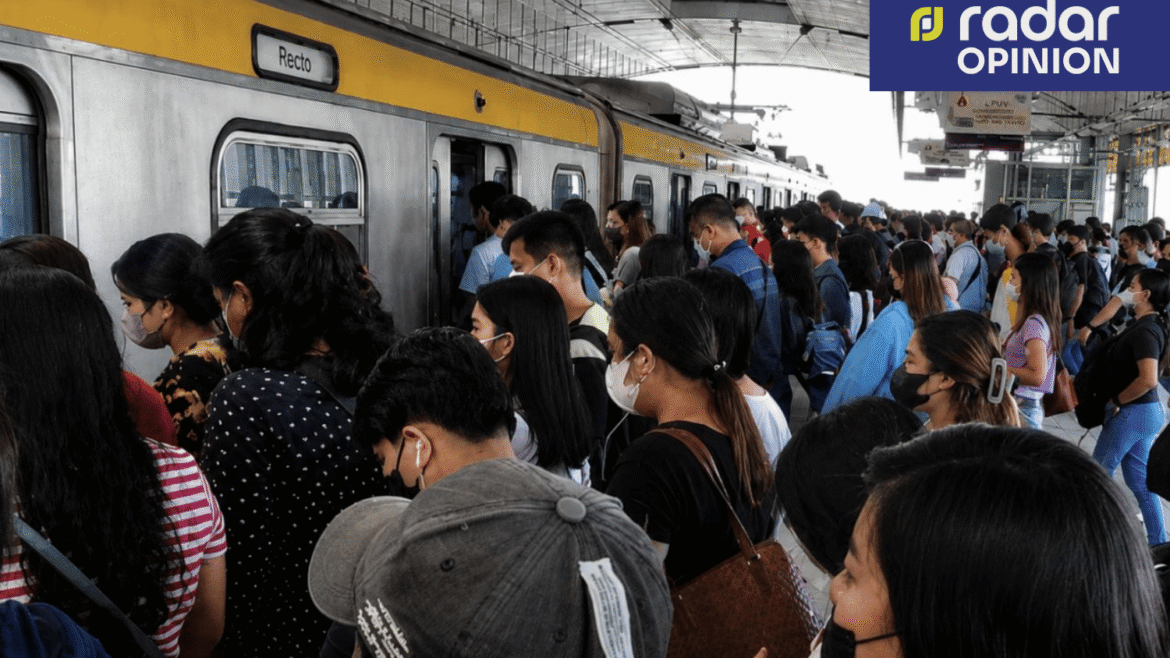
Thousands of commuters heading to Marikina, Antipolo, and other areas beyond Santolan were left looking for alternative ways home on September 22 after a lightning strike damaged an overhead power line at LRT-2’s Antipolo Station.
The incident forced the railway to limit operations to the Recto-Santolan section while repairs were underway, leaving passengers bound for the eastern end of the line to find other ways to continue their trips.
For commuters, the problem was not the lightning strike itself. It was the lack of a ready transport backup when the railway suddenly became unavailable.
Road transport was already dealing with the same traffic and weather conditions affecting the railway, making the sudden loss of a major mass-transit link even more difficult for passengers.
This is where the government needs a more deliberate contingency system for mass transport.
A railway disruption should automatically trigger a coordinated backup involving buses, jeepneys, shuttle vehicles, and other available modes along affected corridors, with clear pickup points and sufficient capacity to accommodate passengers displaced by the train shutdown.
The government has already used this approach during planned LRT-2 disruptions. In July, the Light Rail Transit Authority said it would deploy shuttle vans and coordinate with other agencies to provide additional transportation while the line underwent track repairs.
That same system should be ready to activate when disruptions happen without warning, whether because of equipment failure, flooding, earthquakes, lightning, or other force majeure events.
It’s impossible to prevent every railway failure. But commuters should not have to figure out on their own how to get home every time one happens.
A resilient transport system should be measured by how quickly it can keep people moving when one part of it fails.
Every major rail line should have a ready contingency plan, identified replacement routes, and transport capacity that can be activated quickly when thousands of passengers are suddenly displaced.
READ: