DENR urges the public to practice sustainable forest management and contact local offices to learn more about lapnisan permits and regulations.
The Department of Environment and Natural Resources (DENR) has reminded the public that collecting, possessing or trading lapnisan taken from the wild is prohibited, as the highly valuable tree faces continued pressure from poaching.
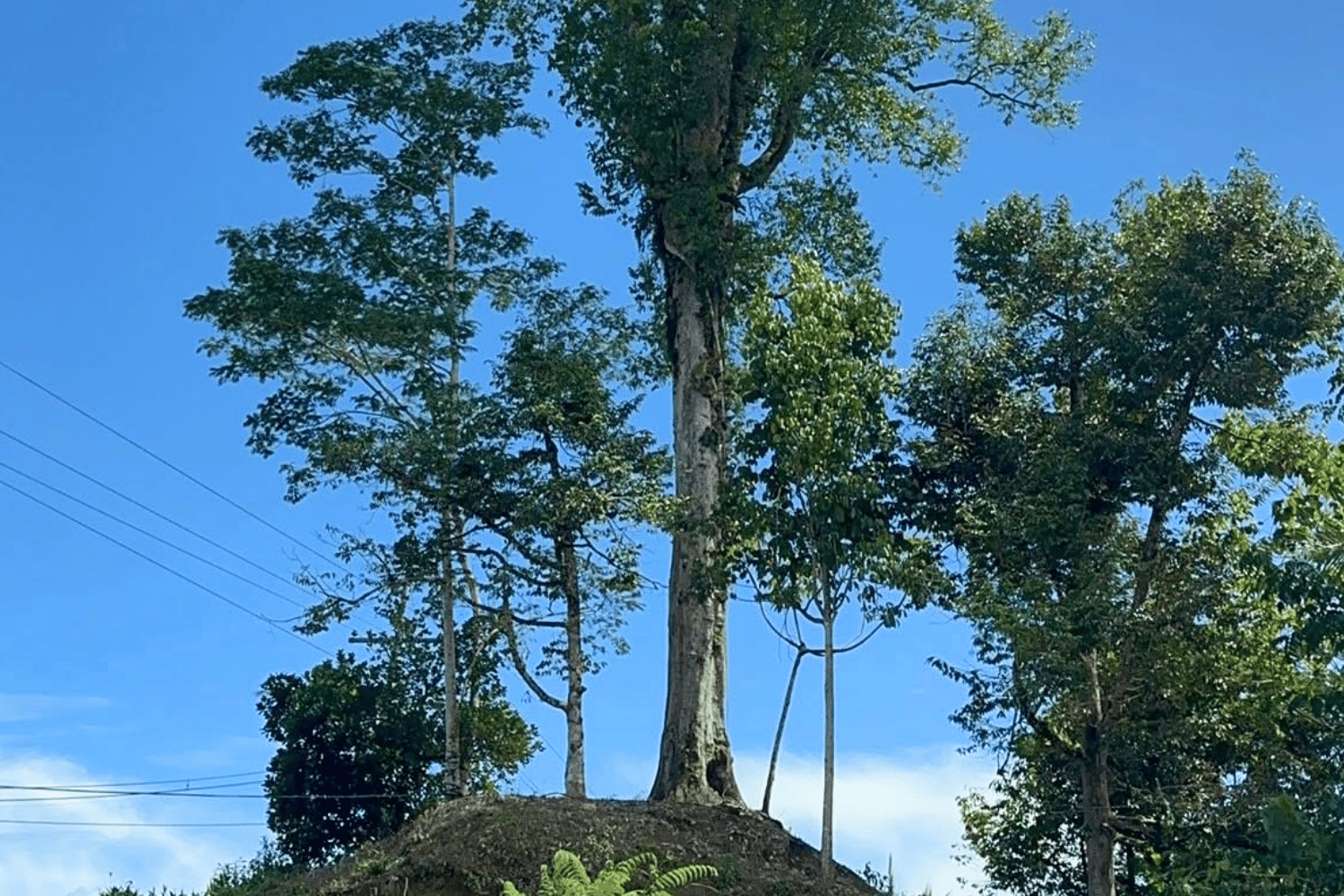
In an advisory, DENR Davao Region said Aquilaria malaccensis, locally known in some parts of the Philippines as lapnisan, is classified as Critically Endangered under DENR Administrative Order No. 2026-20, or the Updated National List of Threatened Philippine Plants and Their Categories.
Lapnisan is one of the tree species associated with the production of agarwood, a rare, dark and intensely fragrant resinous wood prized internationally for incense, traditional preparations and luxury fragrances.
Agarwood is also the source of oud, an aromatic oil that is among the most sought-after ingredients in high-end perfumery.
But its enormous commercial value has also put lapnisan under threat.
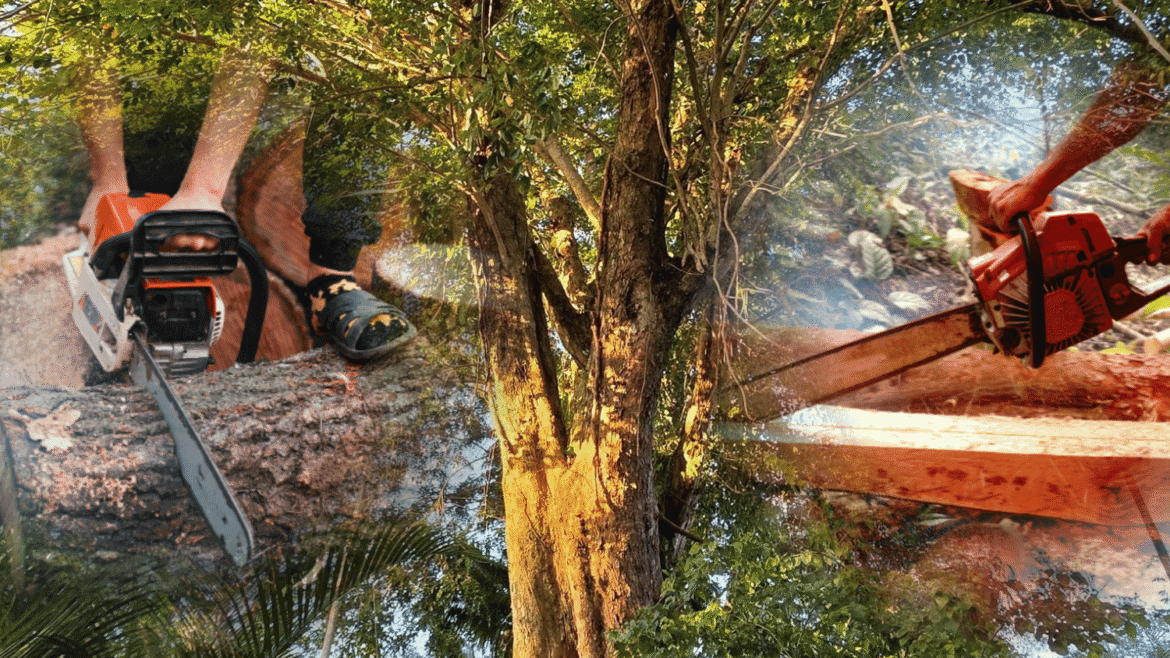
According to the DENR, extensive poaching contributed to the species’ critically endangered status, prompting strict government regulation.
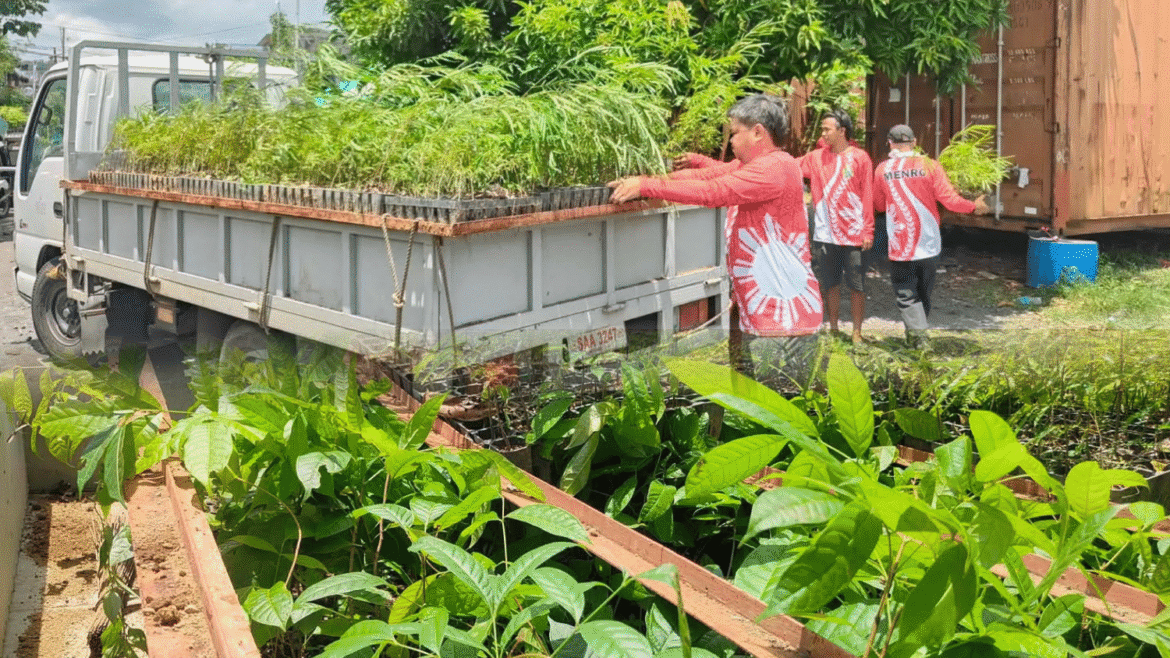
The agency stressed that possession, collection from the wild and trading of the species—including its by-products and derivatives—are prohibited without the necessary legal authority. Propagation is likewise regulated and subject to applicable permits and requirements.
Illegal acquisition may constitute a violation of Republic Act No. 9147, or the Wildlife Resources Conservation and Protection Act, and can result in penalties prescribed by law.
The species is also covered by the Convention on International Trade in Endangered Species of Wild Fauna and Flora or CITES, which regulates its international commercial movement through a permit and licensing system.
The DENR’s warning is particularly significant because agarwood can command extremely high prices, creating a lucrative illegal market and encouraging the cutting of wild trees in the hope of finding resin-rich wood.
Not every lapnisan tree naturally contains commercially valuable agarwood. The fragrant resin develops as a defense response when certain Aquilaria trees are wounded or infected, making resin-rich specimens relatively uncommon and further driving their value.
The DENR urged the public to support legal and sustainable management of forest resources and to coordinate with the nearest DENR office for information on permits and regulations involving lapnisan.
“Know the law. Protect our forests. Support the legal, responsible, and sustainable management of our forest resources,” the agency said.
READ: