Both white and purple ube still share the same earthy sweetness, creamy texture, and aroma that Filipinos associate with classic ube halaya.
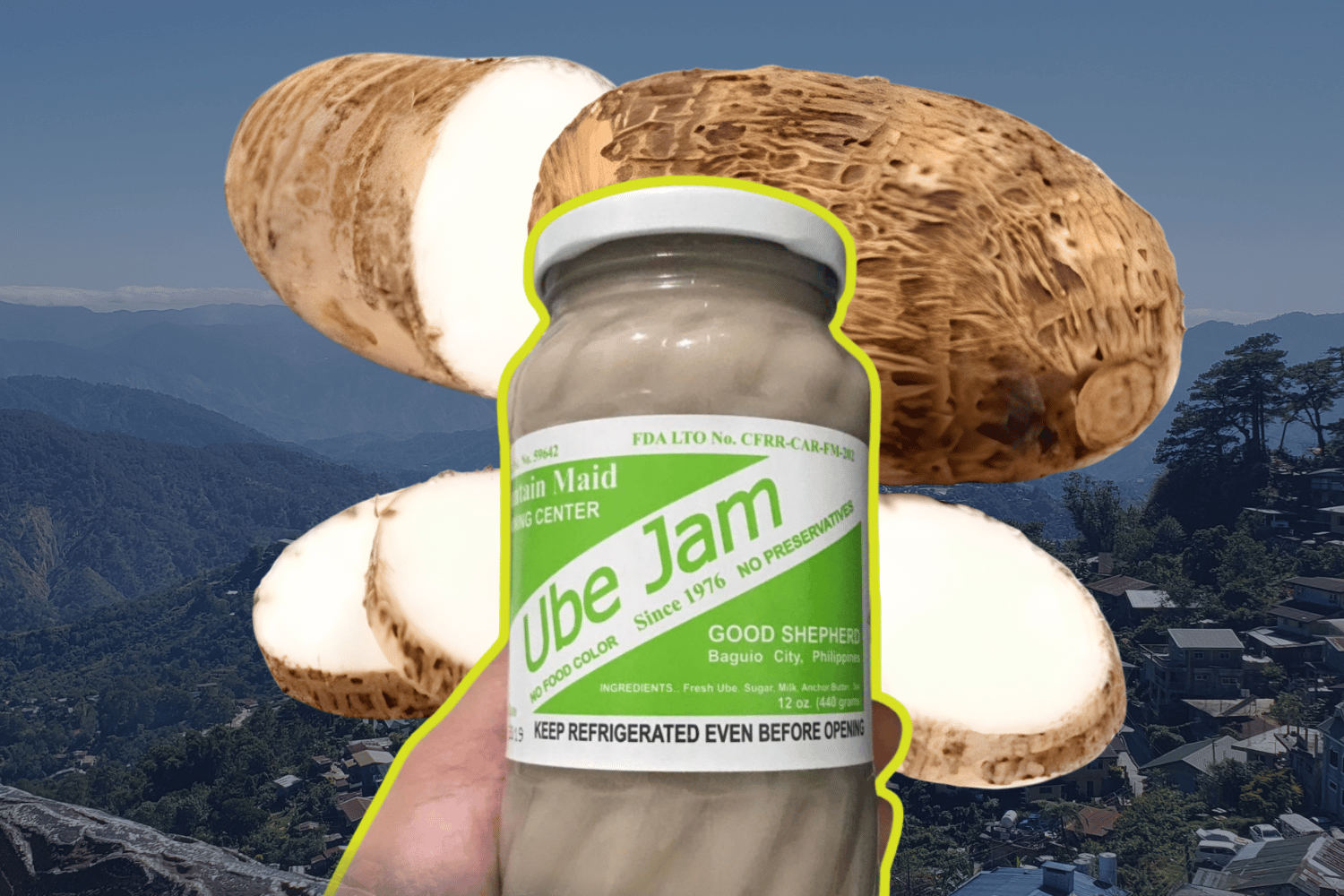
You finally managed to get your hands on a jar of the famous Good Shepherd ube jam from Baguio. But instead of the familiar deep violet color you expected, you open the lid and find a creamy white spread staring back at you.
Did they accidentally give you the wrong product?
Not at all.
One of the biggest misconceptions among Filipinos is that white yam and purple ube are completely different crops. In reality, the white “ube” used by Good Shepherd is simply a white-fleshed variety of the same species as the traditional purple ube: Dioscorea alata.
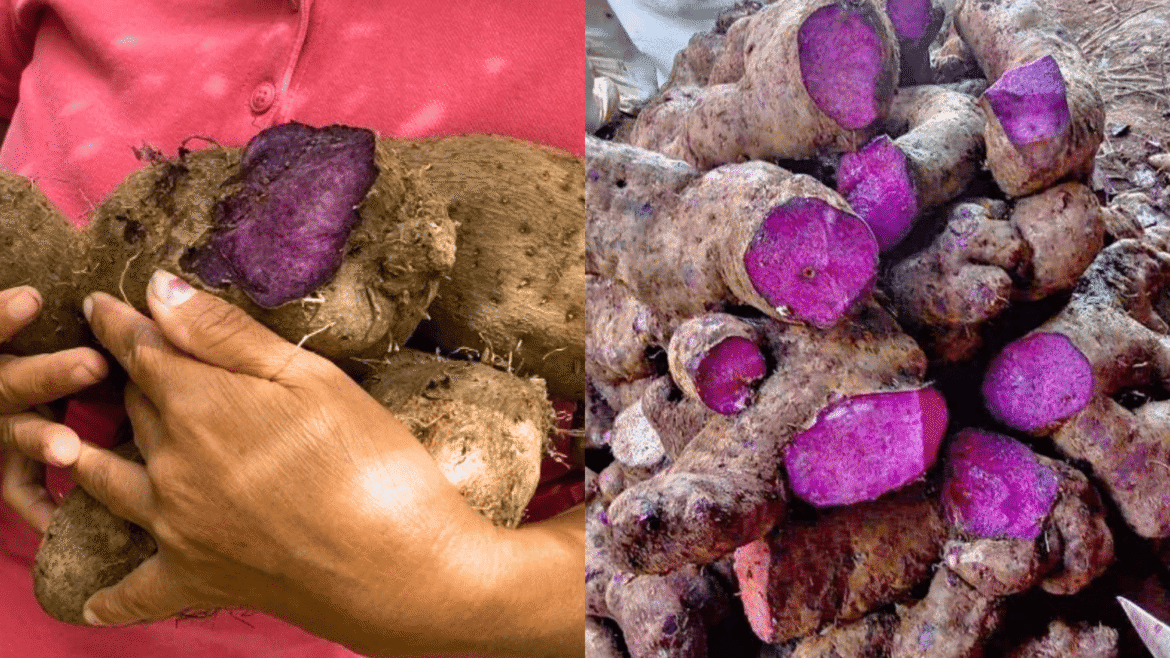
In other words, they’re members of the same family. The biggest difference is their flesh color.
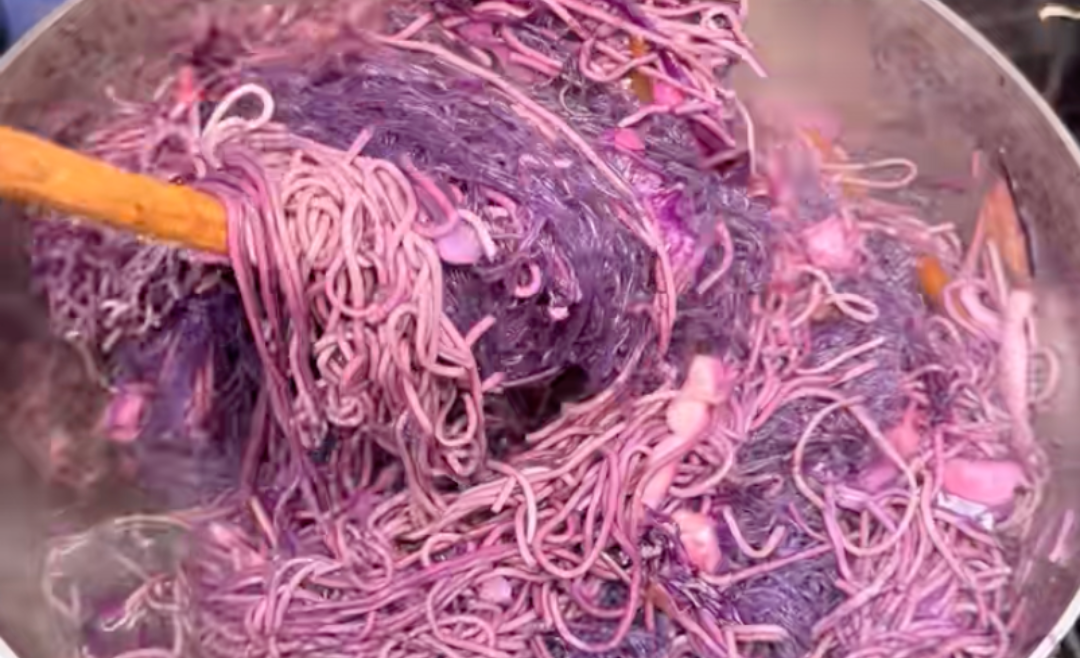
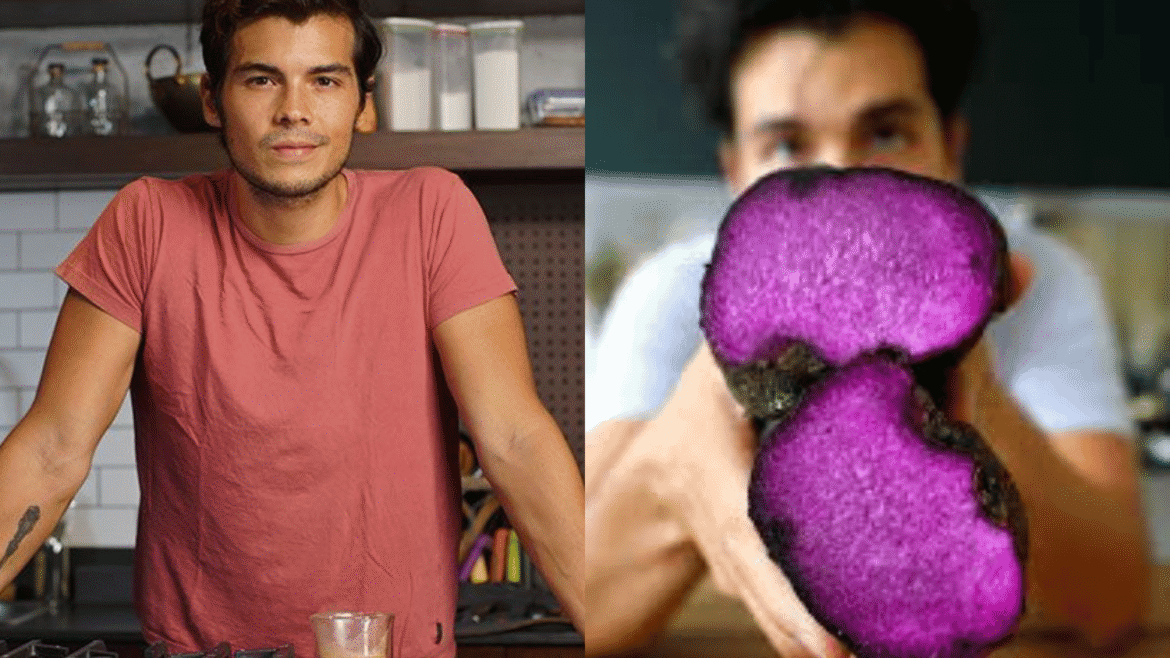
Purple ube gets its signature vibrant hue from natural pigments called anthocyanins—the same antioxidants that give blueberries and purple cabbage their color. White ube, meanwhile, naturally lacks these pigments, leaving it with a pale cream or beige appearance.
Surprisingly, the flavor is nearly identical.
Both varieties share the same earthy sweetness, creamy texture, and aroma that Filipinos associate with classic ube halaya. The only major visual difference is the absence of the iconic purple color.
This became particularly important several years ago when Good Shepherd Convent in Baguio faced a severe shortage of purple ube due to changing weather patterns that affected harvests. Rather than stop producing its iconic jam or resort to artificial food coloring, the convent switched to white-fleshed Dioscorea alata.
The decision surprised many customers who initially thought the famous ube jam had changed recipes or contained a different ingredient. In reality, Good Shepherd simply stayed true to its philosophy of using natural ingredients, allowing the product’s authentic color to reflect the crop available.
The move also sparked a broader conversation about climate change’s impact on Philippine agriculture. Purple ube has become increasingly difficult to cultivate consistently because it is more vulnerable to shifting temperatures and erratic rainfall, making stable supplies harder to maintain.
Today, both purple and white varieties continue to be grown in the Philippines. While the purple version remains the more recognizable and photogenic ingredient—especially in desserts and social media-worthy pastries—the white variety offers virtually the same taste and cooking qualities.
So the next time you come across a jar of white “ube” jam, don’t mistake it for an imitation.
It isn’t fake ube.
It’s simply ube wearing a different color.
READ: