The town of Catmon preserves a pre-colonial millet delicacy that offers a nutty, melt-in-your-mouth alternative to the classic rice suman.
In an era where food trips are dictated by viral posts and algorithm-driven cravings, the real treasures are often the ones that don’t trend. Tucked in the quiet town of Catmon lies one such discovery—budbod kabog, a delicacy so rooted in history that many Filipinos have never even tasted it.
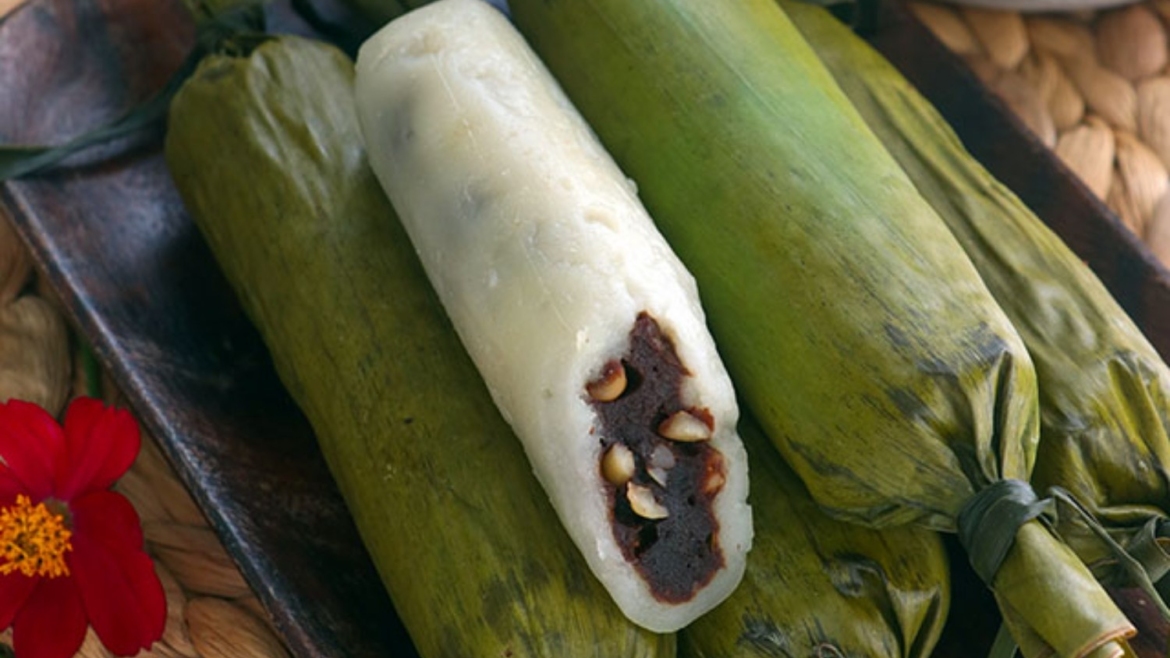
At first glance, it looks familiar. Wrapped in banana leaves like any suman, tied neatly in small bundles, and sold in roadside stalls with little fanfare. But unwrap it, and the difference reveals itself instantly. Instead of the usual sticky rice, budbod kabog is made from kabog—millet seeds once widely grown in Cebu long before colonial influences reshaped local diets.
The result is a suman unlike any other. Light, almost airy, with a delicate grainy texture and a natural golden hue. It carries the gentle richness of coconut milk, subtly sweetened, sometimes with a hint of ginger. It doesn’t cling to the palate the way glutinous rice does—it melts, quietly, leaving behind a soft, nutty finish. Paired with ripe mangoes or a cup of thick sikwate, it transforms into a breakfast that feels both rustic and indulgent.
From folklore to festival
But what makes budbod kabog truly special isn’t just its taste—it’s its story. The grain itself is steeped in folklore, named after bats (kabog) believed to have first discovered the wild millet. Today, its production is painstaking and increasingly rare, relying on traditional methods passed down through generations.
Every year, Catmon celebrates this heritage through the Budbud Kabog Festival, where locals reenact the entire process—from planting to wrapping—through dance. It’s both a tribute and a quiet resistance against the fading of an heirloom food.
Beyond Cebu, sightings of budbod kabog are sporadic. You might chance upon it in markets in Dumaguete City, or occasionally in specialty shops in Metro Manila. But nothing compares to tasting it where it truly belongs—fresh, warm, and unassuming, by the roadside in Catmon.
In a country rich with culinary traditions, budbod kabog stands as a reminder: not all treasures are loud. Some are wrapped in banana leaves, waiting patiently to be rediscovered.
Instead of the usual sticky rice, budbod kabog is made from kabog—millet seeds once widely grown in Cebu long before colonial influences reshaped local diets.
READ: