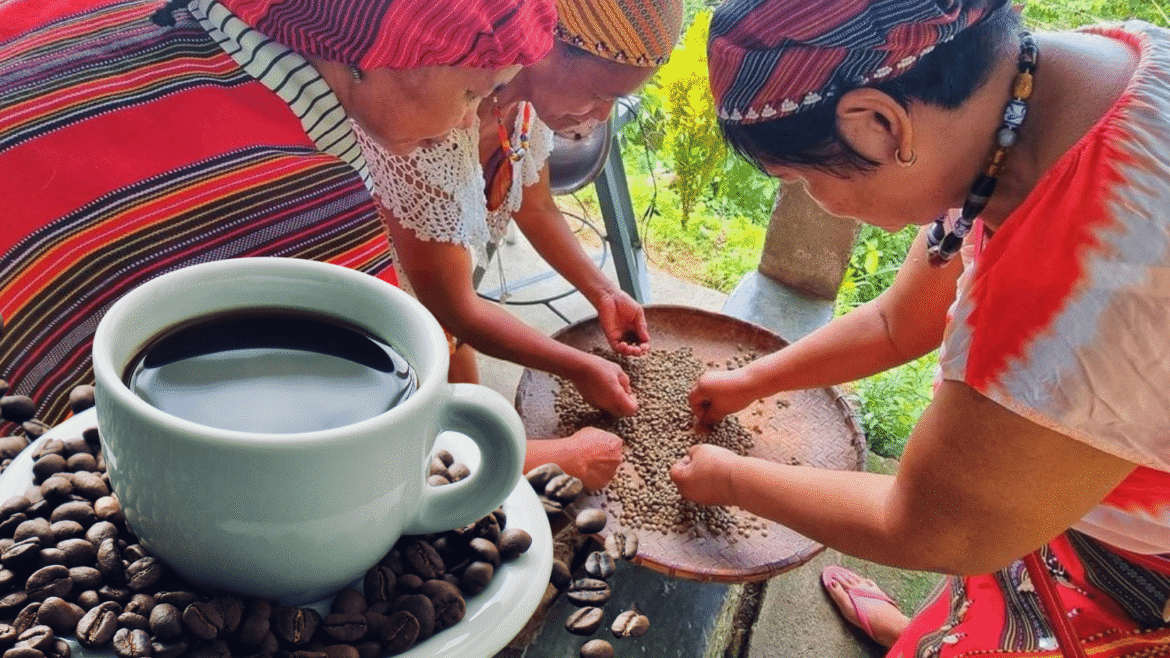
While Coffea liberica originated elsewhere, generations of cultivation, local culture, and tradition in Batangas turned the bean into kapeng barako.
Ask many Filipinos what makes Batangas coffee special and one word immediately comes to mind: barako.
Strong. Dark. Aromatic. The kind of coffee older generations brewed in a pot and served steaming hot with sugar.
But here is the surprise: the coffee species behind kapeng barako is not originally Filipino.
So can we really call barako uniquely ours?
Yes—but with an important distinction.
Barako is liberica, but liberica is not barako
Kapeng barako is traditionally associated with Coffea liberica, a coffee species native to West and Central Africa. Liberica is also cultivated elsewhere in Southeast Asia, including Malaysia and Indonesia.
Filipinos therefore cannot claim liberica itself.
What developed here is barako—the distinctly Filipino identity surrounding liberica grown particularly in Batangas and Cavite.
As local coffee specialists put it: All barako is liberica, but not all liberica is barako.
How a foreign bean became Filipino
Coffee arrived in Batangas during the Spanish colonial period, with Lipa eventually becoming the center of a thriving coffee industry.
Over generations, liberica became so closely associated with the province that Filipinos gave it an identity of its own.
Even the name is unmistakably local.
“Barako” is a Tagalog word associated with a male stud and, culturally, with strength and toughness—fitting for a coffee known for its powerful aroma and flavor.
Compared with familiar arabica and robusta, liberica can have a bold, woody and full-bodied profile, sometimes carrying fruity, floral or even jackfruit-like aromas.
More than just coffee
In Batangas, barako became part of everyday life.
Traditionally, it may be boiled and served strong, often sweetened with brown or muscovado sugar.
There are even accounts of Batangueños pouring coffee over rice and eating it with salty or dried food—a reminder of how deeply coffee became embedded in local food culture.
And that is what makes barako Filipino.
Like many things we consider distinctly ours, its raw ingredient came from somewhere else. Generations of cultivation, language, preparation and memory transformed it into something local.
Liberica can be grown around the world.
But the bean may have come from elsewhere.
Barako was born here.
READ: