Minimum fares rise to ₱14 for traditional jeeps and ₱17 for modern jeeps.
Jeepney rides are set to get more expensive starting Monday, Sept. 28, adding to the daily costs of commuters who rely on the country’s most widely used form of public transport.
Traditional jeepneys will have a minimum fare of ₱14—from ₱13—for the first four kilometers, with ₱2 for every succeeding kilometer.
Modern jeepneys, meanwhile, will charge ₱17—from ₱15—for the first four kilometers, with ₱2.40 for every succeeding kilometer.
For someone taking two traditional jeepney rides a day, the new ₱14 minimum fare means at least ₱28 a day for transportation, before additional charges for trips beyond 4 kilometers.
For modern jeepneys, the ₱17 minimum means at least ₱34 a day for two rides, also before succeeding-kilometer charges.
Over 20 working days, that comes to at least ₱560 for traditional jeepneys and ₱680 for modern jeepneys. Assuming 240 working days in a year, the same two daily rides would cost at least ₱6,720 and ₱8,160, respectively.
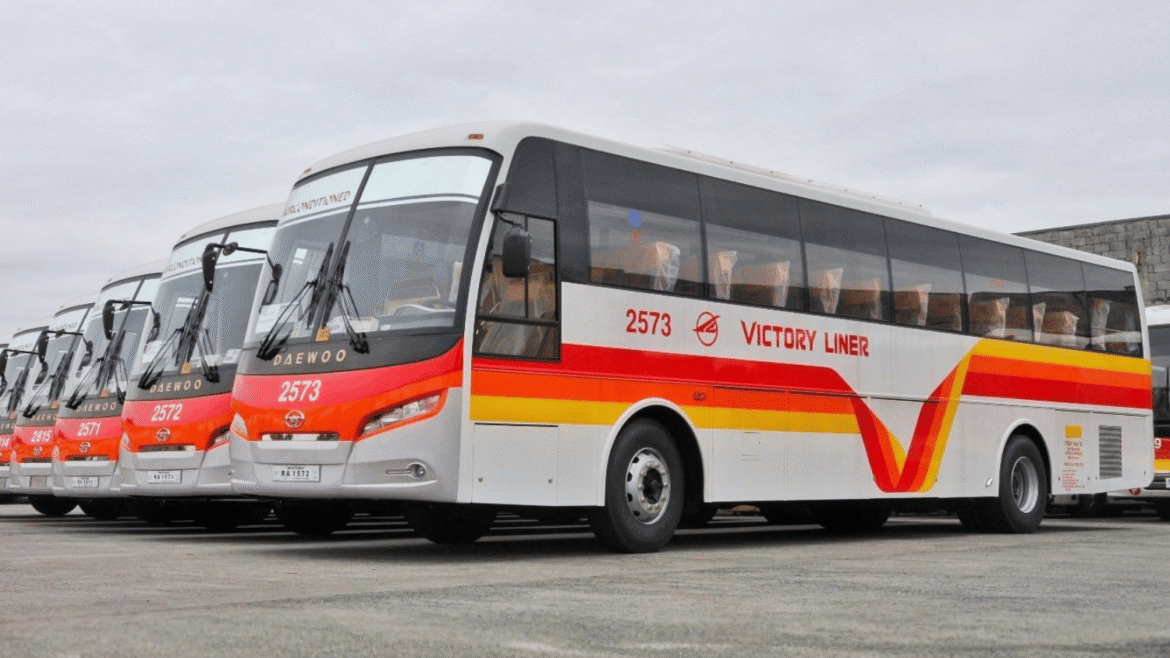
Commuters taking other forms of public transport will also pay more starting Monday. Ordinary city buses will charge ₱15, up from ₱13, while air-conditioned buses will go to ₱18 from ₱15. Ordinary provincial bus fares will rise to ₱12 from ₱11, while air-conditioned provincial buses will get a ₱2.45 increase for every succeeding kilometer.
Airport taxi flag-down rates will rise to ₱115 from ₱75, while TNVS base fares will increase by 20%, depending on the vehicle type. P2P bus fares will also go up by 15%.
The new rates follow a recommendation from the Land Transportation Franchising and Regulatory Board, which was approved in March but later deferred.
The fare increase comes as fuel prices surged this year amid global oil-market supply disruptions, prompting the government to roll out cash assistance and fuel subsidies for public transport workers.
As of July 26, the government had distributed more than ₱373 million in ₱10-per-liter fuel assistance, reaching more than 90,000 public utility jeepney and UV Express units.
The impact on drivers has also been substantial. A Congressional Policy and Budget Research Department paper found that average take-home pay among public utility jeepney drivers in Quezon City fell 46.7%.
The same government research found that the fuel subsidy and a one-time ₱5,000 cash assistance helped cushion drivers in the short term, but described the measures as temporary relief rather than a long-term solution.
That leaves the fare increase as a balancing act. Every additional peso collected from passengers can help cover the cost of keeping a jeepney running. Yet every peso also becomes added daily expenses for commuters.
The government had described a fare hike as a “last resort” while it continued looking for ways to help drivers without immediately passing higher fuel costs on to commuters.
READ: