Generative AI isn’t limited to ChatGPT prompts.
You may insist you don’t use generative AI. You’ve never opened ChatGPT. You don’t ask a chatbot to write your emails. You certainly don’t consider yourself an “AI user.”
But look at your phone.
Generative AI is increasingly buried inside ordinary apps and features, sometimes without users even thinking of them as AI. Unlike traditional predictive AI, which analyzes information to recommend or forecast something, generative AI creates new content—text, images, pixels, audio or video.
And chances are, you’ve already used it.
That may be the strangest part about generative AI today.
It isn’t confined to people sitting in front of ChatGPT typing prompts. It is increasingly becoming another button inside the camera, gallery, editing app or writing tool you already use.
You may think you’ve never used generative AI.
Check your phone again.
When you erase an EPAL from your photo
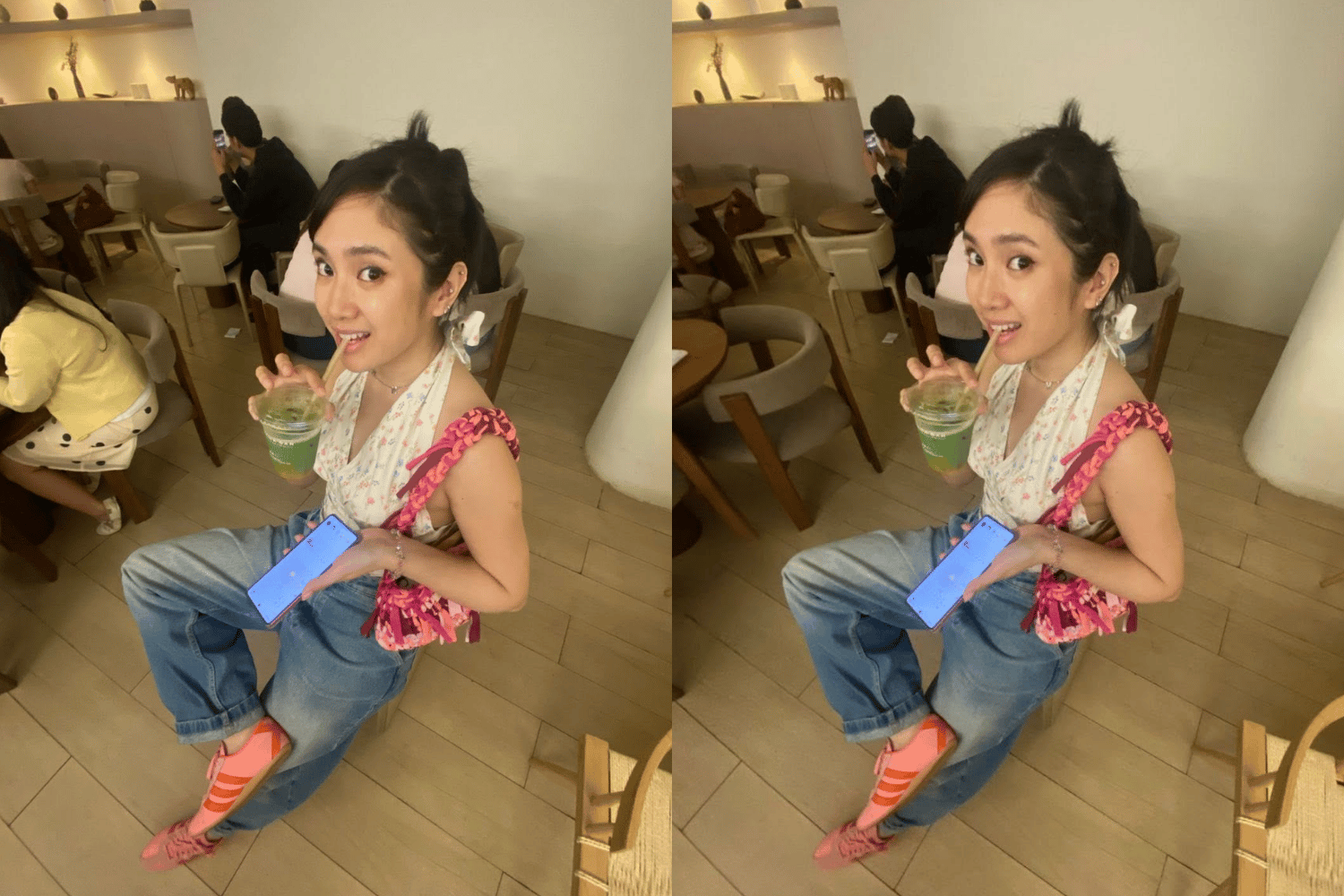
You took a gorgeous photo at a café in BGC. The lighting is perfect, the outfit is giving—but there’s a trash can behind you or an accidental photobomber ruining the shot.
You tap an AI object-removal tool and the unwanted object disappears.
This can involve generative inpainting. Instead of merely cutting something out, a generative model creates new pixels to fill the missing area based on its surroundings. That wall, floor or table suddenly appearing behind the erased person may not have existed in the original photograph at all.
The AI essentially imagined what should have been there.
When you “restore” lolo and lola’s old photos
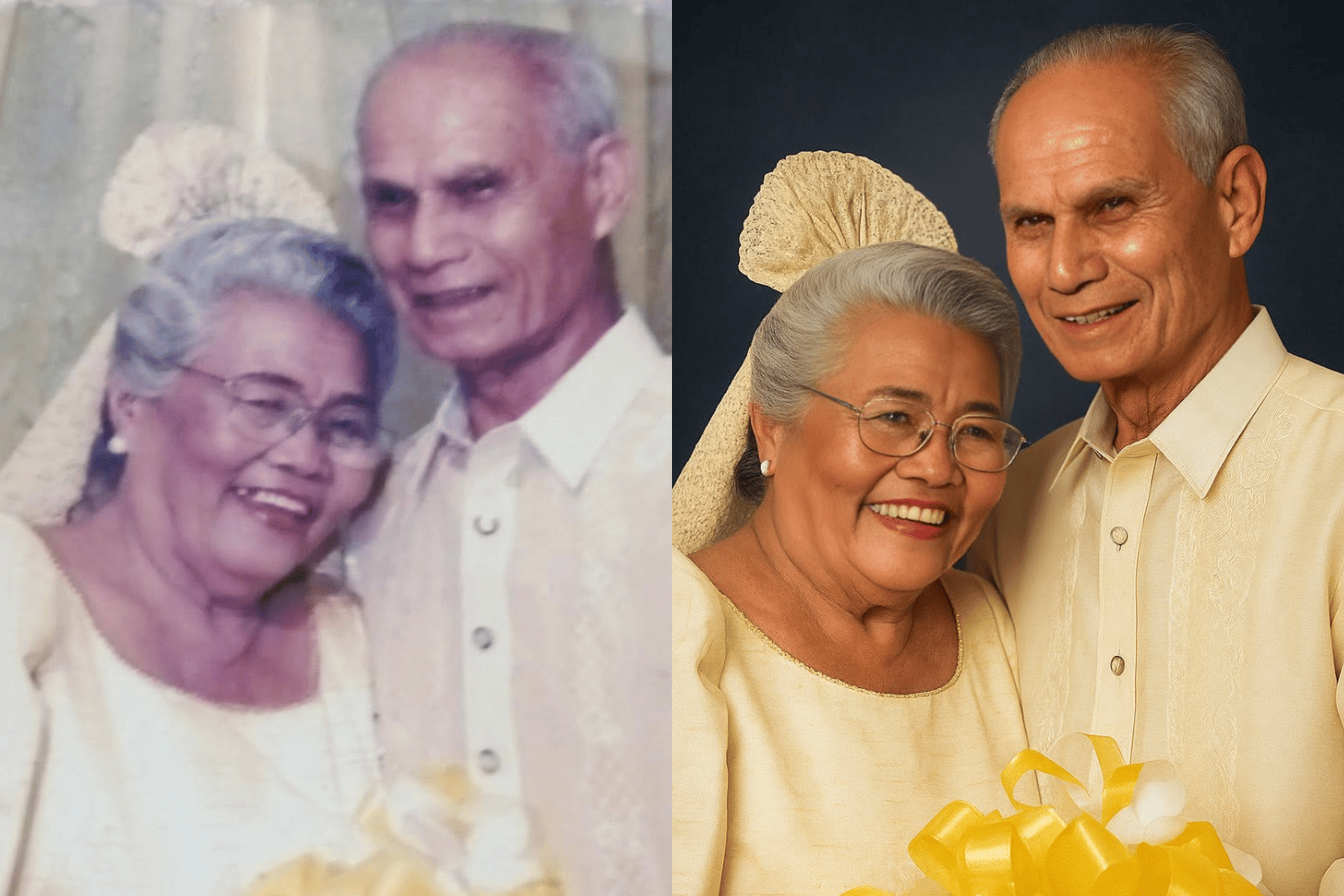
You find an old family photograph from the 1970s. It’s faded, blurry and barely detailed. You scan it and run it through an AI photo-enhancement app.
Suddenly, Lolo’s face is sharp. Lola’s eyes are clearer. You can seemingly see individual strands of hair.
But be careful: generative restoration can create plausible details that were never captured by the original camera.
The AI may be reconstructing missing information based on patterns it learned from other faces. The result can look remarkably real without necessarily being historically accurate.
When AI writes your reply to the boss

Your boss sends a message asking for an update.
Before you compose anything, an AI-powered email or messaging feature offers a polished response. Newer writing assistants can go even further, generating entire replies based on the conversation.
Tap. Send. Done.
This is language generation: an AI model uses the context you provide to produce new text.
And yes, that means the corporate reply you sent in three seconds may have been written partly—or entirely—by generative AI.
When you expand a photo beyond what the camera saw
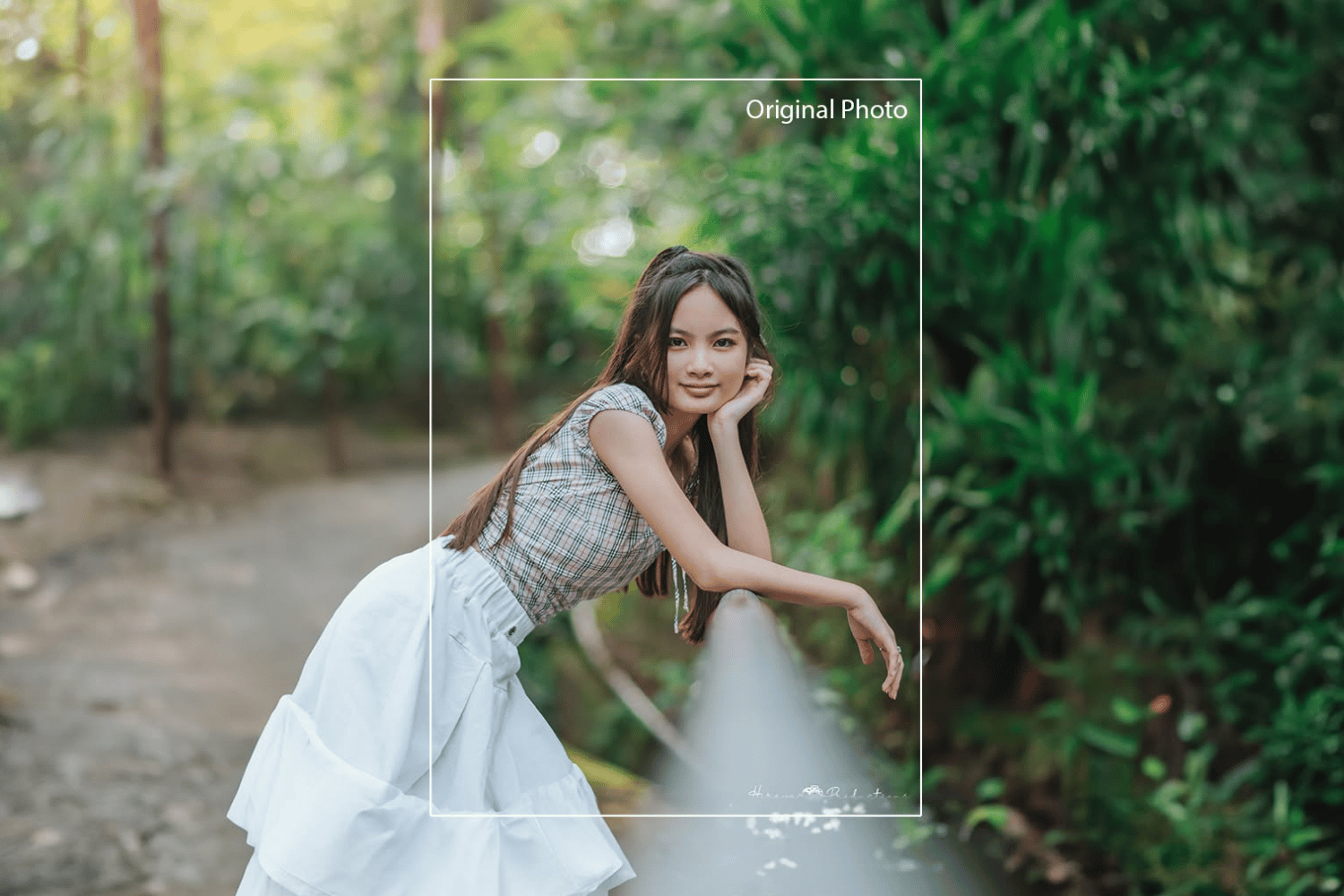
You have the perfect vertical photo or video, but you need a wider frame.
Instead of cropping it, an AI editing tool lets you “expand” the image beyond its original borders. Suddenly there’s more beach, more sky, more wall or more street than your camera ever captured.
This is known as generative outpainting.
The model examines the existing image and generates a plausible continuation beyond its boundaries.
In other words, the scenery outside the original frame isn’t something your camera secretly captured.
AI invented it.
When you joined the viral AI photo trend

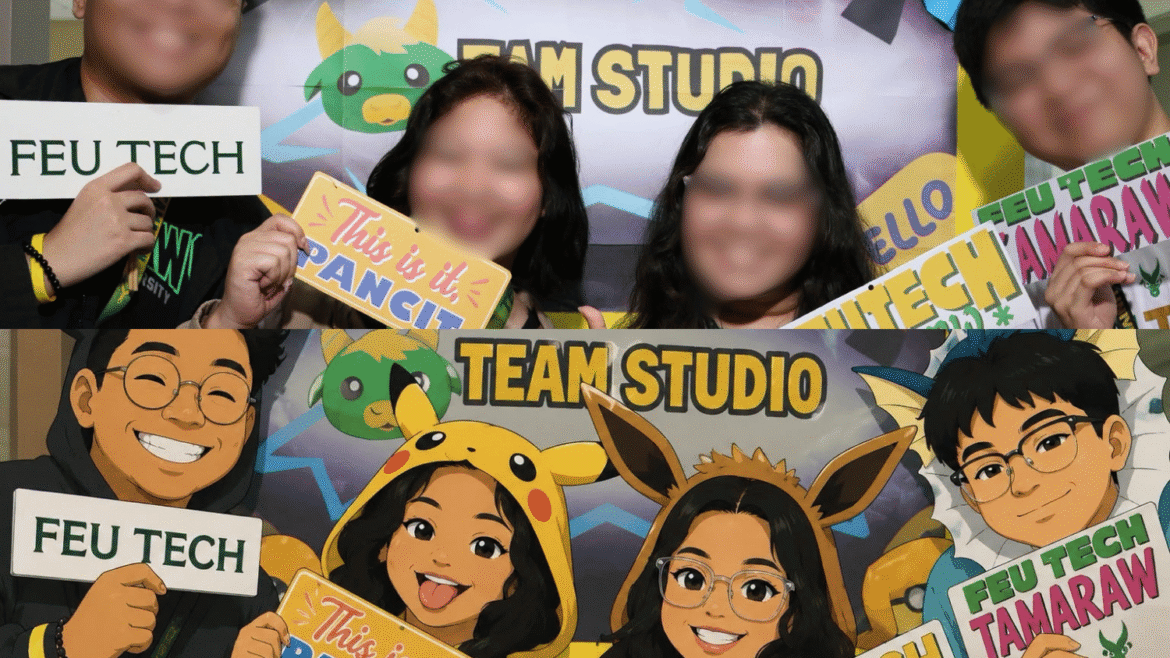
Remember feeds flooded with AI yearbook photos, fantasy portraits and people suddenly appearing in elaborate outfits or cinematic settings they never actually wore or visited?
Upload a few selfies and generative AI can produce entirely new portraits based on your appearance.
Many such systems use diffusion-based generative models to synthesize new images from learned visual patterns and the information supplied by the user.
You didn’t pose for that photograph because, technically, there was never a photograph.