From historical violence to urban displacement, these PH entries confront deep-seated societal issues internationally.
Philippine cinema is bringing stories about class inequality, colonialism, displacement, and historical violence to one of Asia’s major film festivals, with four Filipino films screening at the 31st Busan International Film Festival (BIFF) in South Korea.
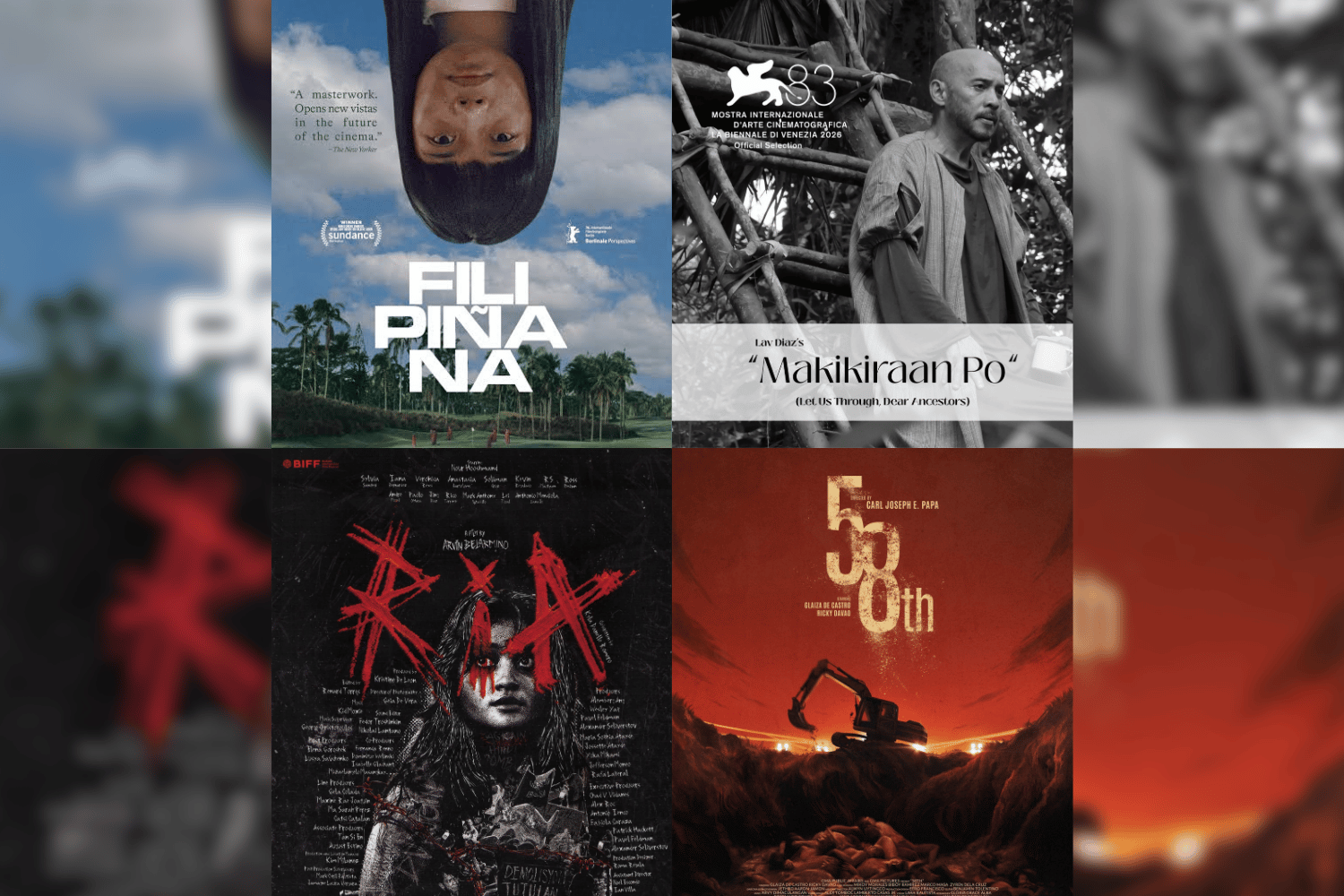
Rafael Manuel’s “Filipiñana,” Lav Diaz’s “Let Us Through, Dear Ancestors (Makikiraan Po),” Carl Joseph Papa’s “58th,” and Arvin Belarmino’s “Ria” come from different filmmakers and genres, but all confront difficult realities tied to Philippine society.
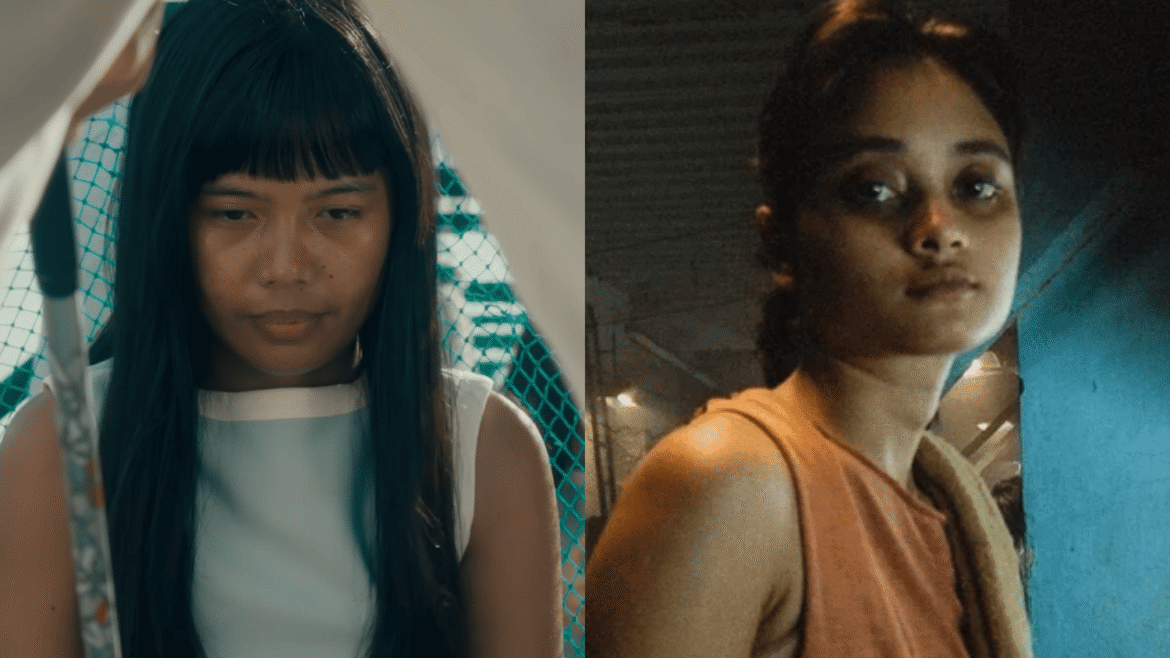
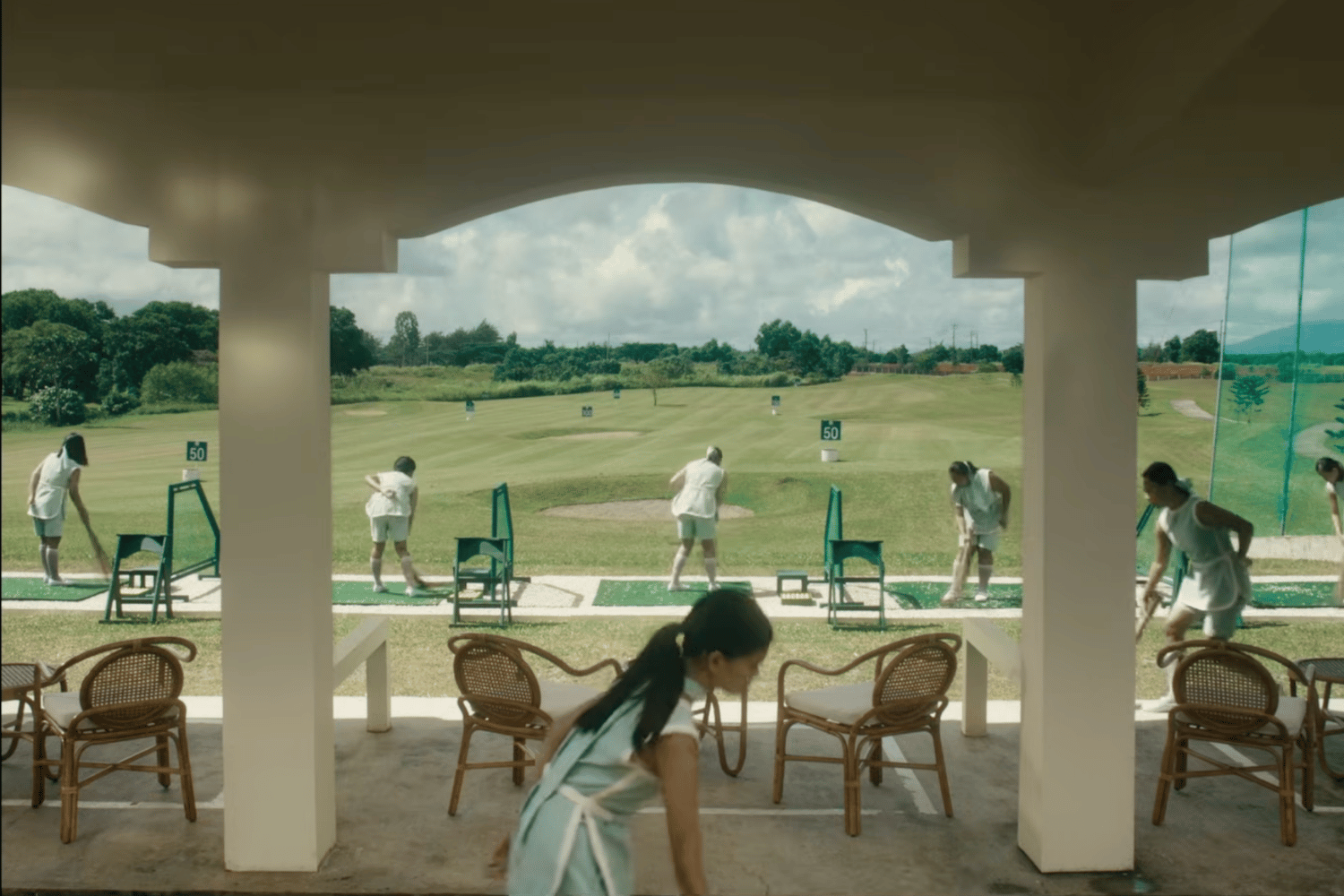
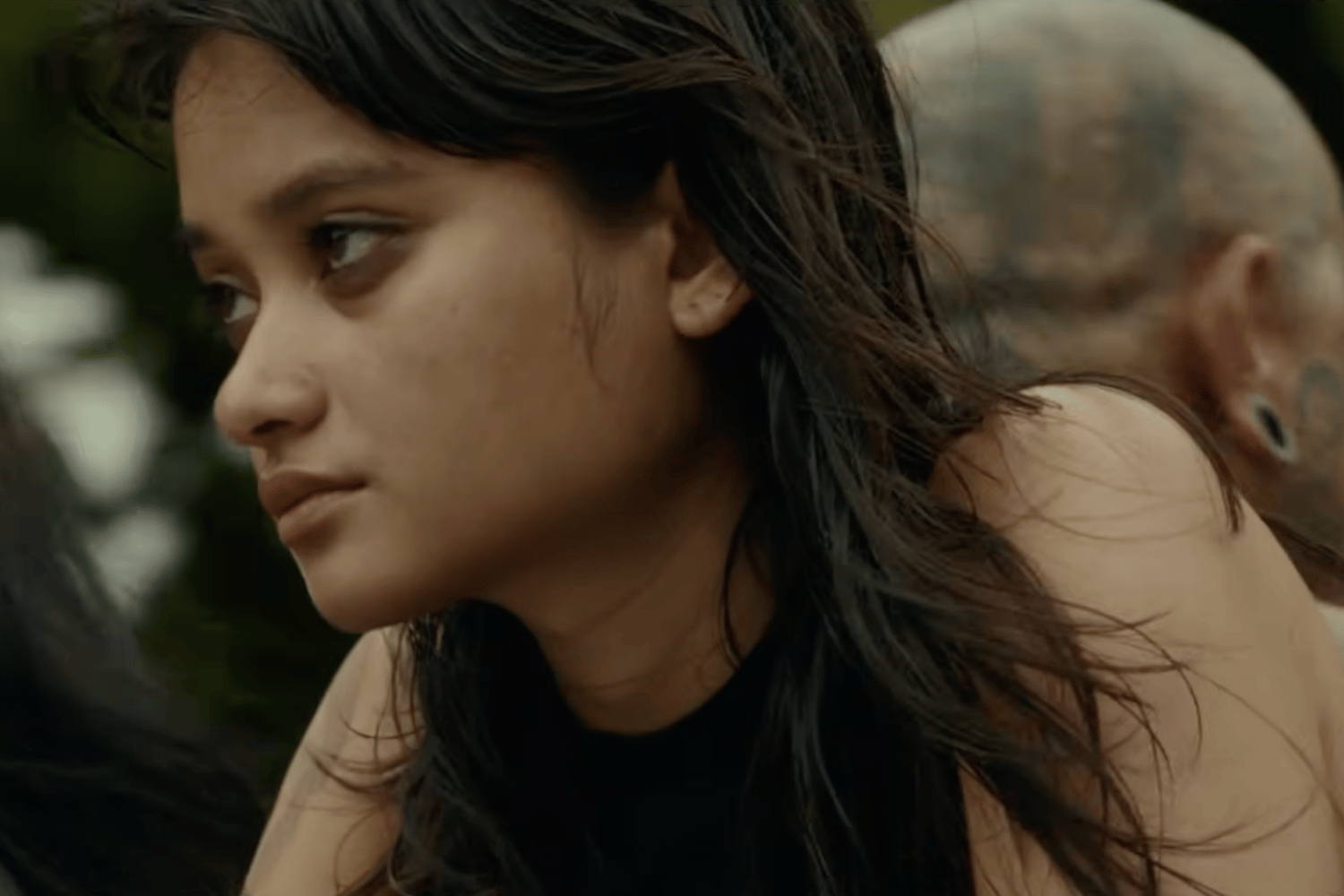
“Filipiñana” follows a 17-year-old tee girl working at an exclusive country club. Through her experience, the film examines class divisions, colonialism, and inequality in Philippine society.
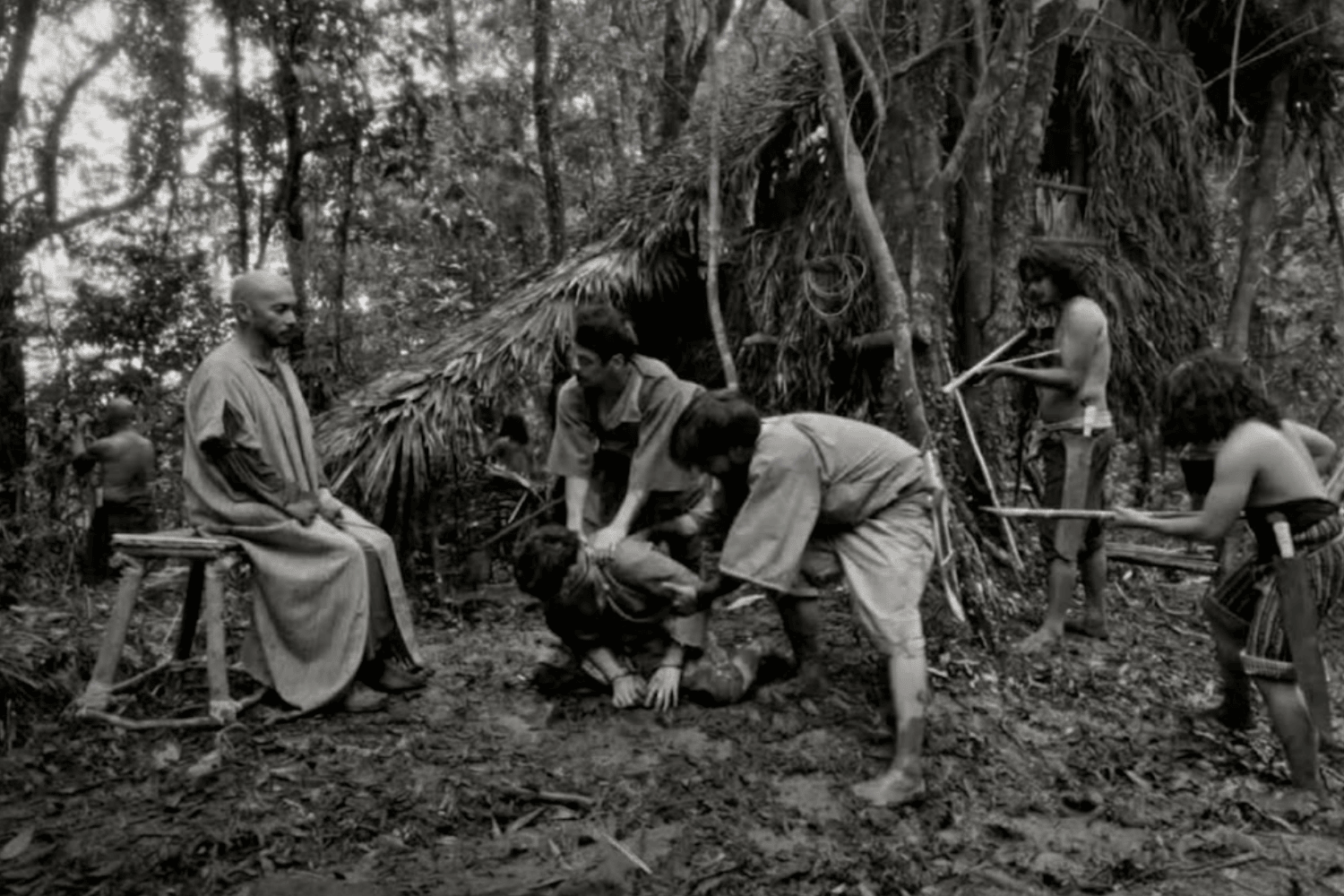
“Let Us Through, Dear Ancestors,” meanwhile, looks further back into the country’s history. Set during Spanish colonial rule in 1617, the film follows Indigenous people forced to transport marble for a church, confronting the violence and exploitation behind colonial structures. BIFF describes the film as an attempt to reconstruct an archive of erased history.
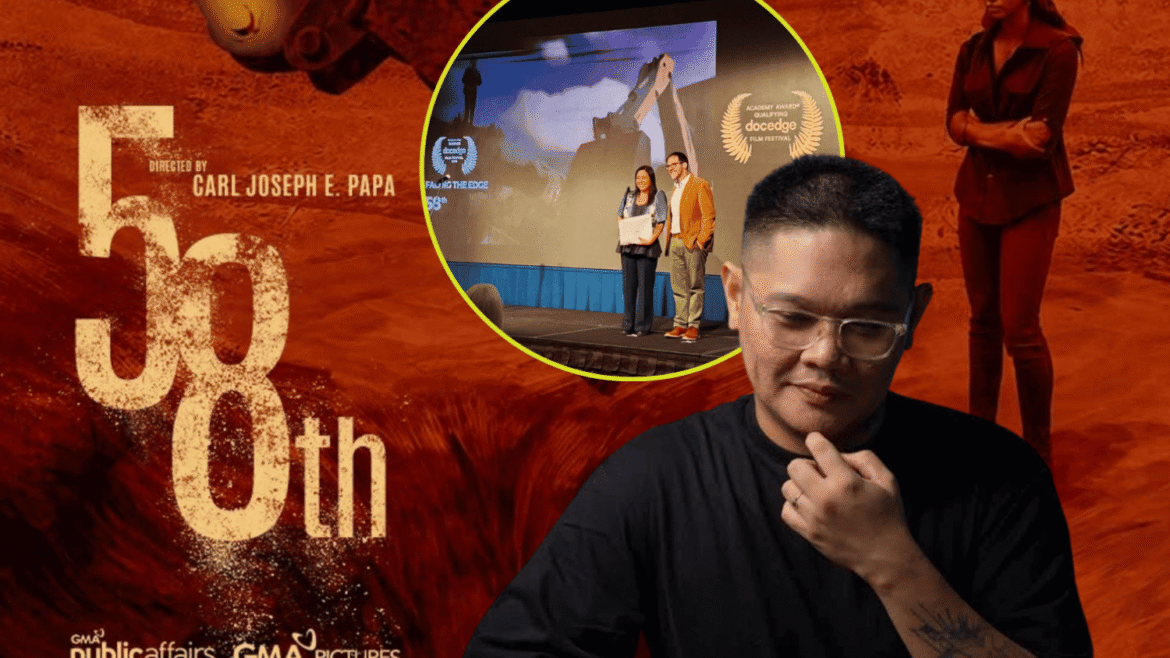
“58th” takes on a more recent and painful chapter in Philippine history. The animated documentary centers on photojournalist Reynaldo “Bebot” Momay, who was killed in the 2009 Maguindanao massacre but was not officially counted among the victims because his body was never recovered.

“Ria,” which makes its world premiere at BIFF, turns to urban displacement and poverty. The film follows a folk-punk musician living in a community facing eviction, where residents contend with demolition, poverty, and the loss of basic services.
Taken together, the four films tackle some of the Philippines’ most persistent social issues, including class inequality, colonial exploitation, historical erasure, political violence, poverty, and displacement.
The 31st Busan International Film Festival runs from October 6 to 15, 2026.
Established more than three decades ago, BIFF has grown into a major platform for Asian cinema and international filmmakers. This year’s edition marks another milestone for the festival, which was officially recognized by the International Federation of Film Producers Associations (FIAPF) as an A-list festival, putting it alongside major festivals such as Cannes, Berlin, and Venice.
BIFF’s growing international stature also comes with a significant distinction: its Busan Award winner is now eligible for submission to the Academy Awards’ International Feature Film category. BIFF is one of only six festivals with that recognition, alongside Cannes, Berlin, Venice, Sundance, and Toronto.
For Philippine cinema, the four selections put distinctly Filipino stories and the social realities behind them before an international film audience. With BIFF running until October 15, the films have an opportunity to bring these stories beyond the Philippines.