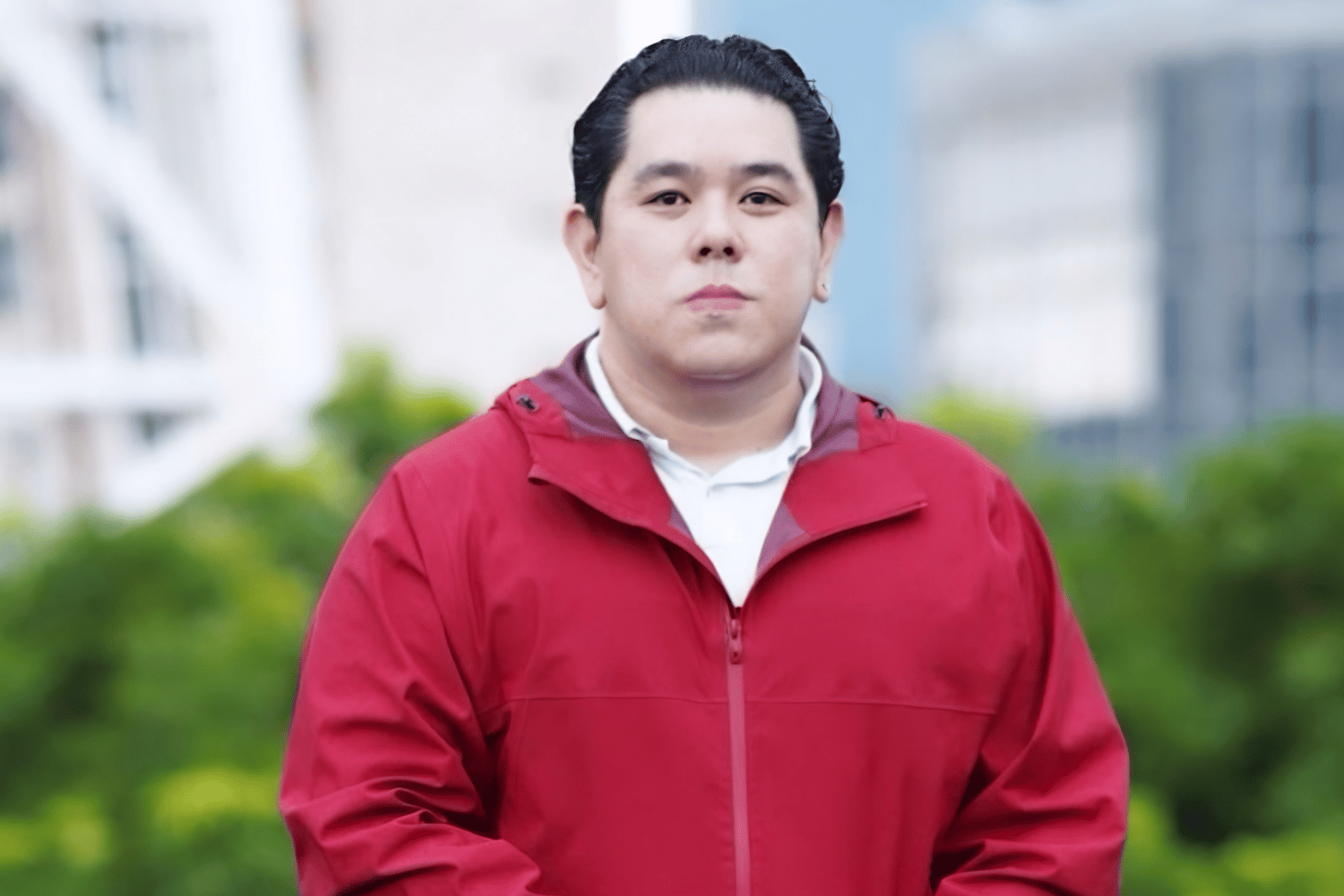
“Dito ‘yong naalala namin kung saan nag-viral kayo ni Sofia,” Canoy was told during radar Entertainment’s exclusive interview at the ABS-CBN newsroom.
“Super bait ni Sofia,” he recalled, explaining that they had already been chatting before the broadcast. When he gestured for Andres to introduce herself, she instead read his name. Canoy responded by introducing himself as Sofia Andres, turning the mix-up into a viral moment.
Beyond the lighthearted encounter, Canoy has spent 20 years covering disasters, experience that now shapes his public safety advice and leadership as ABS-CBN’s chief of reporters.
Prepare before disaster strikes
With heavy rains and storms threatening communities, Canoy urged Filipinos to prepare early and follow reliable information.
“Kapag sinabi ng lokal na pamahalaan na kailangan mag-evacuate, evacuate na po. Huwag na po hintayin ‘yong last minute kasi delikado po ‘yon,” he said, stressing that delays also put rescuers at risk.
He advised preparing a go bag with water, food and important documents protected in plastic envelopes or cases. Phones should be charged ahead of time, too.
“Information ang pinaka-shield natin from any danger,” he said.
His practical tips include keeping phones in ziplock bags to protect them from water and bringing biscuits on long assignments. He also cautioned journalists against getting too close to dangerous scenes for dramatic footage.
“Okay lang kunan, pero at the end, hindi ka dapat mag-set up ng base doon. Magtanong sa mga locals. Mas alam nila kung ano ‘yong nangyayari doon kaysa sa iyo,” he said.
The human cost of disaster reporting
Canoy acknowledged that covering repeated tragedies takes a toll on journalists’ mental health. His longest deployment lasted 64 days, following an earthquake in Bohol and Super Typhoon Yolanda in 2013.
After spending weeks in Cebu and Bohol, he was told to stay when another storm approached. With contact lost with people in Tacloban, he found a way to get there to check on colleagues and report on the devastation.
“Pagbalik ko ng Manila, putol na ‘yong kuryente ko sa tagal kong nawala,” he recalled.
He said newsroom stress debriefing and counseling became more established after Yolanda.
What troubles him most is revisiting places he covered years earlier only to find little has changed.
“Mas nakakabother if kinover mo na 20 years ago tapos ‘yong sitwasyon same pa rin. Parang walang nangyari,” he said.
Guiding 35 reporters
Now in his fourth year as ABS-CBN’s chief of reporters, Canoy oversees 35 journalists, handling deployment, assignments and editorial concerns.
“Parang meron na akong sign sa office, parang fixer of everything,” he said, describing how he shifts between being a guidance counselor, stylist, trainer and disciplinarian.
His decisions draw on forecasts and two decades of field experience. Before a storm, he considers where reporters should be positioned, particularly in places such as Mindoro, where sea crossings can become difficult in bad weather.
He also reminds reporters not to underestimate distances based on local directions.
“Kapag sa probinsya, pag sinabi ng mga tao, malapit lang ‘yon. Hindi siya malapit lang. Huwag kang maniwala. Malayo talaga siya,” he said, laughing.
READ: