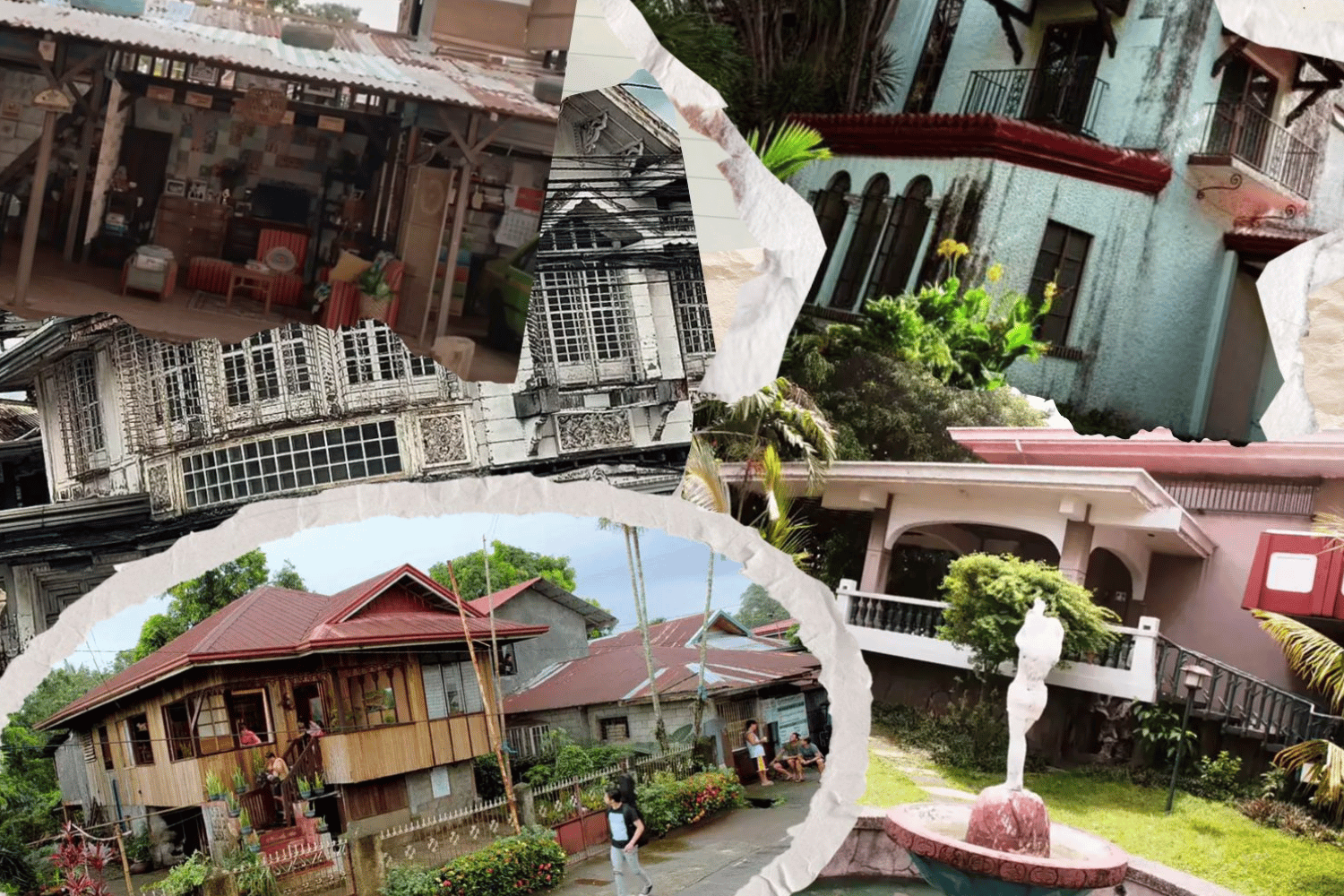
From the homes of “Four Sisters and a Wedding” and “The Hows of Us” to Lola Nidora’s mansion, these houses live rent free in our memories.
Some places exist only for the length of a movie, but somehow, they stay with us long after the credits roll. We remember the staircase where someone cried, the dining table where a family finally said what they had been keeping for years, or the living room where two people finally met—or failed to.
In Filipino cinema and television, houses have often been more than mere backdrops; they became silent witnesses to romances, family fights, childhood memories, and even the scares that kept us awake at night. Sometimes, we may not even remember the exact address, but we remember how the house felt.
Years later, a familiar window, gate, sofa, or staircase can bring an entire movie rushing back. Here are seven “bahay na bida” that became characters in their own right—and found a permanent little room in our memories.
1. Bahay ni Caridad Sonia, “I’m Drunk, I Love You” (2017)
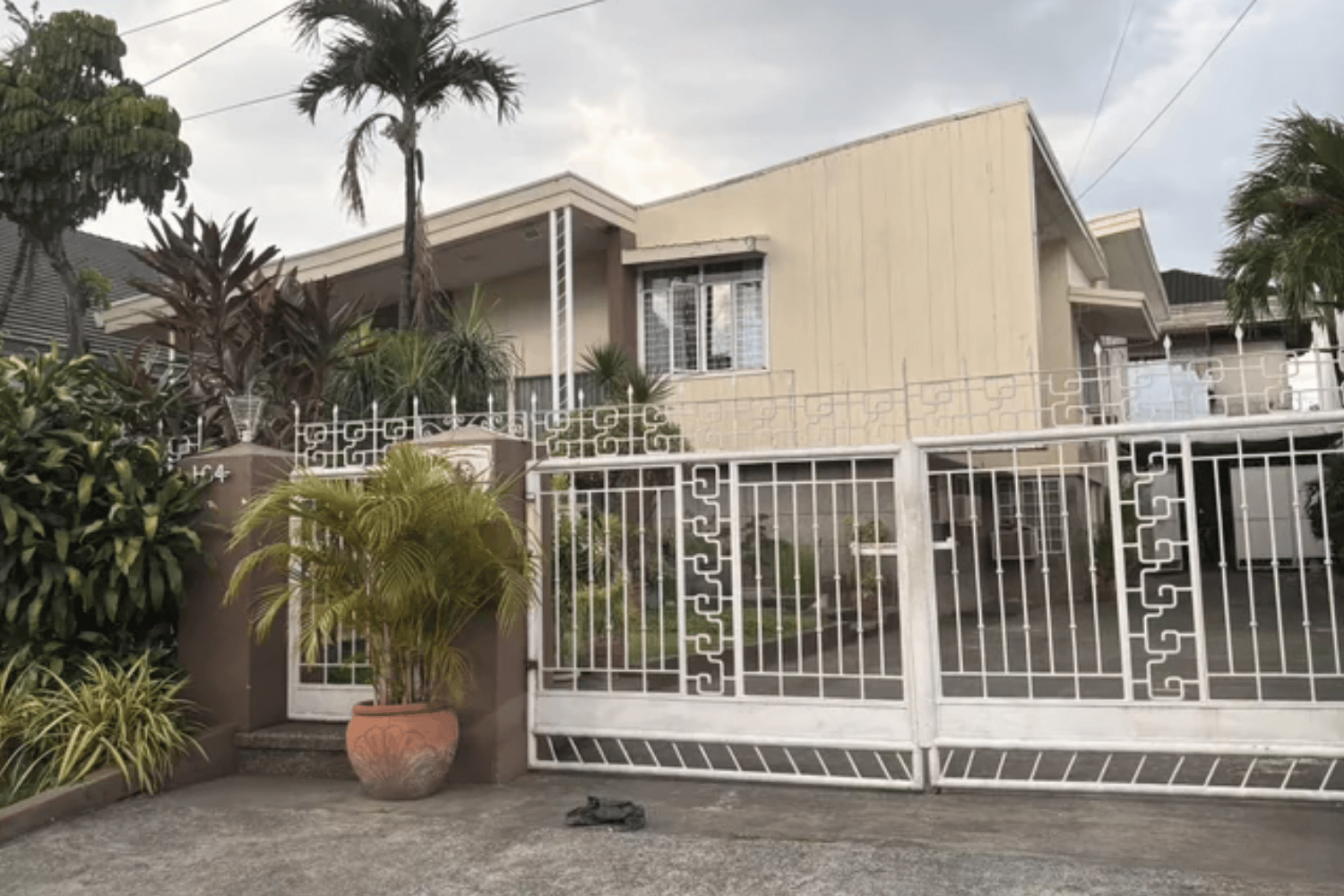
Caridad Sonia “Carson” Herrera’s home in JP Habac’s 2017 film “I’m Drunk, I Love You” feels like the kind of place that immediately makes you think of the years you were young, broke, confused, and convinced that everything would eventually make sense. Played by Maja Salvador, Carson spends much of the story carrying feelings for her best friend Dio (Paulo Avelino), making every familiar corner of her world feel heavier with everything she refuses to say. The film itself follows Carson and Dio as graduating college best friends on one final road trip, but its emotional weight comes from all the years of friendship they bring with them. There is something painfully familiar about the house because it does not feel like a grand cinematic home—it feels lived in, personal, and slightly messy, much like the lives of the people inside it. It becomes part of that particular kind of Filipino coming-of-age nostalgia, date nights, friends who feel like family, and the quiet realization that graduation means some things will never be the same again. Carson’s house is memorable not because it is extraordinary, but because it feels like somewhere we have all been, or somewhere we wish we could return to.
2. Bahay ni Tita Lola, “The Hows of Us” (2018)
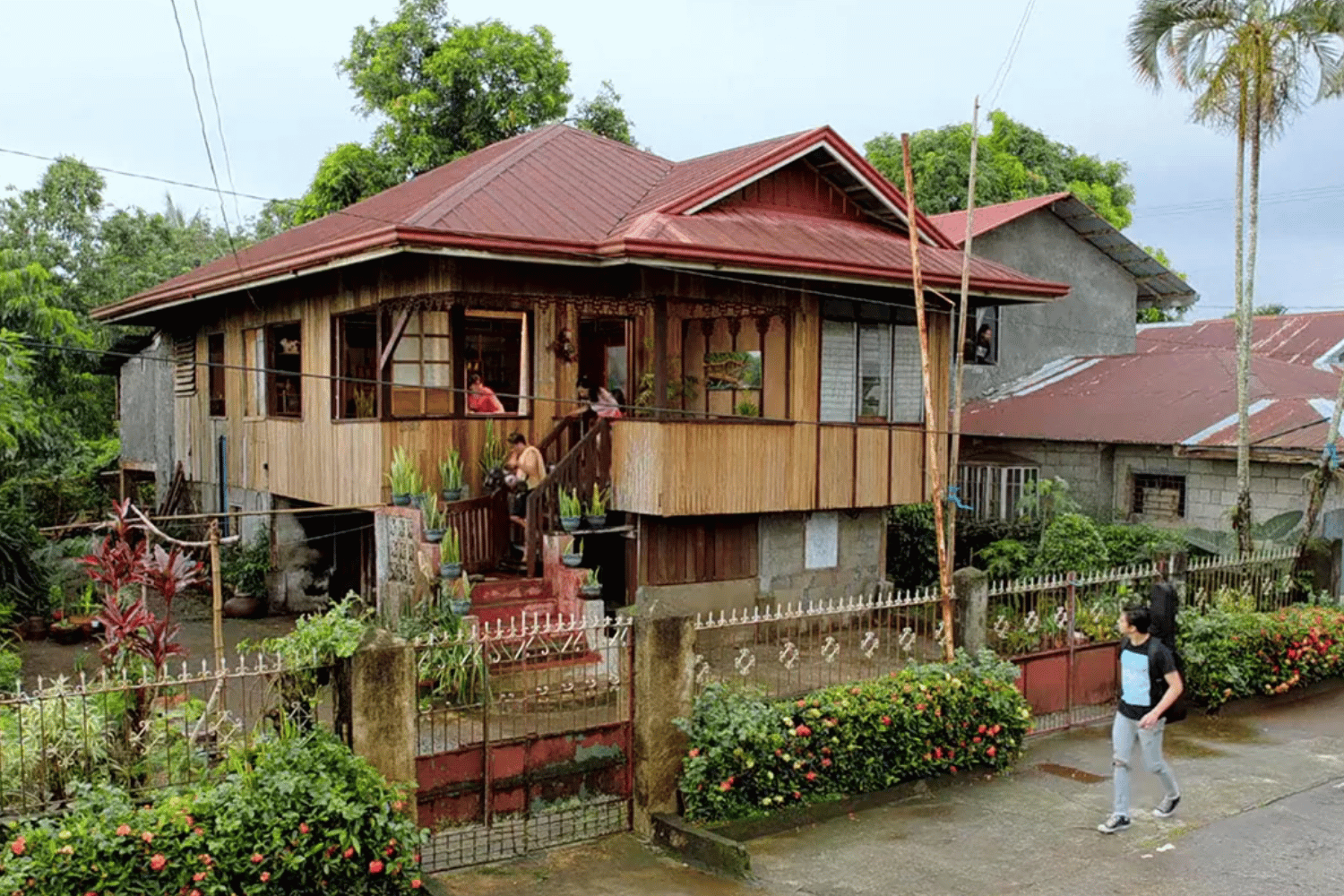
Before it became the house where everything between Primo and George fell apart, Tita Lola’s home was supposed to be the place where their future began. In Cathy Garcia-Molina’s 2018 romantic drama “The Hows of Us,” Kathryn Bernardo’s George and Daniel Padilla’s Primo inherit the house from George’s Tita Lola, played by Susan Africa, and turn it into their first home together. At first, the house is filled with the optimism of two young people decorating their first space, imagining careers, marriage, and a life they believe will last. Then the bills pile up, dreams begin to clash, and the same rooms that once held their laughter become witnesses to their most painful arguments. Tita Lola’s dying wish to Primo, to take care of George and the house, eventually becomes one of the film’s most haunting reminders of everything the couple failed to preserve. For many viewers, that house became more than George and Primo’s home; it became a symbol of the uncomfortable truth that sometimes, the place where a relationship begins is also where you finally realize it has ended.
3. Bahay ni Mama, “Four Sisters and a Wedding” (2013)
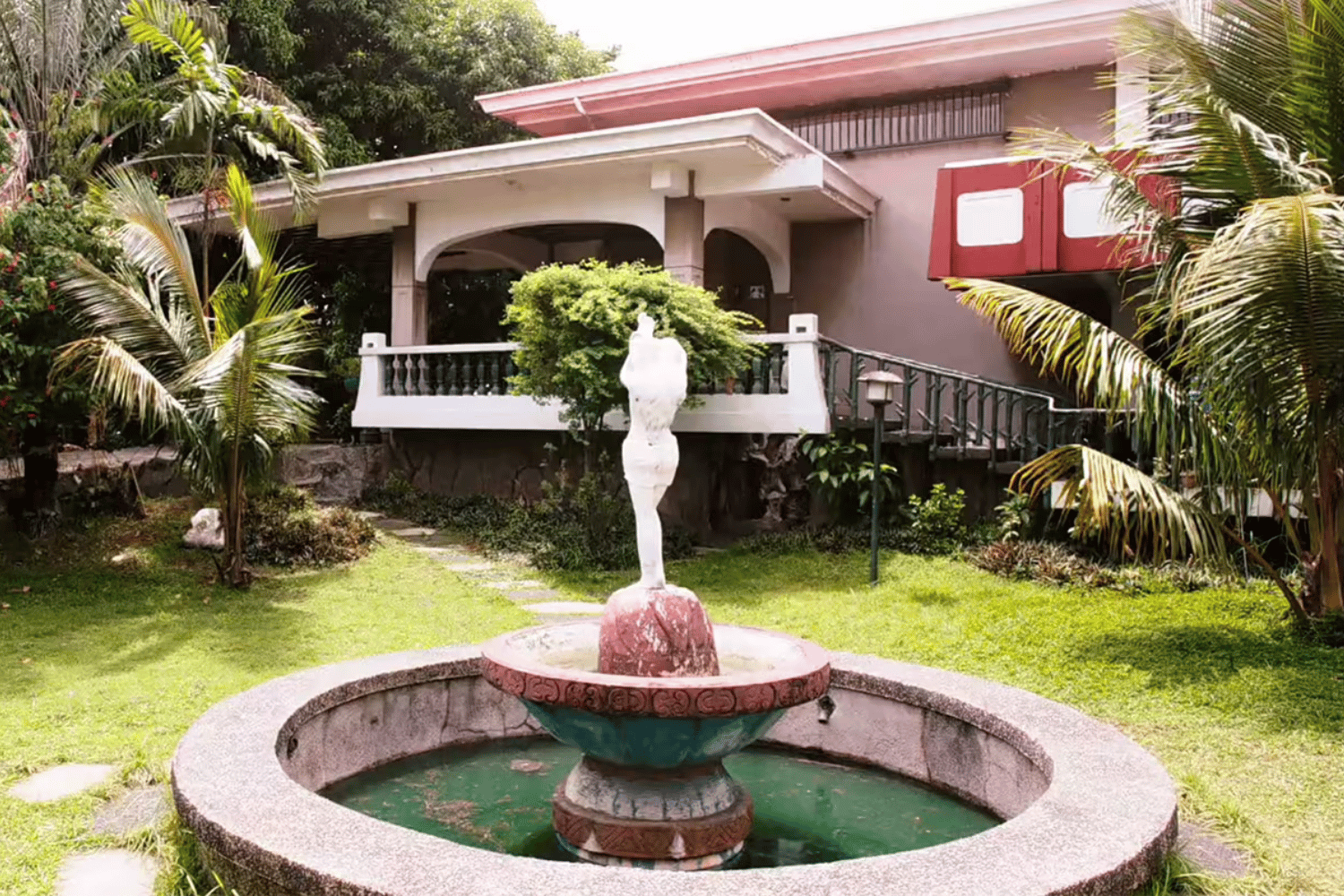
There are Filipino movie houses that feel less like sets and more like the family home you grew up visiting every Christmas. That is exactly what makes the Salazar family home in Cathy Garcia-Molina’s 2013 “Four Sisters and a Wedding” so unforgettable. It is where Teddie (Toni Gonzaga), Bobbie (Bea Alonzo), Alex (Angel Locsin), Gabbie (Shaina Magdayao), and CJ (Enchong Dee) return with years of resentment, childhood memories, and unfinished family business. Their mother, Grace Salazar (Coney Reyes), remains at the heart of the household as the siblings repeatedly collide under one roof. The dining room, bedrooms, hallways, and living spaces become familiar precisely because they resemble the places where Filipino families themselves have argued, reconciled, eaten together, and pretended everything was okay. It is a house that seems to remember every version of the siblings—from the children they used to be to the adults they desperately tried to become. And perhaps that is why seeing it again feels like coming home to a family that was never really ours, but somehow understood ours.
4. Bahay ni Tiyanak, “Tiyanak” (1988)
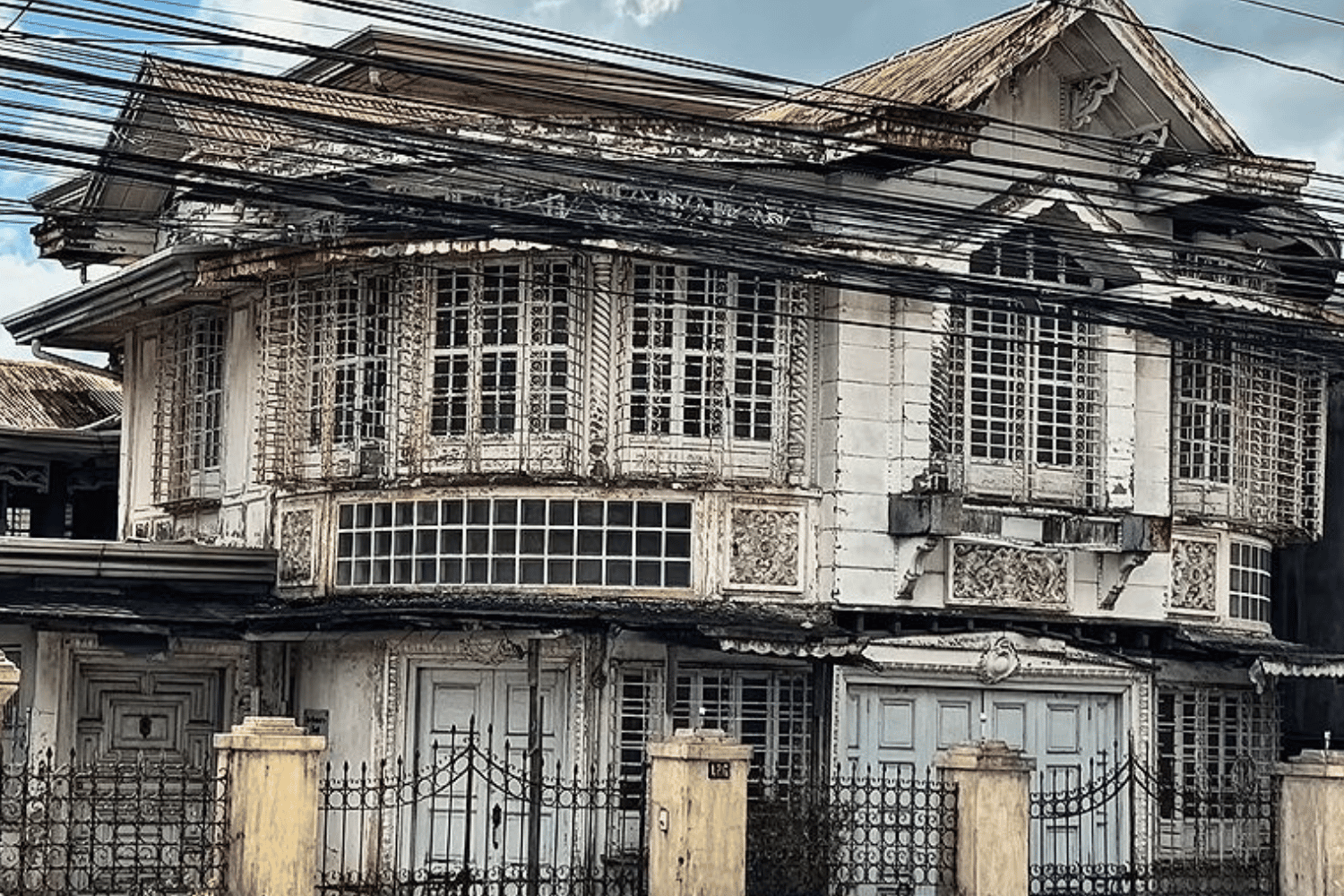
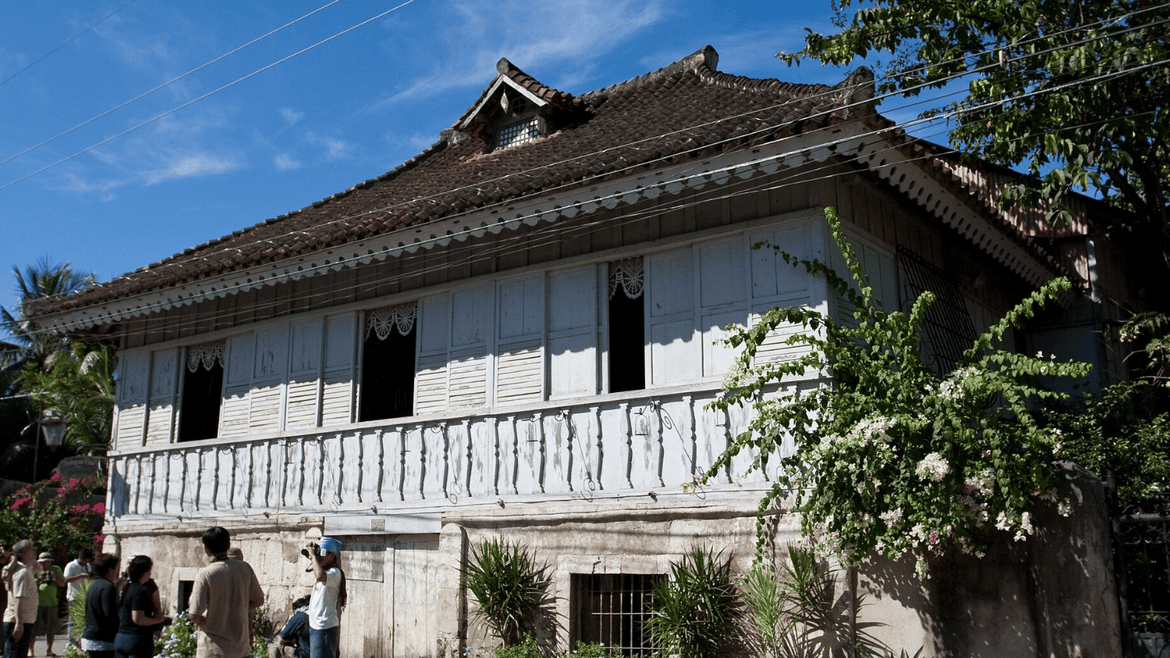
Some houses become memorable because they make us feel warm; this one became unforgettable because it made an entire generation afraid of the dark. The ancestral house featured in Peque Gallaga and Lore Reyes’ 1988 horror classic “Tiyanak” was a real heritage home in San Pablo, Laguna, built in 1924 by Don Pio Conducto. The film starred Janice de Belen as Julie, with Lotlot de Leon, Ramon Christopher, Mary Walter, Chuckie Dreyfus, and a young Carmina Villarroel among its cast. Its old staircase, dining area, grandfather clock, and antique interiors became inseparable from the film’s eerie atmosphere, and decades later, those same details remain recognizable. There is something uniquely terrifying about seeing an actual Filipino ancestral house transformed into a place of horror because it looks like the old house we were told never to enter as children. The house did not need ghosts in every corner; its age, silence, wooden stairs, and shadows already carried enough history to make us suspicious of every creaking sound.
5. Bahay nila Lola, “Kalyeserye” (2015)
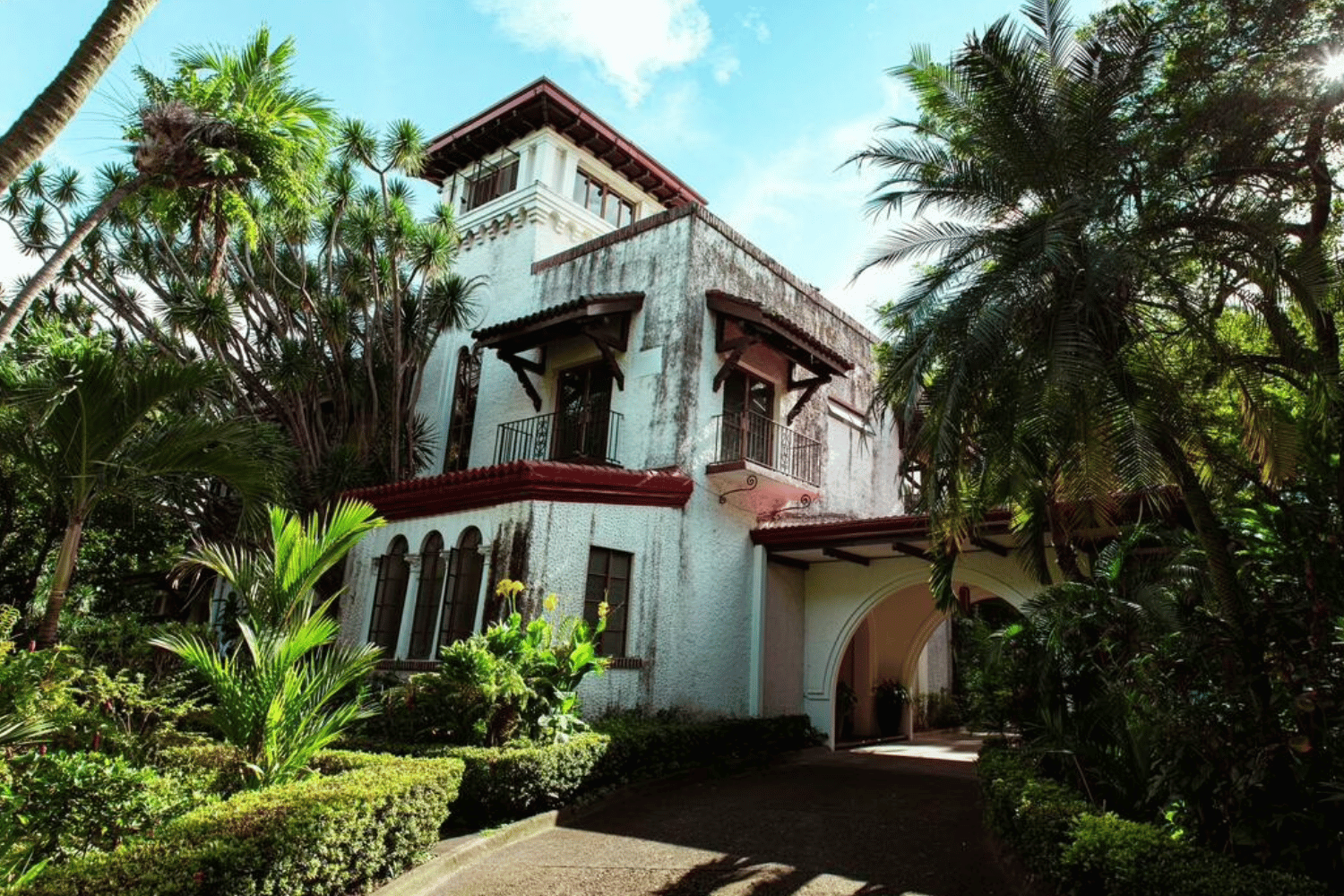
Before “home date” became one of the most anticipated phrases on Philippine television, there was Lola Nidora’s mansion, the home at the center of the “Kalyeserye” phenomenon. The mansion housed Lola Nidora, Lola Tidora, and Lola Tinidora, with Maine Mendoza’s Yaya Dub serving as the household’s famously expressive nanny. “Kalyeserye” officially began in July 2015, eventually creating the AlDub phenomenon between Yaya Dub and Alden Richards. The mansion became especially memorable when Alden finally visited Yaya Dub there, with their much-awaited “home date” taking place inside the sprawling house. And unlike most fictional TV homes, this one was an actual heritage mansion on Broadway Avenue in New Manila, Quezon City, designed by National Artist Pablo S. Antonio in 1935. For anyone who lived through the AlDub craze, seeing that house can instantly transport you back to a time when an entire country seemed to pause for “kilig,” split screens, flowers, and a single look between two people.
6. Bahay ni Tatay Lolo, “Seven Sundays” (2017)
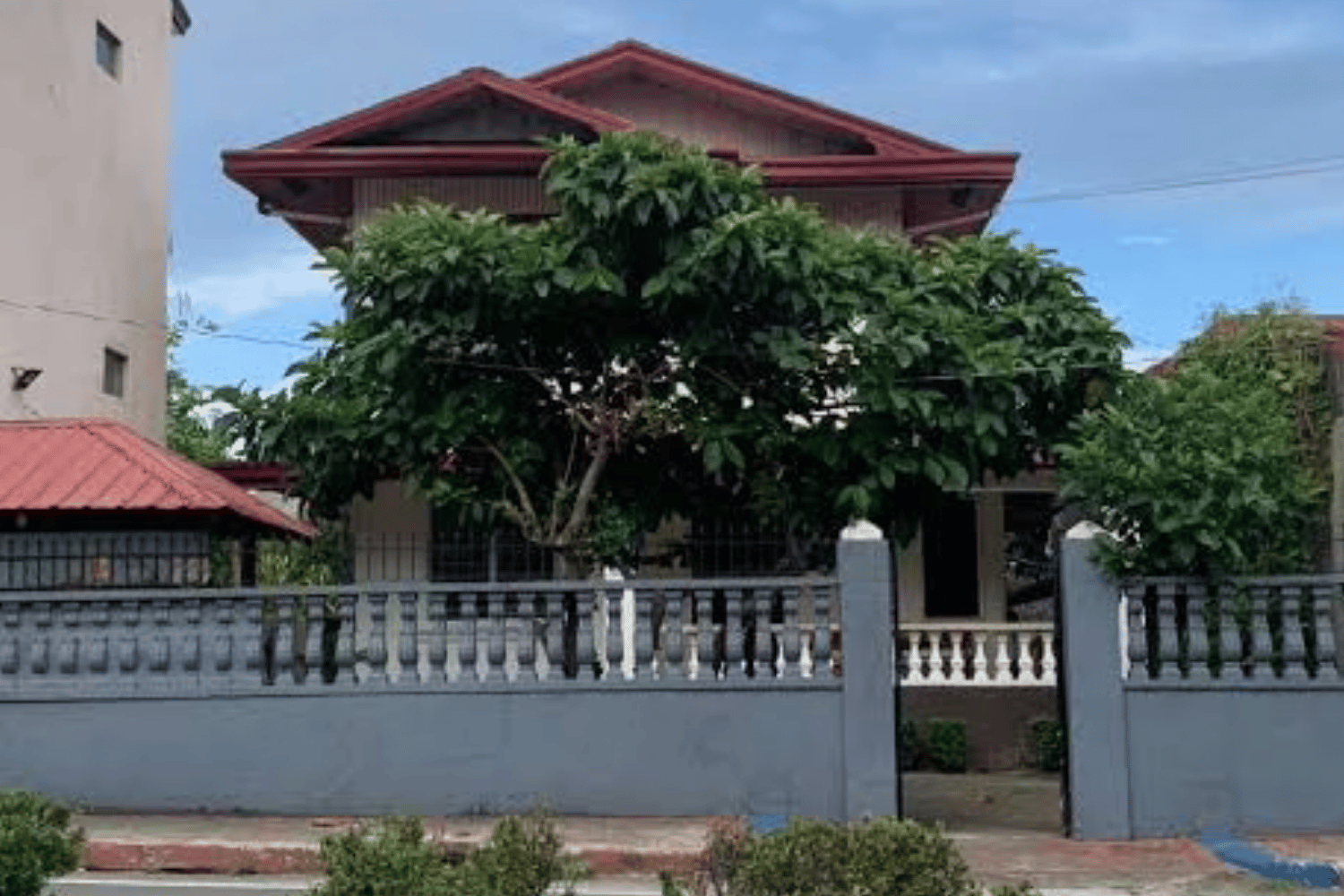
If there is one Filipino movie house that understands the complicated meaning of coming home, it is the Bonifacio family home in Cathy Garcia-Molina’s 2017 family comedy-drama “seven sundays.” The house belongs to Manuel Bonifacio (Ronaldo Valdez) and becomes the gathering place for his four children—Allan (Aga Muhlach), Bryan (Dingdong Dantes), Cha (Cristine Reyes), and Dexter (Enrique Gil)—after they learn about their father’s illness. What makes the house memorable is how ordinary it feels: a family home that has watched children grow up, leave, build lives elsewhere, and eventually return as adults carrying completely different versions of themselves. Every room seems to hold an old argument, an inside joke, or a memory that the siblings thought they had already outgrown. The house slowly becomes a reminder that no matter how successful, distant, or busy everyone becomes, there is always one place that can make you feel like someone’s child again. And perhaps that is the quiet magic of Seven Sundays, sometimes, home is not the place you never leave—it is the place you keep finding your way back to.
7. Bahay ni Da King, “Home Along Da Riles” (1992)
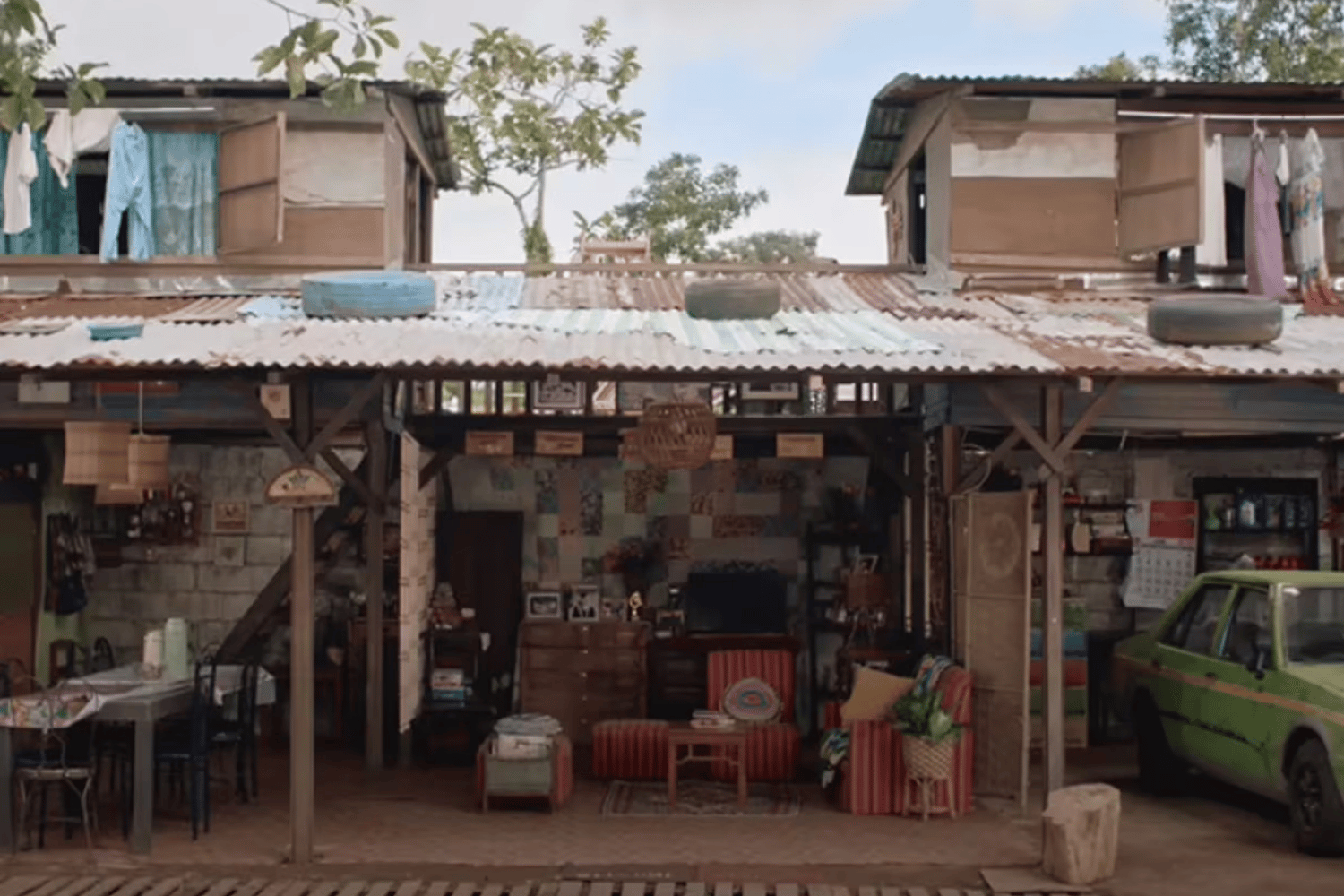
Few Filipino television houses are as instantly recognizable as the Cosme family home beside the railroad tracks in “Home Along Da Riles.” The sitcom, which began airing in 1992, centered on Mang Kevin Cosme (Dolphy) and his family, including Bill (Smokey Manaloto), Bob (Gio Alvarez), Bing (Claudine Barretto), Baldo (Vandolph Quizon), and his adopted son Estong (Boy2 Quizon), as they navigated the everyday chaos of a hardworking Filipino household. The house was not glamorous, and that was precisely its charm—it was small, noisy, lived-in, and constantly interrupted by the rumbling trains outside. For many ’90s kids, the sound of the train shaking the house became almost as familiar as the characters themselves. The home represented the kind of Filipino family that could turn limited space and difficult circumstances into a place full of jokes, arguments, meals, and love. Years after the original sitcom ended, the Cosme home remains etched into popular memory, a reminder that the most unforgettable houses are not mansions at all, but the ones that look a little bit like ours.