Transparency should work both ways.
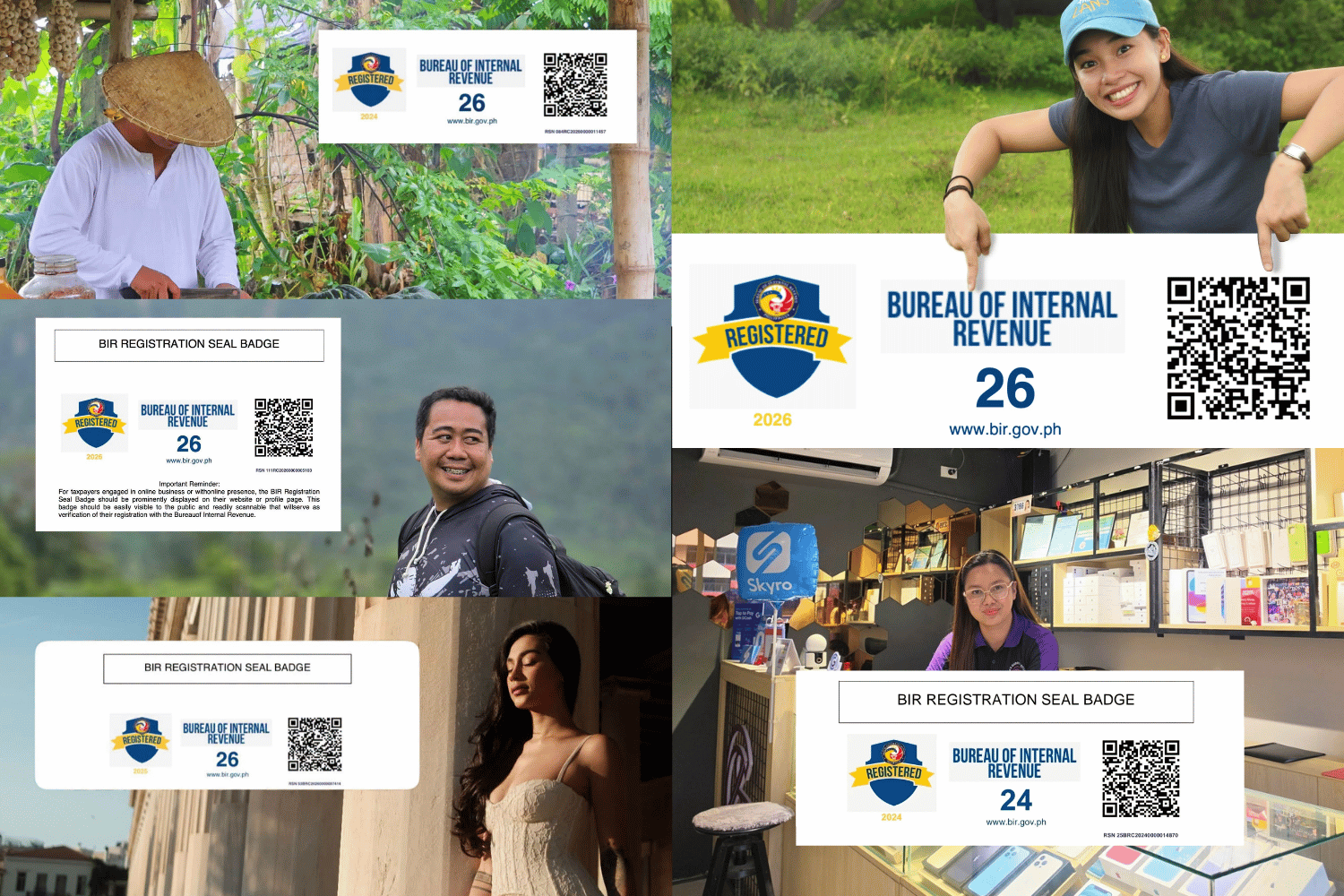
If content creators and online sellers must make their BIR registration easy to verify, government officials should make every peso of public money just as easy to track. Filipinos should not have to jump through hoops to find out how their elected officials spend their taxes.
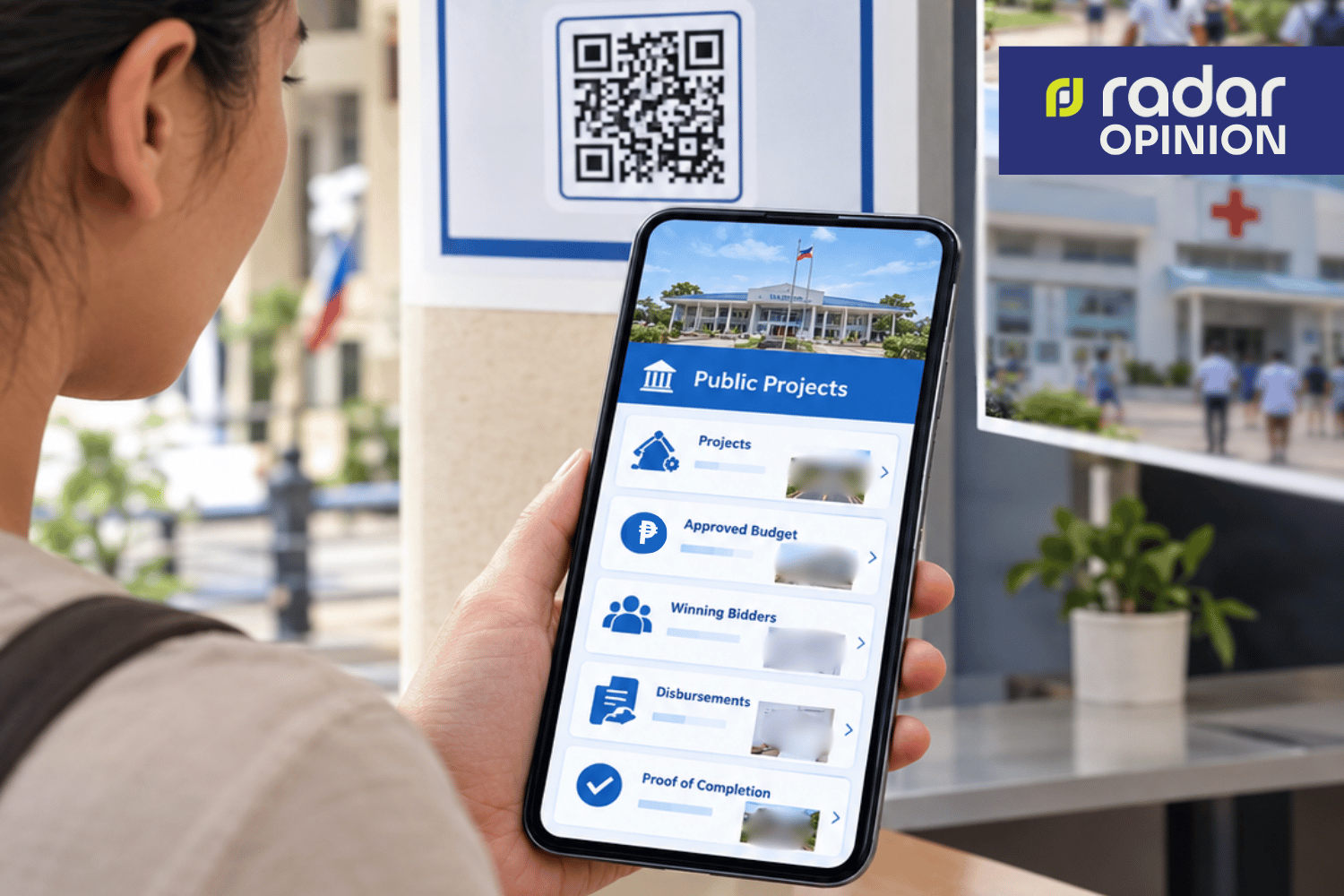
Imagine scanning a QR code on your mayor’s page and immediately seeing the projects funded by taxpayers’ money, their approved budgets, winning bidders, disbursements, and proof of completion. The same system could apply to officials from the barangay level to the presidency, making public spending easier to examine without navigating multiple government websites or chasing documents from different offices.
The idea has been circulating on social media, alongside calls for greater accountability from public servants. Some have suggested requiring elected officials to commute regularly and use public hospitals and schools so they experience the services ordinary Filipinos depend on. These ideas share a common demand: public officials should be more accessible, more transparent, and more accountable to the people they serve.
The comparison with the Bureau of Internal Revenue’s (BIR) Registration Seal Badge is particularly timely. Covered online businesses and digital earners must display the badge on applicable platforms so the public can verify their tax registration. The compliance deadline is October 31, 2026.
Government spending already has transparency initiatives of its own. The proposed Citizen Access and Disclosure of Expenditures for National Accountability (CADENA) Act seeks to improve public access to government budget transactions and procurement records. The Senate approved the measure in December 2025, but it remains pending in the House of Representatives.
Meanwhile, President Ferdinand Marcos Jr. institutionalized the Centralized Open Monitoring Platform for Appropriations and Spending Statistics (COMPASS) through Executive Order No. 126 in September 2026. The platform consolidates government budget, expenditure, procurement, and project performance information. National government agencies are directed to disclose and update covered records, while local government units are encouraged to participate.
These initiatives provide a foundation, but making information available is only part of the job. Records must be accurate, regularly updated, and backed by documents that citizens can verify. A project marked as completed must match what was actually delivered. Discrepancies should prompt scrutiny, not disappear into a database that few people know how to use.
Public officials may have legitimate reasons to withhold certain sensitive information, but transparency should be the default when public funds are involved. Citizens should not need special connections, persistence, or investigative skills to find out where their money goes.
Businesses are expected to comply with government requirements and make their registration status verifiable. Public officials, in turn, should make it easier for taxpayers to scrutinize the money entrusted to them. Accountability should be as accessible as scanning a QR code.
That’s the point.
READ: