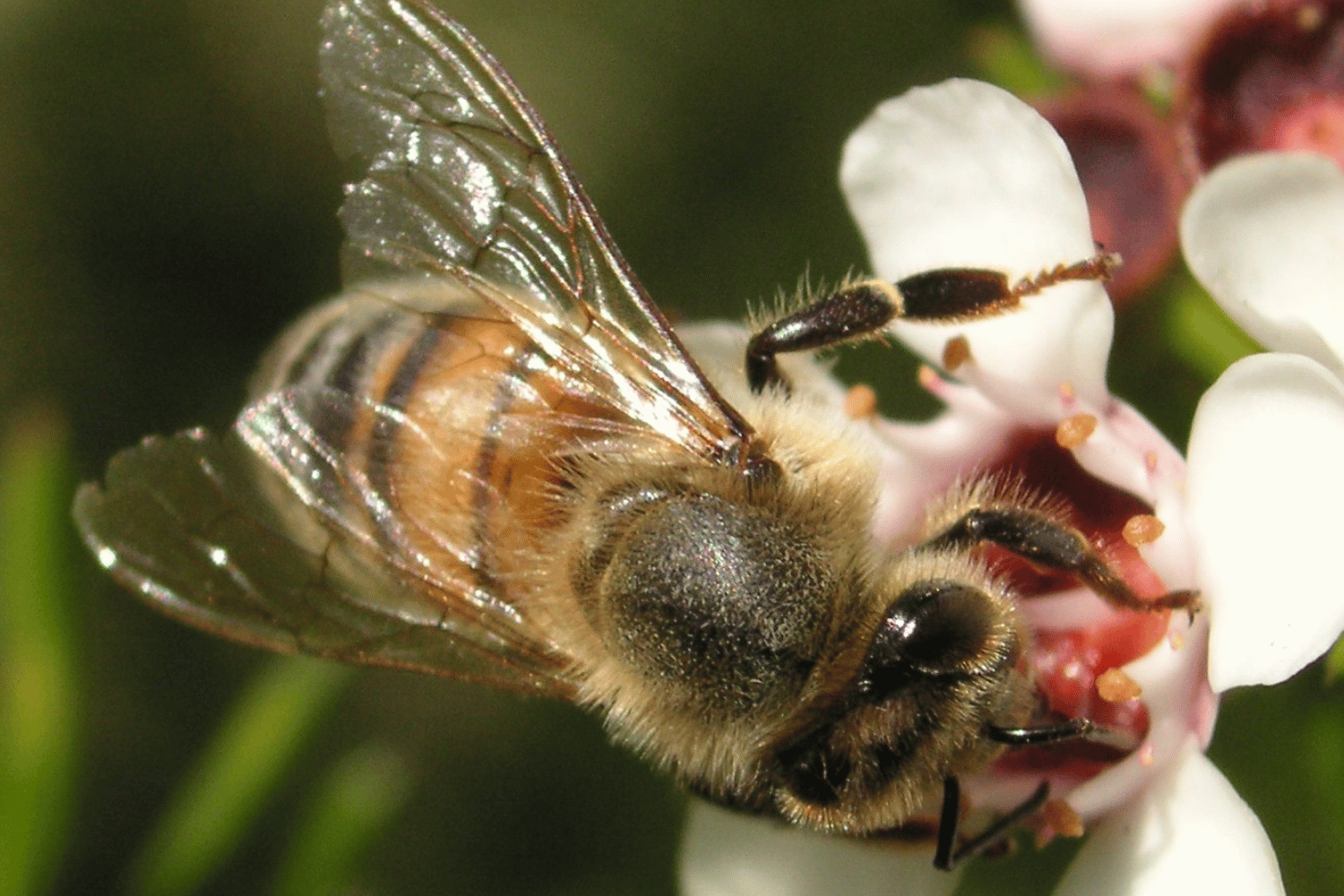
The Philippine giant honey bee builds exposed combs high in forest canopies and pollinates native trees across long foraging distances. Photo from Wikipedia / Website
High above the Philippine forest canopy, thousands of giant honey bees gather around a massive, exposed honeycomb. These are the pukyutan, among the country’s most remarkable native pollinators. Yet the destruction of their habitat threatens not only their survival but also the ecosystems that depend on them.
Scientifically known as Apis dorsata breviligula, the Philippine giant honey bee can grow nearly two centimeters long. Unlike domesticated honey bees, pukyutan build enormous hanging combs on tall trees and other elevated structures. Their colonies migrate in search of flowering plants.
But their greatest contribution is not honey. It is keeping nature alive.
Why pukyutan matter
Forest regeneration. By transferring pollen between flowers, pukyutan help native trees and other forest plants reproduce. Their ability to forage across considerable distances makes them valuable contributors to forest biodiversity.
Food security. Wild bees pollinate flowering plants, including some agricultural crops. Protecting them helps maintain healthy ecosystems that support food production.
Wildlife survival. Pollination produces fruits and seeds that sustain birds, mammals, and other forest animals. Fewer pollinators could mean less food for wildlife.
Healthy watersheds. By supporting forest regeneration, pukyutan indirectly contribute to ecosystems that protect soil, regulate water flow, and reduce erosion.
Indigenous livelihoods. Their prized wild honey provides food and income for forest communities. Responsible harvesting also helps preserve traditional ecological knowledge.
Threats before extinction
Pukyutan are not officially classified as endangered, and reliable Philippine population estimates remain limited. But deforestation, destructive honey harvesting, pesticide exposure, and habitat fragmentation pose serious threats.
Protecting nesting trees, preserving flowering habitats, reducing harmful pesticide use, and promoting sustainable honey collection can help safeguard their future.
We should not wait for pukyutan to appear on an endangered species list before acting.
Because when we protect these giant bees, we protect something far more valuable than honey: the forests, food systems, and biodiversity that sustain life.