Formalizing informal waste collection networks plays a huge role in building an inclusive circular economy.
The Philippines wants companies to recover more plastic packaging. As businesses work toward their recovery targets, the people already doing much of the work deserve a bigger place in the country’s recycling economy.
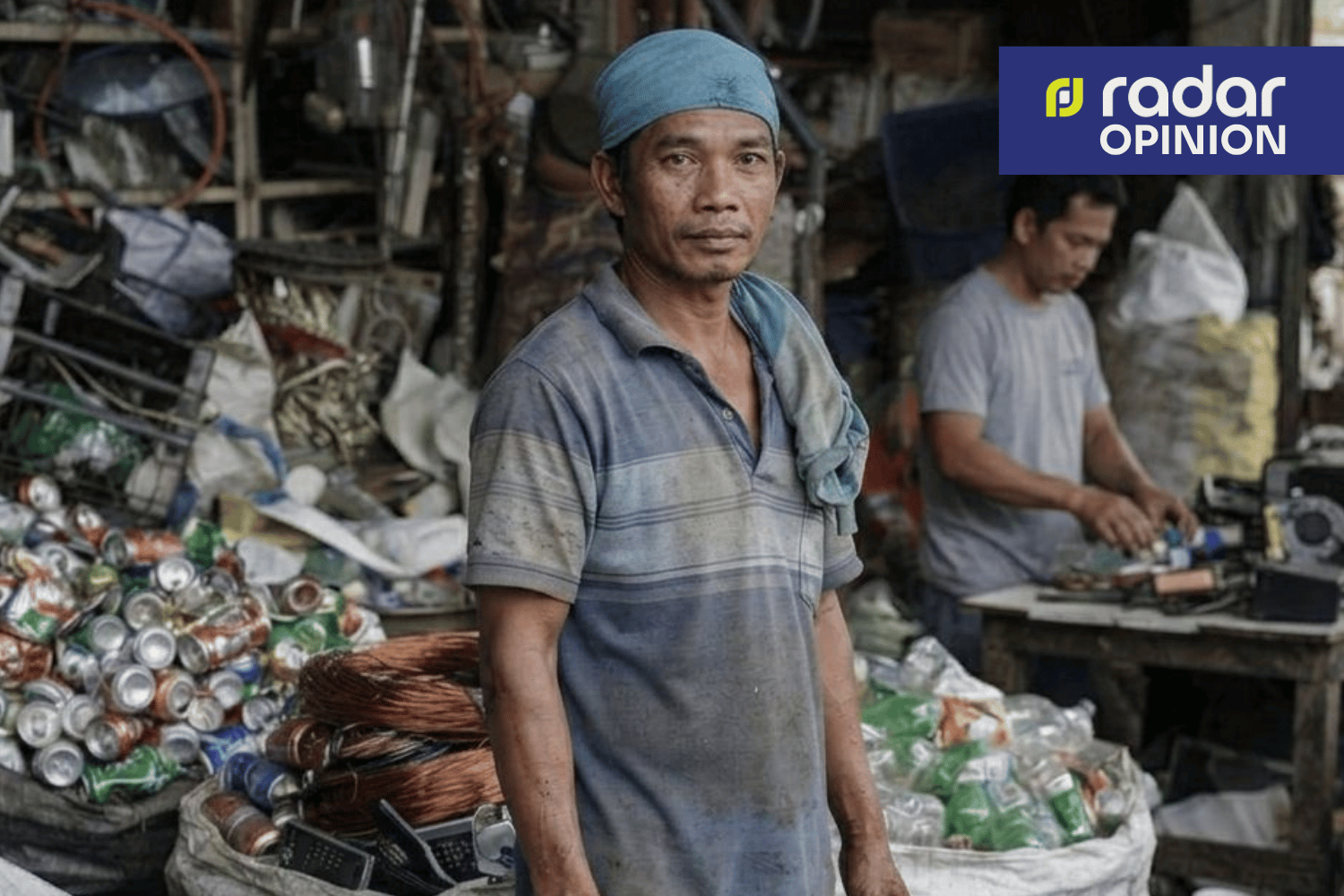
Waste collectors and junk shop owners help keep recyclable materials moving through the economy. They gather discarded plastic and sell what can be recovered, earning income that helps support their families. Their work also supplies materials to businesses that can put them back into circulation.
At a recent Plastic Bank event, Dawn Cabigon of the European Chamber of Commerce of the Philippines said the informal waste sector accounts for as much as 60% of recyclable materials recovered in Metro Manila. The figure underscores the importance of workers who often operate outside formal waste management structures, although it still needs independent verification.
Research published in Applied Environmental Research in 2024 examined 33 junk shops in Iloilo City. The study found that these businesses collectively recovered about 1,585 metric tons of recyclable materials per month, with an estimated industry value of $338,400. The figures cover multiple materials, including paper, plastics and metals. The researchers said greater recognition and support for junk shops could strengthen waste management and resource recovery.
Yet the country’s plastic recovery efforts can overlook the people and small businesses already doing this work. Their exclusion can take practical forms. Informal collectors may be missing from official recovery data, while junk shops can lack formal recognition and representation in local waste management planning. They can also have limited access to the funding, equipment and organized collection arrangements needed to grow their operations.
Meanwhile, the Extended Producer Responsibility (EPR) Act requires covered companies to recover or offset 60% of their plastic packaging footprint in 2026, rising to 80% in 2028. Meeting these obligations requires functioning collection networks and reliable supplies of recyclable materials. Informal collectors and junk shops are already part of that infrastructure.
Giving plastic economic value
Plastic Bank, a social enterprise that helps communities earn income by collecting discarded plastic for recycling, was founded by David Katz, who framed the organization’s approach around a simple question. “What if plastic was money for the world?”
The idea is to give discarded plastic economic value. But if that value helps drive recovery, the people who collect and sort the material should have a fair chance to benefit beyond the immediate proceeds of selling it. That could mean more reliable access to buyers, better prices where the market allows, safer working conditions and opportunities to participate in recovery programs funded by companies meeting their EPR obligations.
Companies and producer responsibility organizations can work with existing collectors and junk shops instead of building systems that overlook them. Local governments can help strengthen these networks through formal recognition, better representation in waste planning and access to resources. These partnerships could also give businesses a more dependable supply of recyclable materials while allowing existing recovery operators to participate in a larger, more organized market.
EPR success should be measured by more than the volume of packaging recovered. It should also include whether the systems behind those numbers create better opportunities for the people doing the work.
A circular economy should keep materials in use and create value from waste. It should also give the people making that possible a fair chance to share in that value.
That’s the point.
READ: