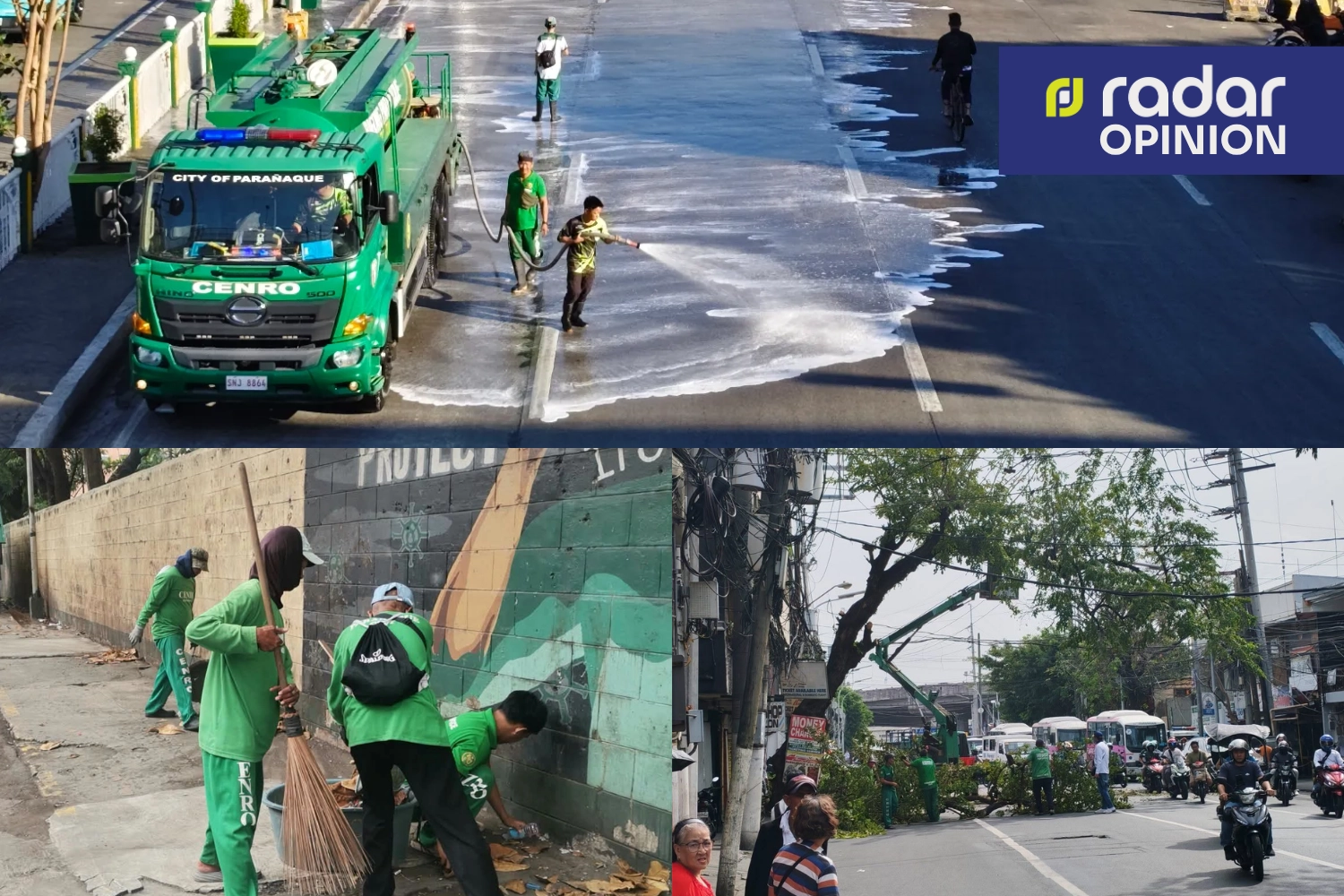
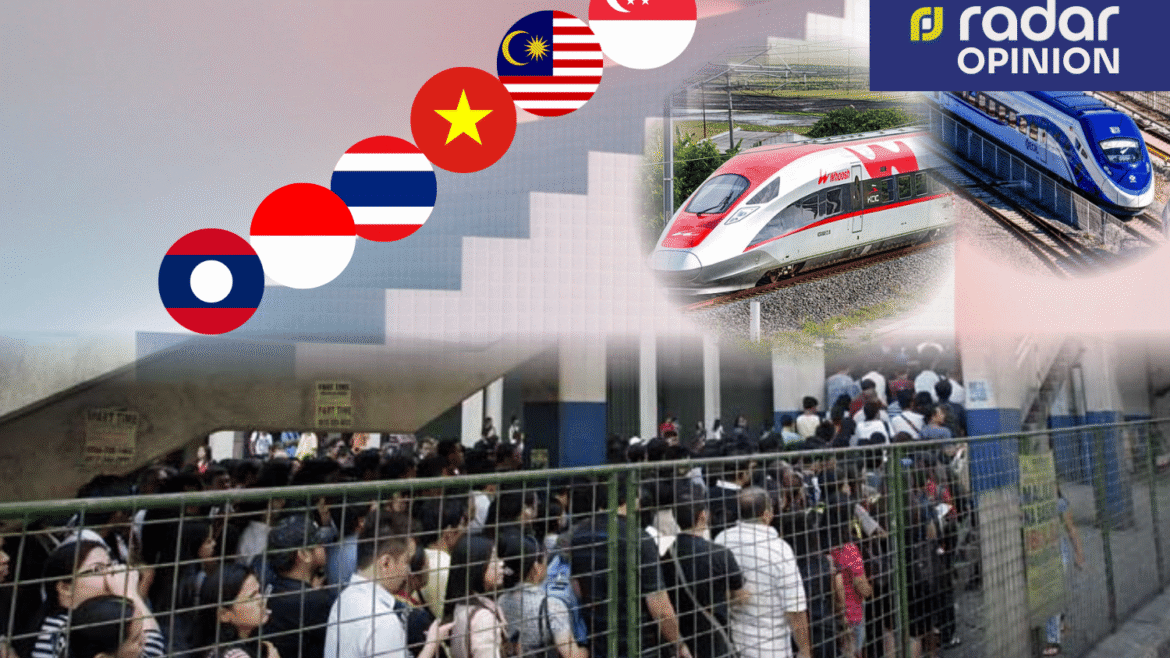
Freshly washed roads, cleared sidewalks, and streets free of vendors have made parts of Metro Manila look noticeably different ahead of the arrival of foreign dignitaries for the 49th ASEAN Summit in Pasay City.
But the sudden transformation is hard to miss, leaving many Filipinos wondering why the government can maintain these standards for visiting dignitaries but struggles to do the same on ordinary days.
There is nothing wrong with cleaning public spaces ahead of an international event. Hosting foreign leaders requires preparation, and visitors should be welcomed to a city that is safe, orderly, and presentable.
The problem is when these efforts appear to happen with greater urgency only because foreign dignitaries are expected to pass through the same streets that residents use every day.
Clean roads should not depend on whether cameras, visiting officials, or international delegations are nearby. Pedestrians deserve unobstructed sidewalks, commuters deserve orderly roads, and residents deserve clean surroundings regardless of who is visiting the country.
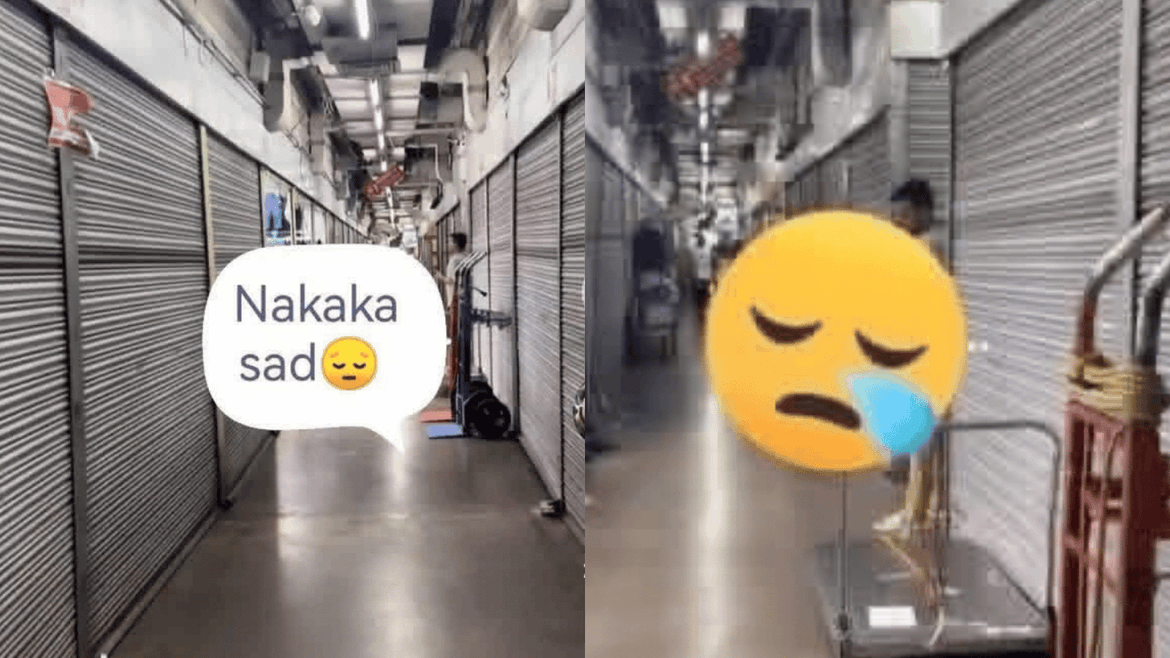
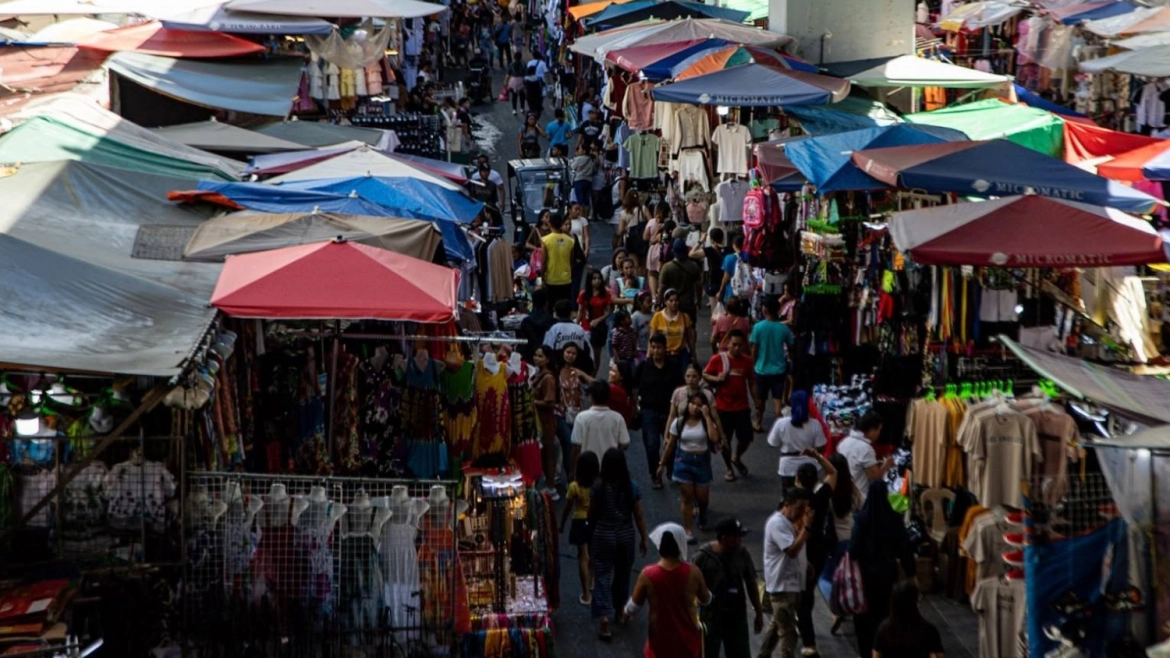
The clearing operations also affect people whose livelihoods depend on the spaces being reorganized.
In a November 8 statement, the Parañaque City government said ambulant vendors would be temporarily prohibited from operating along Roxas Boulevard and its service road, Redemptorist Road up to Quirino Avenue, and underneath the LRT-1 from November 2 to 20.
The city said vendors had been informed beforehand and could return to their locations after the summit, provided they maintained order. It also explained that vendors were temporarily allowed to occupy certain areas in Baclaran while construction of the permanent Baclaran Gateway Market is pending.
While the restriction is temporary, affected vendors still lose access to their usual sources of income for nearly three weeks.
Public roads and sidewalks must remain accessible, and local governments have a responsibility to enforce regulations. However, clearing operations should also consider the livelihoods of those who depend on informal vending to support their families.
The ASEAN Summit will eventually end, and foreign dignitaries will return to their respective countries. The streets, however, will remain part of the daily lives of Filipinos.
Authorities should carry the same urgency into their everyday work, keeping roads clean, sidewalks accessible, and public spaces orderly even after the international delegates have left.
Filipinos should not have to wait for an international gathering to see these basic conditions maintained.